Walking Safari Kenya: A Complete Guide to Guided Bush Walks
A walking safari in Kenya transforms traditional game drives into active, ground-level wildlife participation. Travelers leave vehicles behind and experience tracks, bird calls, and animal scents directly in the bush. This creates a deeper and more immersive connection with Africa’s natural environment.
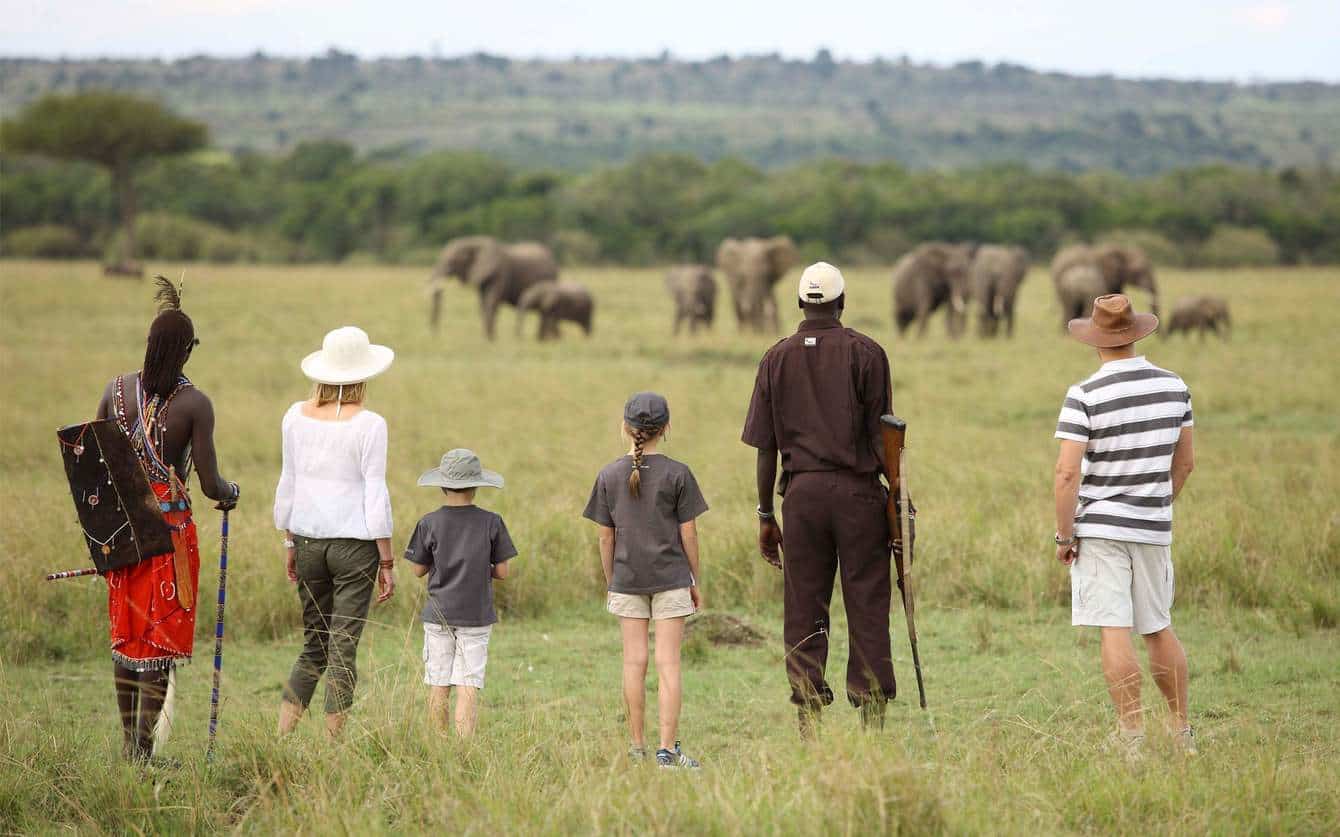
All walking safaris operate under armed ranger or certified professional guide supervision. Self-guided walking in wildlife areas is strictly prohibited across Kenya’s safari destinations. Before each walk, guides provide safety instructions, behavioral rules, and movement procedures.
African Wild Trekkers includes walking safaris in Maasai Mara, Laikipia, Samburu, and Tsavo itineraries. Each walk is matched carefully to guest fitness level and wildlife interest.
What to Expect on a Guided Bush Walk
The Pre-Walk Safety Briefing
Every Kenya walking safari begins with a mandatory safety briefing from the ranger. The briefing covers wildlife behavior, group formation, and emergency response procedures. Guests learn silent communication signals used during bush movement and wildlife encounters.
If an elephant is encountered, guests must freeze and follow ranger instructions immediately. Sudden movement or noise can trigger defensive wildlife reactions in close encounters. Therefore, discipline and group cohesion are essential for safety during bush walks.
The armed ranger carries a rifle for last-resort protection only. However, most encounters are managed through positioning and non-violent wildlife avoidance. In practice, rifle use is extremely rare during professional walking safaris.
Wildlife Encounters During Bush Walks
Walking safaris shift focus from large predators to smaller ecological details. Tracks, insects, birds, and plants become key elements of the safari experience. Guides interpret animal signs, scat, and vegetation patterns throughout the walk.
This creates a deeper understanding of ecosystem interactions across the landscape. Guests also learn traditional Maasai and Samburu uses of native plants. For example, medicinal plants, resins, and food sources are explained in context.
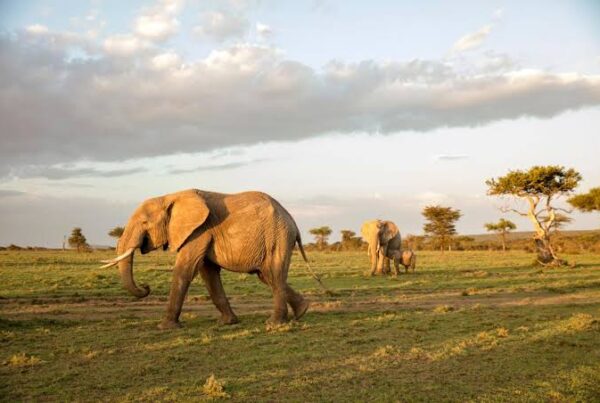
Large animals such as elephants and buffalo are viewed at safe distances. The emotional intensity increases because no vehicle barrier exists between guest and wildlife. However, guides maintain strict positioning to ensure safe observation at all times.
Best Kenya Destinations for Walking Safaris
Laikipia Conservancies and Ol Pejeta
Laikipia offers Kenya’s most diverse walking safari terrain and ecosystems. Walks move through grasslands, rocky hills, and riverine forest environments. This diversity allows varied wildlife and plant encounters within short distances.
Ol Pejeta Conservancy offers rhino tracking and guided ecological walks. Laikipia also occasionally produces encounters with predators during bush walks. Ol Malo provides longer walking safaris led by highly experienced local guides.
These walks combine cultural knowledge with deep ecological interpretation. As a result, Laikipia offers some of Kenya’s most immersive walking experiences.
Samburu Riverine Walking Safaris
Samburu walking safaris follow the Ewaso Ng’iro River through dense vegetation. This creates close-range encounters with elephants, crocodiles, and riverine birdlife. Visibility is limited, which increases the intensity of wildlife encounters.
Local Samburu guides lead walks using deep ancestral ecological knowledge. Every tree, water source, and terrain feature carries cultural significance. Elephant encounters require careful reading of behavior and immediate ranger response.
Maasai Mara Conservancy Bush Walks
Maasai Mara conservancies offer walking safaris in low-traffic wildlife zones. These areas have minimal vehicle disturbance and more natural animal behavior. As a result, wildlife encounters feel more authentic and less habituated.
Common sightings include giraffes, zebras, warthogs, and smaller predators. Occasionally, lion or leopard encounters occur at close but safe distances. Evening camp walks reveal nocturnal species such as bush babies and genets. African Wild Trekkers ensures all walking safaris take place in genuine conservancy zones.
Plan Your Safari
Walking safaris must be arranged in advance with qualified ranger teams. Some conservancies limit daily walking permits to protect wildlife and safety conditions. Therefore, early booking ensures access to the best walking safari locations.
African Wild Trekkers includes walking safaris in fully planned Kenya itineraries. Each package includes conservancy fees, ranger services, and combined game drives. We match walking routes to guests fitness levels and safari expectations.
Contact African Wild Trekkers at africanwildtrekkers.com/contact with your travel dates.
We will confirm walking safari availability and design your itinerary within 24 hours.