Kenya’s Food Culture: An Introduction
Understanding Kenyan Cuisine
The Foundations of Kenyan Food
Kenyan Food and Culinary Experiences
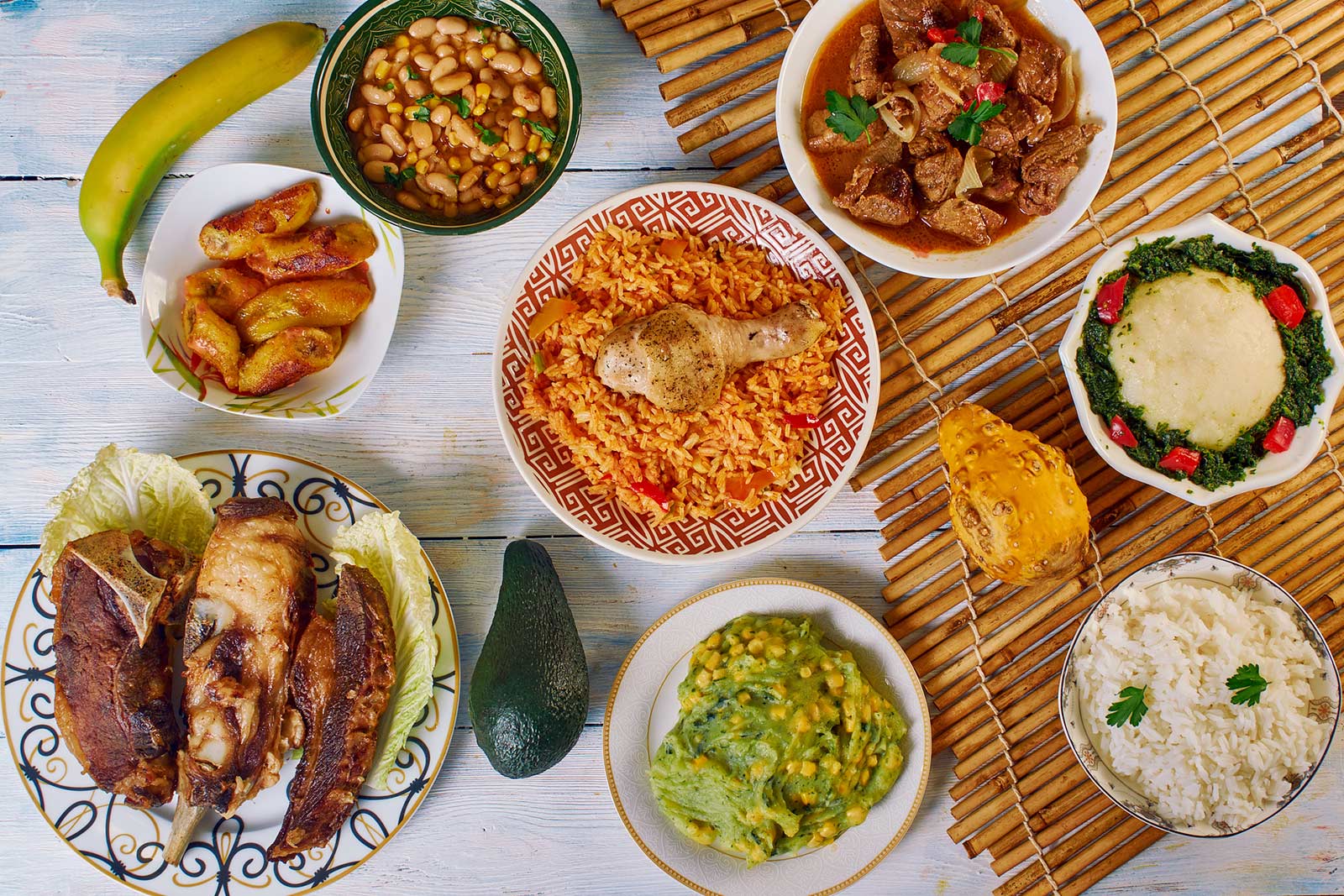
Kenyan cuisine blends agricultural traditions, pastoral heritage, and coastal influences into a rich and diverse food culture. Staple ingredients include maize, beans, root vegetables, and leafy greens, while pastoral communities contribute dairy and meat traditions. Centuries of Indian Ocean trade introduced spices that transformed coastal cooking. As a result, each region has developed its own culinary identity. The Rift Valley and central highlands are famous for **nyama choma; the Swahili Coast specializes in seafood and aromatic rice dishes; western Kenya favors millet and sorghum recipes; and the Maasai continue to preserve traditional fermented milk customs.
Nairobi brings these regional traditions together with Indian, Ethiopian, and international influences. Today, the city ranks among East Africa’s most exciting food destinations. Safari camps have also elevated bush dining by serving carefully prepared meals using fresh local ingredients. Many lodges source vegetables from nearby farms and fish from the Rift Valley lakes, creating menus that combine authentic Kenyan flavors with international cuisine.
Essential Kenyan Dishes Every Visitor Should Try
Every visitor should experience **ugali**, Kenya’s most important staple food. Cooks prepare it by stirring maize flour into a thick, firm porridge that accompanies many traditional meals. Most Kenyans eat **ugali** by hand, shaping small portions before dipping them into stews or vegetables. The most common accompaniment is **sukuma wiki**, a simple dish of sautéed kale cooked with onions and tomatoes. Restaurants usually serve this combination with beef stew, roasted chicken, or fried fish, making it one of the country’s most popular everyday meals.
Another iconic Kenyan dish is **nyama choma**, which represents the country’s social dining culture. Goat remains the preferred meat, although beef and chicken are also widely available. Chefs slowly roast the meat over hardwood charcoal until it becomes tender with a lightly charred exterior. Restaurants typically serve it with **kachumbari**, a fresh salad of tomatoes, onions, coriander, and lemon juice. Travelers looking for an authentic experience should visit dedicated **nyama choma** restaurants instead of tourist-focused establishments.
Regional Food Traditions Across Kenya
Swahili Coast Cuisine
The Swahili Coast, stretching from Mombasa through Diani Beach to Lamu, preserves one of East Africa’s oldest culinary traditions. For centuries, traders introduced spices such as cloves, cardamom, cinnamon, cumin, and chili, which blended naturally with local seafood, coconut, and rice. One of the region’s best-known dishes is **pilau**, a fragrant rice meal cooked with meat and aromatic spices in a single pot. **Biriani** offers an even richer experience by layering saffron-colored rice with slow-cooked meat, roasted nuts, and caramelized onions.
Fresh seafood defines coastal dining. Restaurants serve grilled lobster, king prawns, octopus, and whole snapper within hours of the daily catch. Many chefs prepare these dishes using coconut milk, tamarind, and local spices that highlight the freshness of the seafood. Visitors interested in the best coastal meals should ask for the day’s fresh catch instead of ordering from a fixed menu.
## Nairobi’s Restaurant Scene
Nairobi has developed into one of Africa’s most diverse culinary cities. Neighborhoods such as Westlands, Kilimani, and Karen feature excellent independent restaurants serving cuisine from across Africa and around the world. Ethiopian restaurants offer traditional **injera** with richly flavored meat and vegetable stews, while Indian restaurants reflect Kenya’s long history of South Asian settlement and continue to produce exceptional cuisine.
Carnivore Restaurant remains Nairobi’s most famous dining attraction. Guests enjoy unlimited servings of roasted meats carved directly at their tables until they signal that they have finished. Although the meat selection changes according to legal regulations, the restaurant continues to attract first-time visitors seeking a memorable Kenyan dining experience. Other highly regarded restaurants include Talisman in Karen for contemporary African cuisine, Brew Bistro in Westlands for craft beer and modern comfort food, and several rooftop restaurants along Ngong Road.
Safari Camp and Lodge Cuisine
Luxury safari camps have transformed dining into an essential part of the safari experience. Camps such as Governors’ Il Moran serve elegant candlelit dinners overlooking the Mara River, where guests often hear hippos while enjoying dinner. Angama Mara bakes fresh sourdough bread daily, grows herbs in its own kitchen garden, and prepares local ingredients such as Maasai honey, highland avocados, and Nile perch using refined cooking techniques.
Bush breakfasts remain one of Kenya’s most memorable safari traditions. After an early morning game drive, staff prepare breakfast in a scenic wilderness location surrounded by spectacular landscapes. Guests often enjoy fresh coffee, fruit, pastries, and cooked breakfasts while watching wildlife nearby. Most safari camps happily arrange bush breakfasts with advance notice, making them one of the highlights of a Kenyan safari.
Practical Food Information for Kenya Visitors
Visitors should drink bottled or filtered water throughout their stay and avoid tap water for drinking or brushing their teeth. Safari camps routinely provide safe drinking water, while busy restaurants and reputable street vendors generally serve freshly prepared meals safely. Travelers should avoid raw vegetables and unpeeled fruit from street stalls to reduce the risk of stomach illness.
Kenya now accommodates a wide variety of dietary requirements. Most safari lodges and city restaurants prepare vegetarian, vegan, gluten-free, and halal meals when guests provide advance notice. Traditional Kenyan cuisine also contains less wheat than many Western diets, making gluten-free dining easier in many situations.
Plan Your Safari
A well-planned Kenya safari combines outstanding wildlife with unforgettable culinary experiences. Travelers can enjoy authentic **nyama choma** in Nairobi, fresh seafood along the Swahili Coast, and memorable bush breakfasts in the Maasai Mara. African Wild Trekkers helps guests include these experiences within their itineraries by recommending trusted restaurants, arranging special dining experiences, and communicating dietary requirements before arrival. This careful planning allows every traveler to experience Kenya’s remarkable wildlife alongside its equally impressive culinary heritage.
Contact African Wild Trekkers at africanwildtrekkers.com/contact with your travel dates and dietary requirements, and we will design your Kenya itinerary with food experiences included within 24 hours.