Lake Baringo: Kenya’s Remote Birding Lake
Why Lake Baringo Stands Apart
A Freshwater Lake at the Edge of the Northern Frontier
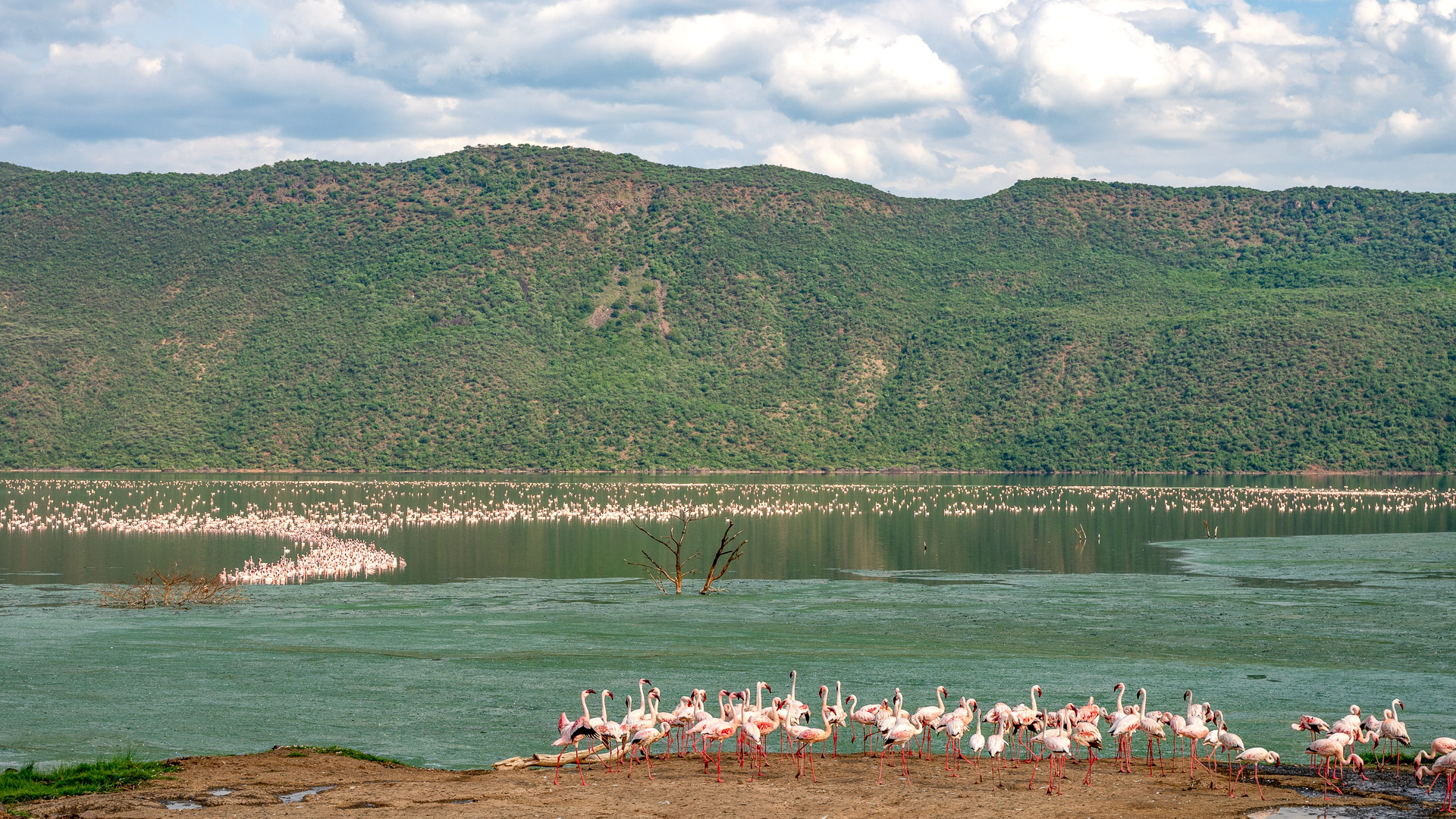
Lake Baringo sits at the northern end of Kenya’s developed Rift Valley tourist circuit, approximately 280 kilometres from Nairobi and 110 kilometres north of Lake Nakuru. The landscape here transitions from highland savanna into the arid acacia scrubland of the Northern Frontier District. Unlike the soda lakes to its south, Baringo is a freshwater lake fed by the Molo and Perkerra rivers, with a brown, silt-laden appearance caused by erosion of the surrounding hills rather than alkaline chemistry. The lake covers approximately 130 square kilometres and occupies a wide, open valley rimmed by the Tugen Hills to the west and the Laikipia escarpment to the east — a setting that feels distinctly remote and unhurried compared to the busier lakes closer to Nairobi.
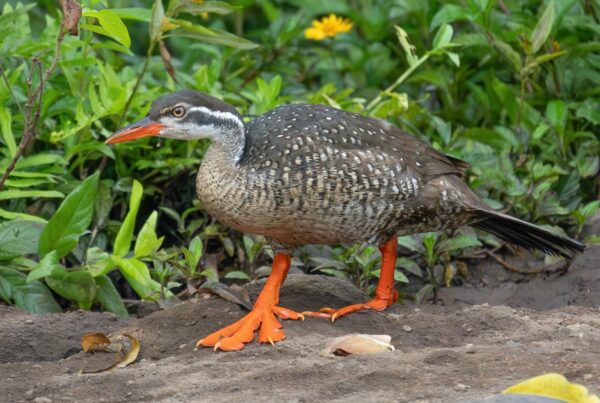
The lake’s isolation and freshwater character support a bird list that exceeds 470 species — one of the highest counts for a single location anywhere in Kenya and a figure that places Baringo among East Africa’s premier birding destinations. This exceptional diversity reflects the lake’s position at the confluence of multiple biogeographical zones, where highland species, savanna birds, semi-arid specialists, and Rift Valley waterbirds overlap in a single compact area.
Nile Crocodiles and Hippos at Baringo
Lake Baringo supports one of Kenya’s largest populations of Nile crocodiles — enormous reptiles that haul out on the lake’s sandy beaches and rocky margins in numbers that make them unmissable from the shore or from a boat. The crocodiles at Baringo have become partially habituated to the presence of boats and guides who operate daily trips on the lake. Encounters from within a few metres of basking individuals several metres in length rank among the most visceral wildlife experiences the rift offers. Guides position boats below sun-exposed banks where crocodiles aggregate in groups of a dozen or more during the cooler morning hours, allowing close photographs of animals whose size becomes genuinely impressive at proximity.
Hippo populations at Baringo concentrate in the shallower southern waters and around the edges of Ol Kokwe Island — the large volcanic island at the lake’s centre. The hippos at Baringo receive far fewer visitors than those at Naivasha and behave with the wariness that follows less habituation. Approaching groups requires a slower, more careful technique from experienced boatmen who read the pod’s body language before moving close. This wariness makes a successful close encounter feel more earned and more genuinely wild than the predictable photo opportunities at more visited lakes.
Activities at Lake Baringo
Boat Trips and Island Visits
Boat trips from the main lodge jetties on Baringo’s eastern shore operate in both morning and afternoon to cover the lake’s birding and wildlife hotspots. A morning trip covers the papyrus beds on the lake’s southern end for Goliath herons, African darters, and various kingfisher species before moving through the open water to the crocodile beaches and hippo pools around Ol Kokwe Island. The African fish eagle at Baringo performs to boat captains who know the birds personally and whistle to call them down for fish thrown into the water — a staged interaction that nevertheless delivers one of the most dramatic bird-in-flight photographs available anywhere in Kenya when timed with the boat positioned at the correct angle.
Ol Kokwe Island visits allow landing and walking through the island’s Njemps community village, where residents fish and farm using traditional methods on land occupied continuously for generations. The community welcomes visitors who book through the main lodges and offers guided cultural demonstrations of net fishing, canoe building, and traditional cooking that provide a human dimension to Baringo’s experience absent from purely wildlife-focused lake visits. The island also shelters a hot spring accessible on foot from the landing point, combining volcanic activity, cultural encounter, and wildlife viewing within a single boat trip.
Birding on Shore and in the Surrounding Hills
Shore birding along the lodge grounds at Baringo rewards patience with species rarely seen elsewhere in Kenya. Bristle-crowned starling and Jackson’s hornbill visit the lodge gardens at Roberts’ Camp and Lake Baringo Club in a setting that requires no boat or transport to access. Guided walks through the scrub behind the lodges produce Hemprich’s hornbill, White-crested turaco, and Baringo’s resident special — the Verreaux’s eagle pair that breeds in the escarpment cliffs above the lake’s western shore.
Early morning birding along the lake shore between 06:00 and 08:30 delivers the highest activity levels as overnight roosting birds leave their perches and begin feeding in the papyrus margins, acacia scrub, and rocky beach areas. The Perkerra River mouth on the southern shore concentrates wading birds including three species of plover, various sandpipers, and occasional vagrant shorebirds during the northern migration season from September through November. Serious birders who spend two nights at Baringo can realistically add 80 to 100 species to their Kenya trip list, including several species unavailable elsewhere in the country’s more frequently visited destinations.
Rock Climbing and Bush Walks in the Tugen Hills
The Tugen Hills rising to the west of Lake Baringo form the western wall of the rift and provide spectacular views over the lake from altitudes of 2,500 metres. Guides from the lakeshore lodges lead half-day walks into the lower hills through acacia-commiphora bush that shelters Beisa oryx, lesser kudu, and gerenuk — northern specialist antelopes whose range barely extends into Kenya’s more southerly parks. These walks combine landscape photography from elevated positions with wildlife encounters in terrain too rough for vehicles, transforming Baringo from a one-note lake visit into a multi-layered landscape experience.
Rock outcrops around the lake’s immediate shore provide day-time roost sites for small crocodiles and basking monitor lizards that guides approach on foot during morning bush walks. The tracks connecting the main lodges pass through grassland where Defassa waterbuck, impala, and olive baboon troops move between the lakeshore vegetation and the drier scrubland inland. These species are visible on foot within minutes of leaving the lodge grounds rather than requiring vehicle drives to locate. The combination of walking, boat, and cultural activities at Baringo justifies a two-night minimum stay that allows each activity sufficient time and the best light conditions for photography.
Getting to Lake Baringo and Practical Information
Access and Logistics
Road and Air Access to Baringo
The drive from Nairobi to Lake Baringo covers approximately 280 kilometres and takes four to five hours on the main Nairobi–Nakuru highway and then the well-surfaced road north through Nakuru and Mogotio to the lake. The road from Nakuru north is surfaced for most of its length but has sections that deteriorate during the long rains, and a four-wheel-drive vehicle provides additional confidence on the last 15 kilometres approaching the lake. A charter flight from Nairobi’s Wilson Airport to Baringo’s grass airstrip covers the distance in under an hour and eliminates the road journey entirely for travellers combining Baringo with other fly-in destinations in northern Kenya or Laikipia.
Combining Lake Baringo with Lake Bogoria to the south creates a two-lake rift valley itinerary that covers both the flamingo spectacle and the northern birding specialist experience within a two to three-day circuit beginning and ending at Nakuru. The distance between Bogoria and Baringo covers approximately 80 kilometres on roads ranging from surfaced to well-maintained gravel, passable in any saloon vehicle in dry conditions. This north-south rift valley routing suits travellers who want to move beyond the Naivasha–Nakuru axis that most Kenya itineraries cover and explore the less-visited northern rift.
Plan Your Safari
Lake Baringo’s combination of birding, crocodile encounters, hippo viewing, and cultural island visits works best within a two or three-night stay that allows morning and afternoon activity across multiple days. Booking through a specialist Kenya operator ensures that boat guides with genuine bird knowledge are allocated rather than general boatmen whose species identification skills may not match the lake’s specialist list. African Wild Trekkers incorporates Baringo into northern Kenya circuits that combine the lake with Samburu, Laikipia, and Bogoria.
The package covers road or air transfers to Baringo, boat trips with specialist birding guides, island visits, guided shore walks, accommodation at the lakeshore lodges, and connection to the next destination in the northern circuit. Baringo’s full species list and the specific target birds for your itinerary are discussed before travel so that every activity focuses on the species you most want to see.
Contact African Wild Trekkers at africanwildtrekkers.com/contact with your travel dates and birding interests and we will design your Lake Baringo itinerary within 24 hours.