Lake Naivasha: Kenya’s Most Accessible Safari Destination
What Makes Lake Naivasha Special
A Freshwater Oasis in the Rift Valley
Lake Naivasha sits 1,884 metres above sea level in Kenya’s Great Rift Valley and sustains a freshwater ecosystem that stands in complete contrast to the alkaline soda lakes that characterise most of the valley’s other water bodies. The lake covers approximately 150 square kilometres during wet periods, with fluctuating water levels driven by annual rainfall variation that have altered the lake’s shoreline dramatically over the past century. This freshwater chemistry supports an aquatic ecosystem that includes large fish populations, extensive papyrus swamps along the northern and eastern shores, and yellow fever tree forests around the southern margins that shelter colobus monkeys, water birds, and terrestrial wildlife year-round. The lake’s biodiversity and proximity to Nairobi — just 90 kilometres on a well-surfaced highway — make it the most visited freshwater destination in East Africa.
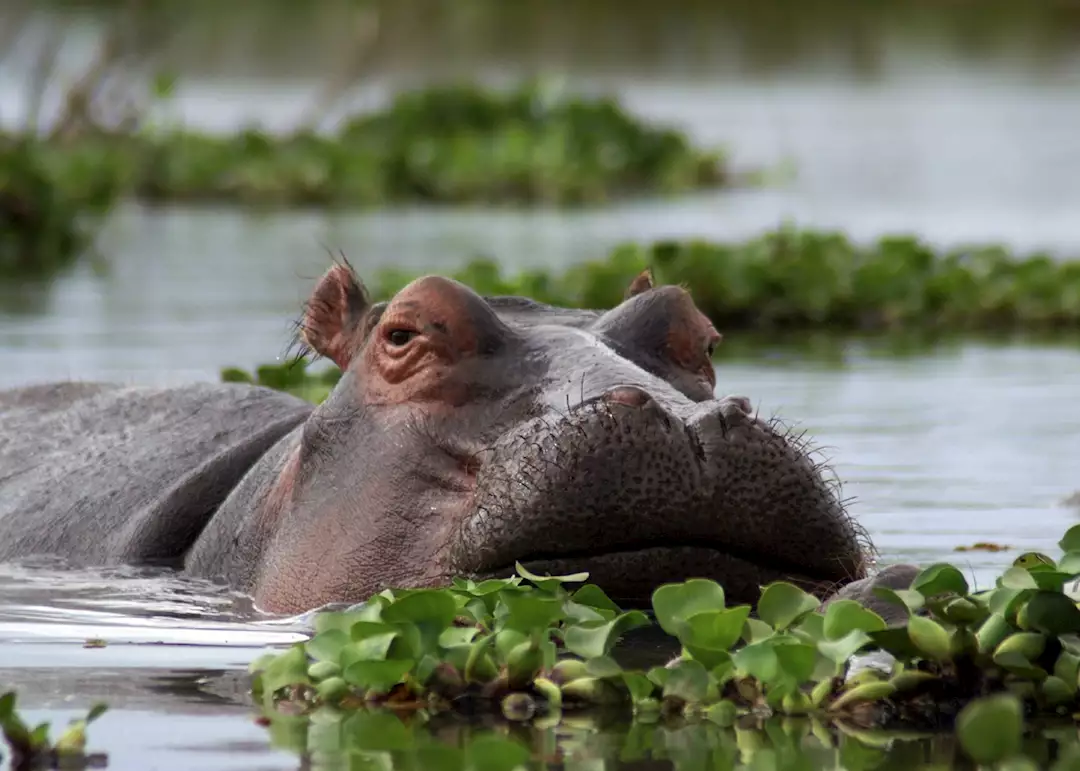
The lake’s hippo population numbers in the hundreds and remains one of the most visible and photographically reliable in Kenya. Hippos occupy the shallow water and reed margins throughout the day and emerge onto the grassland surrounding the lake after dark to graze, sometimes walking considerable distances from the water before returning at dawn. This terrestrial grazing keeps the lake’s shoreline grassland trimmed low and creates open terrain where olive baboons, zebra, and Defassa waterbuck graze alongside the hippos in a scene more immediately accessible than most Kenya wildlife experiences that require park fees and long drives.
Wildlife Around the Lake
African fish eagles pair permanently at Lake Naivasha and perform their back-tilted calling display from papyrus clumps and dead trees throughout the day, providing one of Kenya’s most reliable wildlife photography opportunities regardless of season. The eagle’s call — a high, cascading cry that carries across the water for several hundred metres — has become the unofficial soundtrack of East African wildlife broadcasting and hearing it echo across the lake at dawn represents one of those sensory experiences that returns travellers to Africa long after they have returned home. Grey-crowned cranes stalk the lake margins in pairs, great white pelicans raft on the open water in groups of dozens, and the papyrus swamps shelter rare Papyrus Yellow Warbler and African Swamphen for birders with patience and a good bird guide.
Colobus monkeys inhabit the yellow fever tree forest on the lake’s south shore in troops visible from the main road running along the shoreline. Their dramatic black-and-white colouring and loud group calls make them easy to locate in the forest canopy, and the fever trees’ yellow bark and spreading canopy create photogenic frames around the monkeys that require no telephoto lens to capture well. Olive baboons troop through the same forest in larger groups and provide the comically boisterous counterpoint to the colobus’s more dignified arboreal lifestyle — both species have become thoroughly accustomed to human presence along the main tourist corridor and allow close approach from vehicles and on foot.
Activities at Lake Naivasha
Boat Trips and Crescent Island
Dawn boat trips on Lake Naivasha rank among Kenya’s most rewarding wildlife experiences for the combination of species they deliver in a short time at an accessible price point. A standard 90-minute boat trip covers the lake’s western shore, the papyrus channels, and the open water approaching Crescent Island, during which experienced boatmen position the vessel for hippo encounters, pelican and cormorant roost sites, and fish eagle perches that are approached quietly enough for close photographs without flushing the birds. The light quality on the water at 06:30 produces golden reflections and saturated colours that midday photography at the same locations cannot achieve — booking the earliest available departure slot delivers substantially better images than waiting until 09:00.
Crescent Island, reached by a short boat crossing from the southern shore, allows a guided walking safari in a landscape completely free of predators that offers a ground-level encounter with giraffe, wildebeest, zebra, Thomson’s gazelle, and eland at distances measured in metres rather than in the tens of metres typical of vehicle-based encounters. Guides on the island understand the behavioural cues that indicate comfort or nervousness in each species and position walkers accordingly to sustain close approach without triggering flight. The walking pace and proximity create photographic opportunities distinct from vehicle safaris — environmental portraits with foreground grasses in focus and wildlife soft-focused behind work particularly well in the island’s open terrain.
Hell’s Gate National Park: Cycling and Geothermal Drama
Hell’s Gate National Park borders the lake’s southern shore and offers Kenya’s most unusual national park experience — visitors cycle or walk through open wildlife habitat among zebras, buffalo, warthogs, and giraffes without the barrier of a vehicle between themselves and the animals. The park takes its name from the dramatic gorge at its southern end, where red volcanic cliffs rise above a geothermal steam field in a landscape that inspired the setting of the animated film The Lion King and that generates an atmosphere unlike any other Kenyan park. Geothermal plants along the gorge extract energy from the volcanic activity below, and the combination of wildlife, geology, and industrial infrastructure in the same view creates a landscape study that wildlife photographers find endlessly interesting.
The cycle route through Hell’s Gate covers approximately 22 kilometres on a well-maintained track from the main Elsa Gate entrance to the gorge and back, passing through open grassland, rocky outcrops, and scattered acacia woodland in terrain that showcases all three of Kenya’s main rift valley vegetation zones within a single morning’s riding. Bicycle hire is available at the gate and from several lodges along the Naivasha shore, with rates that make this one of Kenya’s most affordable activity options. The gorge requires a short descent on foot with a KWS guide and provides close encounters with the volcanic rock columns, ferns, and hot springs in a confined space that feels genuinely wild despite the proximity to the tourist facilities at the gorge entrance.
Accommodation Options at Naivasha
Lake Naivasha’s southern shore road runs between the lake and Hell’s Gate park boundary and concentrates the majority of accommodation options from budget campsites to mid-range lake lodges and a few genuinely luxurious options with private lake frontage. Elsamere Conservation Centre, the former home of Joy Adamson of Born Free fame, operates as both a museum and guesthouse offering a direct connection to Kenya’s most celebrated wildlife conservation story. The property’s afternoon tea draws visitors who combine a documentary screening about Joy and George Adamson with cake and colobus monkey viewing from the veranda — an experience that tells a Kenya conservation story more personally than any guidebook achieves.
Olerai House and Hippo Point provide the lake’s most upmarket accommodation, with private lake frontage, hippo grazing on the lawns at night, and the kind of exclusivity that mid-range properties on the main tourist road cannot offer. These properties suit anniversary or honeymoon travellers who want Naivasha’s wildlife and accessibility without sharing their experience with the larger lodge crowds. Camping at KWS sites within Hell’s Gate allows the most immersive night-time experience at Naivasha — hyenas calling from the gorge and the distant sounds of hippos returning to the water punctuate the darkness in a way that no lodge experience replicates.
Getting to Lake Naivasha
Practical Travel Information
Road Routes and Transfer Options
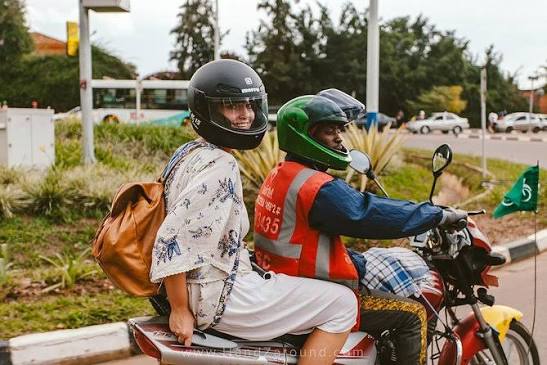
The drive from Nairobi to Naivasha takes 90 to 120 minutes depending on traffic conditions on the Nairobi–Nakuru highway and the volume of trucks ascending the escarpment between Limuru and Mai Mahiu. The highway is well-surfaced throughout and accessible to standard saloon vehicles in dry conditions, though the descent into the rift on the Naivasha side becomes wet and occasionally foggy during the long rains. Matatus operate regular service from Nairobi’s Westlands stage and from the city centre to Naivasha town, where tuk-tuks and boda-bodas connect passengers to the lake shore lodges — a budget option that works well for travellers comfortable navigating Kenya’s public transport system with luggage.
Private transfers from Nairobi cost significantly more than public transport but deliver door-to-door service at a time chosen by the traveller rather than dictated by the matatu schedule. Tour operators organise day trips from Nairobi that combine the escarpment viewpoint stop, a boat trip on the lake, and either Crescent Island walking or Hell’s Gate cycling within a single departure and return — a format that suits travellers with one free day in Nairobi who want a concentrated wildlife experience without an overnight commitment. The round trip from Nairobi covers 180 kilometres and takes approximately three hours of driving spread across the day.
Plan Your Safari
Lake Naivasha’s range of activities — boat trips, island walking, cycling in Hell’s Gate, and colobus viewing — works best when organised in advance so that boat operators, cycling hire, and Crescent Island guides are available at dawn without the queuing and waiting that spontaneous visits encounter during weekends and Kenyan public holidays. African Wild Trekkers arranges Naivasha visits as standalone day trips, overnight breaks, or as the opening segment of a longer Kenya circuit.
The package covers road transfers from Nairobi, dawn boat trip on the lake, Crescent Island guided walk, Hell’s Gate cycling if requested, park fees, and accommodation with lake views. Guides who know Naivasha’s wildlife well accompany every visit so that the identification and behaviour of species encountered on boat and on foot adds depth to the visual experience.
Contact African Wild Trekkers at africanwildtrekkers.com/contact with your Nairobi dates and we will arrange your Lake Naivasha itinerary within 24 hours.