Kenya’s Great Rift Valley: An Introduction
The Geology and Scale of the Rift
How the Rift Valley Was Formed
The Great Rift Valley Overview
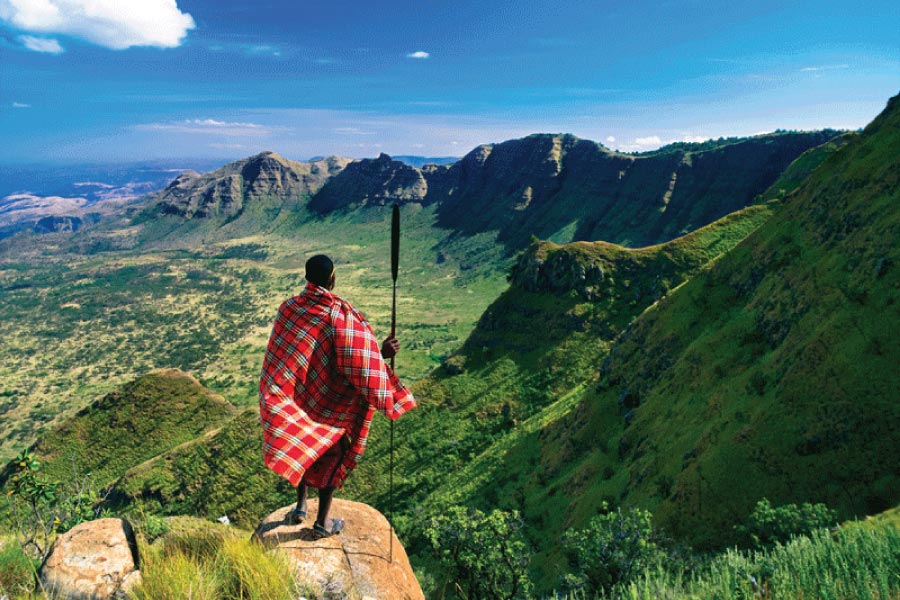
The Great Rift Valley cuts through Kenya from north to south. It forms part of the East African Rift System. This geological system stretches 6,000 kilometers from Ethiopia to Mozambique. In Kenya, steep escarpments drop 600 to 900 meters into the valley floor.
As a result, travelers see one of Africa’s most dramatic landscape transitions from the road. The Limuru and Naivasha escarpments mark the Rift Valley’s eastern wall west of Nairobi. On clear mornings, the valley floor appears vast, ancient, and visually striking. Consequently, geological time feels visible rather than abstract.
The valley contains a chain of lakes, each with unique chemistry and ecology. These include Turkana, Baringo, Bogoria, Nakuru, Elementaita, Naivasha, and Magadi. Additionally, volcanic and tectonic activity continues to shape these water bodies.
Wildlife of the Rift Valley Floor
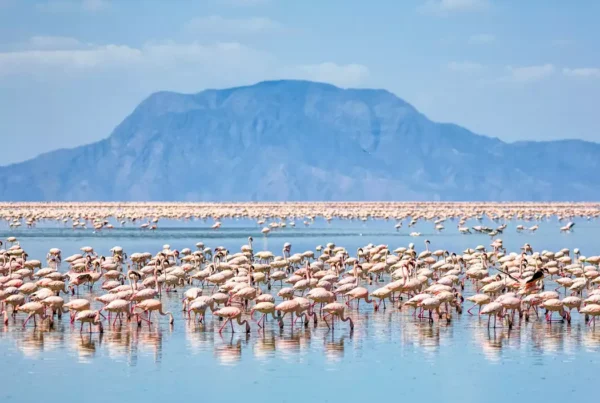
The Rift Valley lakes support concentrated wildlife populations across varied habitats. For example, Lake Nakuru National Park is famous for flamingos and rhinos. Historically, millions of flamingos once covered its surface in pink formations. Although numbers vary, the spectacle remains highly impressive today.
In addition, Nakuru protects Kenya’s strongest rhino populations. Both black and white rhinos thrive within a fenced conservation area. The park also supports Rothschild’s giraffes, lions, leopards, and waterbuck. As a result, visitors often experience a compact Big Five safari.
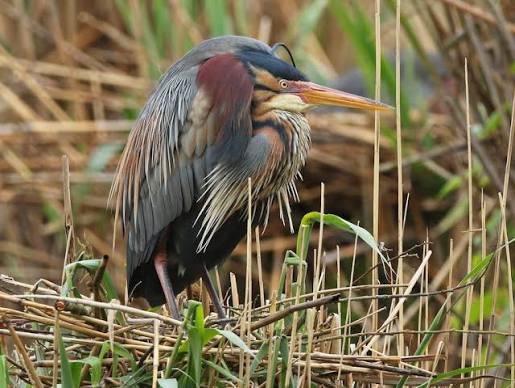
Beyond Nakuru, Rift Valley lakes attract pelicans, storks, and African fish eagles. Between November and April, migratory waterbirds arrive in large numbers. Meanwhile, acacia forests provide shelter for monkeys and nesting birds. Buffaloes and zebras move seasonally between escarpments and valley floors.
The Rift Valley’s Key Destinations
Lake Nakuru and Lake Bogoria
Lake Nakuru National Park lies about 160 kilometers from Nairobi. It combines rhino conservation with excellent birdwatching and Big Five sightings. During morning drives, visitors often see rhinos grazing in open grasslands. They also encounter giraffes feeding in acacia forests and lions resting on rocky hills.
Moreover, the escarpment viewpoint offers a panoramic view of the entire lake. This viewpoint creates one of Kenya’s most photographed Rift Valley scenes.
Lake Bogoria lies further north and hosts massive flamingo populations. At peak conditions, over one million flamingos may gather along its shores. Additionally, hot springs and geysers add geological drama to the landscape. Consequently, Bogoria offers a rare combination of wildlife and geothermal activity.
Lake Naivasha: The Freshwater Exception
Lake Naivasha differs from other Rift Valley lakes due to its freshwater ecosystem. This environment supports fish, aquatic vegetation, and diverse wildlife species. As a result, hippos thrive in large numbers along its shallow shores.
At dawn, boat safaris bring visitors close to hippos and birdlife. African fish eagles dominate the skies with their distinctive calls. In addition, colobus monkeys inhabit nearby yellow fever tree forests.
Crescent Island offers guided walking safaris among giraffes and zebras. Importantly, the island has no predators, making walking safaris safe and immersive. Meanwhile, Hell’s Gate National Park allows cycling and walking through geothermal landscapes. This combination makes Naivasha one of Kenya’s most active destinations.
Accessing the Rift Valley From Nairobi
The Rift Valley lies close to Nairobi, making it highly accessible for short safaris. Lake Naivasha is about 90 kilometers away and takes roughly 90 minutes by road. Lake Nakuru lies further west, adding one to two additional hours of travel.
Therefore, travelers often combine both lakes into a two-night circuit. This route forms one of Kenya’s most popular short safari itineraries. Along the way, the escarpment viewpoints at Mai Mahiu and Longonot offer scenic stops. Additionally, Mount Longonot National Park provides a rewarding crater hike experience.
Planning Your Rift Valley Visit
Seasonal Conditions in the Rift Valley
The Rift Valley offers different experiences depending on season and rainfall patterns. June through October brings dry conditions and excellent visibility. Roads remain accessible, and wildlife viewing conditions are generally stable.
However, flamingo numbers vary depending on lake chemistry and algae levels. Therefore, sightings are not guaranteed in specific months. Naivasha remains the most reliable year-round destination for hippos and birdlife.
The March to May rains create lush green landscapes. However, some park roads may become muddy or difficult to navigate. In contrast, November and December bring lighter rains with fewer disruptions.
Additionally, weekdays offer quieter experiences compared to busy weekends. This is especially important due to Nairobi’s proximity to the region.
Plan Your Safari
A Rift Valley itinerary combines lakes, wildlife, geology, and adventure in a compact region. However, planning improves the experience and ensures smooth travel between destinations.
African Wild Trekkers organizes Rift Valley safaris as short breaks or extended circuits. The package includes park fees, lake activities, accommodation, and transfers between destinations. In addition, guided experiences such as rhino tracking and boat safaris are included where appropriate.
Contact African Wild Trekkers at africanwildtrekkers.com/contact to receive a customized Rift Valley itinerary within 24 hours.