Porini Camps: Kenya’s Conservation-First Safari Operator
What Makes Porini Different
The Porini Conservation Model
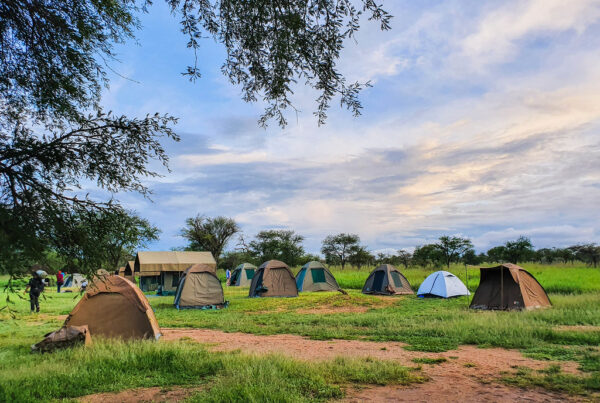
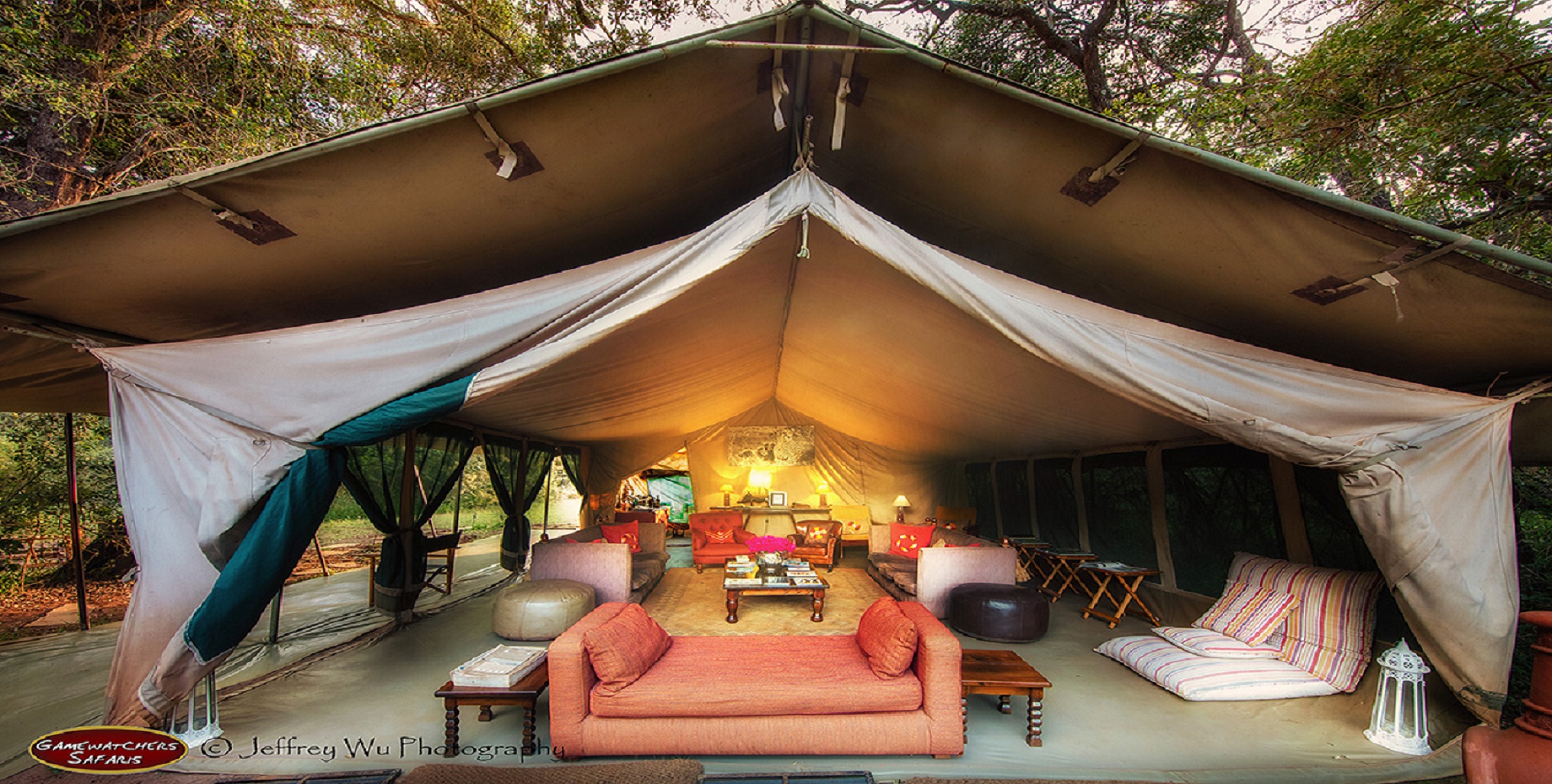
Porini Camps operates a network of small, low-impact tented camps across Kenya’s most important wildlife conservancies. The brand positions itself explicitly as a conservation safari operator rather than a luxury hospitality brand. Each Porini camp operates within a community-owned conservancy under a lease arrangement that directs conservancy fees directly to Maasai or Kamba landowners who maintain their land as wildlife habitat rather than converting it to agriculture. The camps are deliberately small—typically six to twelve tents—which keeps visitor numbers low, minimizes environmental impact, and allows a personalized level of guiding attention that larger properties cannot sustain at the same quality.
This combination of small-scale, community revenue sharing, and conservation focus has established Porini as one of Kenya’s most respected safari operators among travelers who prioritize wildlife and ethics over architectural drama. Gamewatchers Safaris, which owns and operates Porini Camps, established its first conservancy partnership in the 1990s at a time when community-based conservation in Kenya was genuinely experimental rather than proven. The decades of experience this provides translate into conservancy relationships, guide tenure, and wildlife knowledge that newer entrants to the conservation safari market cannot match regardless of their marketing sophistication.
Porini Camps’ Locations Across Kenya
Porini’s camp network covers Kenya’s most significant wildlife ecosystems: Porini Lion Camp in Ol Kinyei Conservancy adjacent to the Maasai Mara National Reserve; Porini Mara Camp in Ol Kinyei’s neighboring territory; Porini Amboseli Camp in Selenkay Conservancy near Amboseli National Park; Porini Rhino Camp at Ol Pejeta Conservancy in Laikipia; and Olare Motorogi Tented Camp in the Olare Motorogi Conservancy immediately north of the Maasai Mara reserve boundary. Each camp occupies a private conservancy that limits vehicles to those serving guests at that specific property, delivering the uncrowded, off-road wildlife access that defines Porini’s appeal compared to national reserve camps surrounded by competitor vehicles.
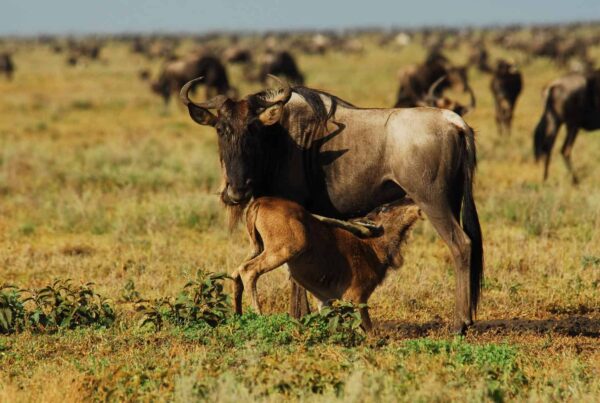
Ol Kinyei Conservancy, where Porini Lion Camp sits, borders the Maasai Mara National Reserve on its eastern side. The conservancy was established through a groundbreaking partnership between Gamewatchers and the Maasai families who own the land. The conservancy’s wildlife receives the full benefit of the Mara ecosystem’s game migrations—wildebeest, zebra, and predators all move freely between the national reserve and the conservancy without fences—while guests experience this wildlife from vehicles with off-road access and without the vehicle concentration that peak season in the national reserve produces.
Wildlife and Guiding at Porini Camps
What to Expect on Game Drives
Game drives at Porini camps benefit from guide tenure that differs fundamentally from the rotation-based guiding most Kenyan lodges practice. Porini guides work in the same conservancy territory for years rather than rotating between properties, building individual recognition of specific lions, cheetahs, elephants, and leopards within their area. A Porini guide at Ol Kinyei who has followed a specific cheetah coalition for three years knows those individuals’ territory, hunting patterns, den sites, and daily routine at a level that allows pre-emptive positioning rather than reactive tracking. This accumulated knowledge translates directly into better sightings — arriving at the right location before the animals arrive rather than after they have moved. Night drives in the conservancy after 18:30 reveal the nocturnal dimension of the ecosystem that national reserve visitors never access.
Civets, genets, spring hares, bush babies, aardvarks, and occasionally serval cats cross the beam of the vehicle’s spotlight in a parade of species absent from daytime sighting lists. Predators active at night—lions stalking in total darkness, leopards descending from carcasses in trees, and hyenas scavenging the kills left by other predators—show behaviors that daytime encounters never include and that require the conservancy’s off-road access to follow safely. A week at Porini Lion Camp that combines dawn drives, midday bush walks, and evening night drives covers the ecosystem’s activity across 24 hours rather than only the daylight portion that national reserve visits allow.
Porini Amboseli and Rhino Camps
Porini Amboseli Camp in Selenkay Conservancy, north of Amboseli National Park, positions guests in a community-managed corridor that elephants use heavily during the dry season when the park’s swamps concentrate with herds moving between water sources. The camp’s location outside the national park means that game drives include movement across open thornbush terrain where elephants from the park’s core population spend significant parts of the day, producing encounters at distances not possible through the national park’s vehicle track network. Walking safaris with a Maasai guide through the conservancy’s open terrain add a completely different experiential register to the conventional vehicle safari, positioning guests on foot among the same wildlife they view from vehicles on the drive.
Porini Rhino Camp at Ol Pejeta Conservancy in Laikipia provides Kenya’s most reliable rhino viewing experience alongside the conservancy’s chimpanzee sanctuary, black and white rhino tracking on foot with rangers, and lion and leopard sightings in the mixed grassland and riverine habitat of the northern rift. Ol Pejeta is the home of the world’s last two northern white rhinos, Najin and Fatu, cared for under 24-hour guard and viewable at close range by safari guests as part of the conservancy’s conservation education program. This combination of wildlife viewing and direct encounter with one of conservation’s most poignant stories creates a Laikipia experience that wildlife-interested travelers specifically seek out rather than stumbling upon as a general safari add-on.
Practical Information for Porini Camps
Booking and What to Expect
Rates, Inclusions and What the Price Covers
Porini Camps’ rates in 2026 range from approximately USD 350 to USD 700 per person per night depending on the camp, season, and room type—positioning the brand in the upper mid-range to premium market rather than the ultra-luxury segment occupied by Angama Mara and Mahali Mzuri. All rates include full-board accommodation, all game drives, conservancy fees, and a range of activities that varies by camp but typically includes at least one night drive and one walking safari per stay. This all-inclusive structure means that the daily rate represents the actual all-in cost with no additional charges arising in the field for standard activities—a transparency that allows accurate pre-trip budgeting in contrast to camps that add activity supplements after the base rate is quoted.
Peak season surcharges apply at all Porini camps during the July through October migration season, with some camps closing for annual maintenance during the low season months of April and May. Booking through Gamewatchers Safaris directly or through specialist Kenya operators who maintain Porini relationships ensures accurate rate information and access to any promotional offers that do not appear on general booking platforms. The camps’ small size—typically six to twelve tents—means that availability closes months in advance for peak season dates, and interested travelers who delay inquiry until six months before travel frequently find their preferred dates at their preferred camp already sold out.
Plan Your Safari
A Porini Camps itinerary combining two or three of the brand’s locations—typically Ol Kinyei for the Mara, Selenkay for Amboseli, and Ol Pejeta for Laikipia—creates one of Kenya’s most conservation-coherent safari routes, where the same ethos and quality of guiding continue across different ecosystems. African Wild Trekkers works closely with Gamewatchers and can advise on the specific Porini camps most suited to your travel dates, wildlife priorities, and budget before confirming availability.
The package covers all camp bookings across the Porini network, internal flights between Nairobi, the Mara, Amboseli, and Laikipia, park and conservancy fee coordination, and transfers between destinations. Pre-trip briefings on each camp’s wildlife specialism and the specific animals likely to be active in the conservancy during your visit are provided based on current guide reports.
Contact African Wild Trekkers at africanwildtrekkers.com/contact with your travel dates, and we will design your Porini Camps Kenya itinerary within 24 hours.