The Honest Answer to Kenya Safari Value
What You Actually Pay For
Breaking Down Where the Money Goes
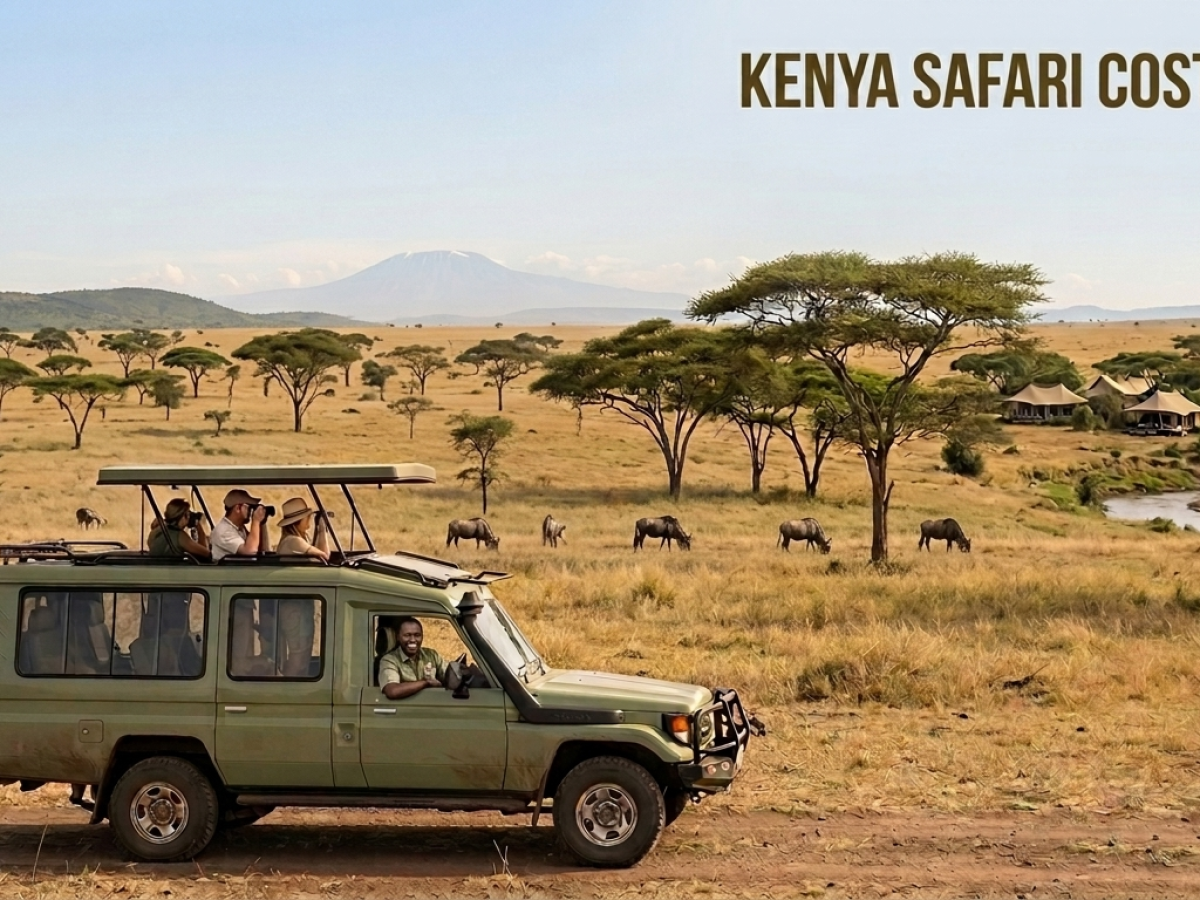
A Kenya safari costing USD 5,000 to USD 10,000 per person for ten days feels expensive at first glance.
However, the cost becomes clearer once you break down where each dollar goes in the itinerary.
Kenya Wildlife Service park fees alone for a ten-day safari across Maasai Mara, Amboseli, and Samburu cost about USD 600 to USD 800 per person. Conservancy fees add another USD 100 to USD 200 per day in private wildlife areas. These conservancies allow night drives, walking safaris, and off-road access that national parks do not permit.
Internal flights between parks cost USD 200 to USD 400 per sector. These flights replace six-hour or longer road journeys and reduce travel fatigue significantly. Mid-range tented camps cost USD 400 to USD 600 per person per night. These rates usually include meals, game drives, guiding, and a dedicated safari vehicle.
When you combine these elements, the USD 5,000 to USD 10,000 range reflects true operational cost rather than inflated pricing. The structure supports conservation, logistics, staff wages, and high-quality guiding services. A more useful comparison comes from other premium travel experiences worldwide. A ten-day European river cruise costs USD 3,000 to USD 8,000 per person. A ski holiday in a top resort costs USD 4,000 to USD 8,000 per person. A Kenya safari sits in the same range but delivers a completely different experience. It offers repeated, unscripted wildlife encounters in vast natural ecosystems.
What Budget Determines in a Kenyan Safari
Budget does not determine which animals you see in Kenya. Lions, elephants, and cheetahs appear across all accommodation levels. Budget mainly determines guiding quality, exclusivity, and comfort standards.
At USD 250 per night, travelers join shared game drives in national parks. They receive basic accommodation, standard meals, and competent guiding. At USD 1,500 per night, guests receive private game drives in conservancies. They enjoy exclusive vehicle use, highly experienced guides, and deeper wildlife interpretation.
They also access night drives, walking safaris, and off-road tracking.
The difference lies in depth of experience rather than wildlife visibility. Both budget and luxury safaris deliver meaningful wildlife encounters when well organized.
However, higher budgets improve comfort, flexibility, and learning opportunities.
The Wildlife Case for Kenya Over Alternatives
Kenya stands out because it combines several unmatched safari elements. It hosts the Great Wildebeest Migration across the Maasai Mara ecosystem.
>It also supports dense big cat populations with reliable sightings year-round. It connects multiple ecosystems within a single travel itinerary.
Why Kenya Specifically Justifies the Investment
The wildebeest migration involves over one million animals moving through the Mara. River crossings create some of the most dramatic wildlife scenes in Africa.
No other destination offers this scale of movement in a managed safari setting.
The Maasai Mara also offers exceptional predator visibility. Lions, leopards, and cheetahs appear frequently and remain visible for long periods.
Guides track individual animals using experience and radio networks in some areas.
This consistency creates longer viewing times and richer safari storytelling. A cheetah sighting often lasts minutes or hours rather than seconds. That difference strongly shapes the quality of the overall experience.
The Ethical Dimension of the Cost
Safari fees in Kenya directly support conservation and community livelihoods. Park fees fund Kenya Wildlife Service rangers and anti-poaching operations.
They also support veterinary rescue programs for injured wildlife. Conservancy fees go directly to Maasai and community landowners.
These payments encourage wildlife protection instead of land conversion.
Safari camps employ staff from surrounding communities. They also source food and services through local supply chains. A well-run safari contributes directly to long-term wildlife survival. Visitor spending supports the ecosystems that make the experience possible.
This connection gives the cost a conservation value beyond tourism alone.
Making the Most of the Investment
Timing, Duration, and Park Selection
Timing strongly influences value on a Kenya safari. The migration season from July to October offers peak wildlife activity. It also comes with higher prices across most Mara properties.
Shoulder months like February and September deliver strong sightings at lower rates. Big cats remain active throughout the year in the Maasai Mara. Duration also shapes overall experience quality. A minimum of three nights per destination improves safari depth significantly. It allows guides to understand guest preferences and wildlife patterns better.
Short one-night stays reduce actual game drive time. They also increase travel time between destinations. Fewer destinations with longer stays usually deliver stronger safari outcomes.
Plan Your Safari
A Kenya safari delivers strong value when itinerary design matches priorities carefully. Budget, timing, and park selection all influence final experience quality. African Wild Trekkers designs itineraries based on wildlife conditions and travel goals. The planning process focuses on efficient routing, correct camp selection, and accurate timing. It also includes flight coordination, park fees, and on-ground support throughout the safari.
Contact African Wild Trekkers at africanwildtrekkers.com/contact with your budget and travel dates, and we will design the best Kenya safari your investment can deliver within 24 hours.