Tanzania Packing List: What to Bring for Safari, Beach and Mountain
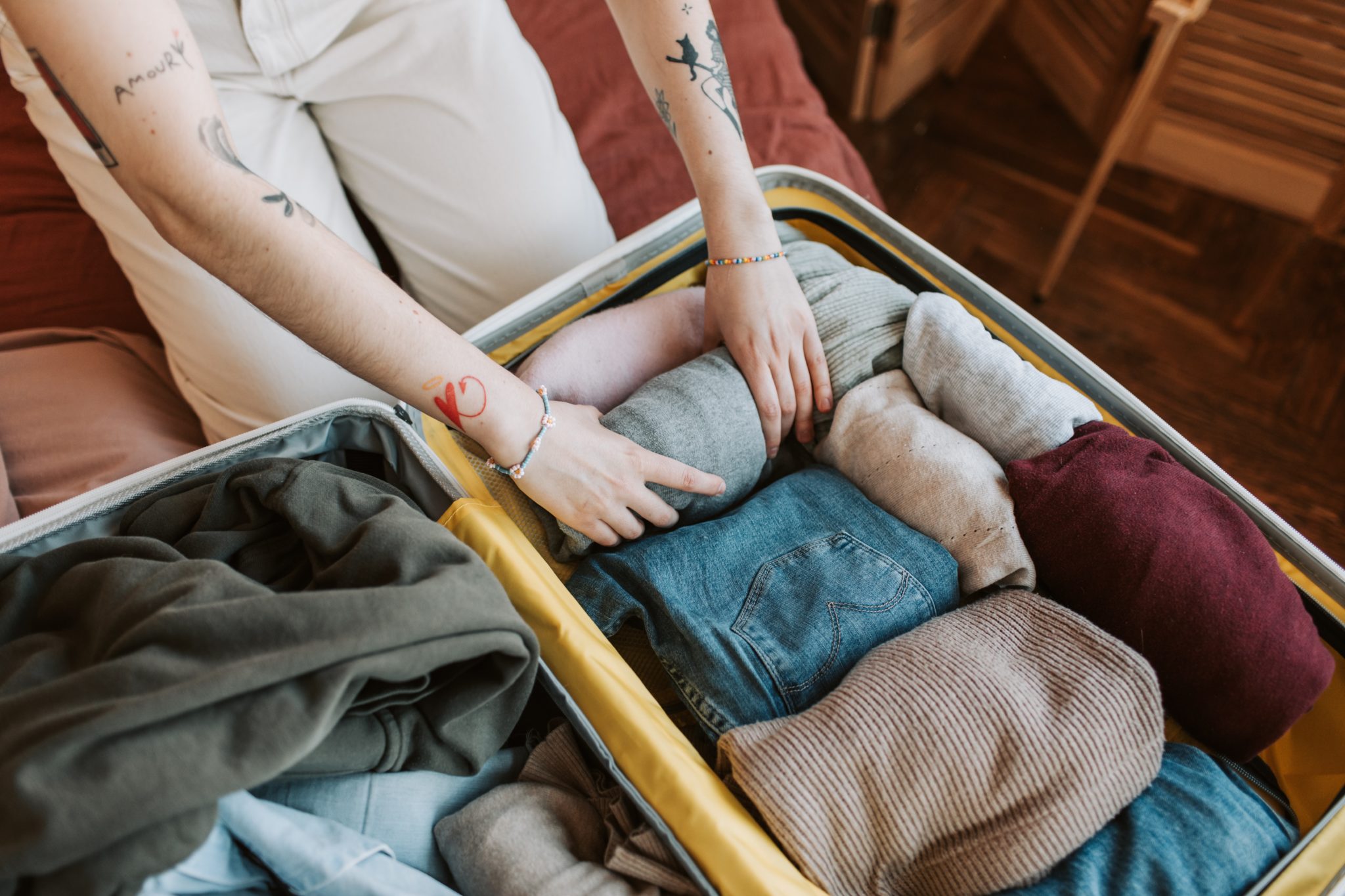
Packing for Tanzania requires thinking about three completely different environments in a single trip. Safari game drives in the Serengeti demand neutral-coloured clothing and sun protection. Zanzibar’s beaches call for light resort wear and modest cover-ups for village visits. Kilimanjaro demands technical layers capable of handling minus-fifteen degree temperatures at the summit. Getting the balance right — enough gear for all conditions without overloading yourself — makes the difference between a trip where you feel equipped and one where you spend a game drive sweating in the wrong shirt. This packing list covers everything you need for all three environments.
Safari Clothing: What to Wear in the Parks
Colours, Fabrics, and Layering
Why Neutral Colours Matter on Safari
Safari clothing in Tanzania should stick to neutral, earth-toned colours: khaki, olive, beige, tan, and grey. Bright colours — particularly white, red, and royal blue — are visually conspicuous in the savanna and can startle wildlife that you spent half an hour carefully approaching. Blue and black colours also attract tsetse flies, which bite aggressively and cause genuine discomfort even if tsetse fly disease transmission in Tanzania’s main tourist parks is rare. Rangers and experienced guides consistently recommend staying in the khaki-to-olive colour palette for everything you wear on a game drive, from your shirt to your hat to your daypack.
Fabrics matter as much as colour. Lightweight, breathable fabrics dry quickly, keep you cool during midday drives, and resist the fine red dust that permeates everything in the dry season. Moisture-wicking synthetics and merino wool both perform well. Heavy cotton is comfortable but takes longer to dry and saturates with sweat quickly in midday heat. Avoid fabrics with strong synthetic odours after washing, as some wildlife — particularly elephants and buffalo — may react to unfamiliar scent profiles. Pack clothes you would feel comfortable wearing while sitting in an open vehicle under direct sun for five hours — because that is exactly the situation you will face.
Layering for Early Mornings and Cool Evenings
Game drives begin before sunrise, and the Serengeti and Ngorongoro highlands are significantly cooler at 0600 than they are at noon. A fleece mid-layer and a windproof outer layer pack down small and make the difference between a comfortable dawn drive and a shivering hour wishing you had brought a jacket. The Ngorongoro rim sits above 2,300 metres and can be cold enough for breath to mist even in July — bring a warm beanie and gloves for crater descents in the dry season months. The afternoon drive that departs at 1600 is warm, but by 1800 the temperature drops quickly as the sun goes down, so keep your fleece accessible in your daypack.
Pack three to four sets of safari clothing for a five-to-seven day safari: two lightweight long-sleeved shirts, one or two short-sleeved shirts, two pairs of convertible trousers or lightweight cargo trousers, a fleece mid-layer, and a windproof jacket. Most camps offer laundry service, so you rarely need more than four days of clothing even on a longer trip. Pack light — your safari bag travels on a bush plane if you fly between parks, and most operators impose a weight limit of fifteen kilograms in a soft-sided bag for internal flights.
Footwear and Accessories
Shoes for the Savanna
On a standard vehicle safari in Tanzania, you spend most of the day seated in the 4×4 and rarely walk more than a few metres at viewpoints, picnic sites, or camp perimeters. A comfortable pair of closed-toe walking shoes or lightweight trail runners handles every situation adequately. Ankle support matters more than waterproofing in the dry season, but in the shoulder months when grass can be damp with morning dew, a water-resistant upper keeps feet comfortable. Sandals are fine for evenings in camp but should not be your primary daytime footwear, as scorpions and thorns make closed shoes safer when walking on the ground.
Walking safari clients and those doing guided bush walks need proper ankle-supporting boots with a thick sole that protects against thorns and rocky terrain. Most walking safari operators provide guidance on footwear requirements when booking, and African Wild Trekkers includes specific shoe recommendations in the pre-departure pack for any itinerary that includes walking game drives. Do not wear brand-new boots on safari without breaking them in first — blisters mid-game drive ruin the experience.
Zanzibar Beach Packing
What to Pack for the Island
Swimwear, Cover-Ups and Resort Wear
Zanzibar is a Muslim-majority island, and while beach resorts are fully tolerant of standard swimwear within their grounds, modest dress is essential when visiting villages, Stone Town, markets, and spice farms. Women should pack a lightweight sarong or maxi dress that covers knees and shoulders for any time spent outside resort areas. Men in shorts need a light shirt for the same contexts. Carrying a sarong in your day bag resolves most modesty situations instantly — it doubles as a beach cover-up, a picnic blanket, a temple wrap, and a shawl on cool evenings. Pack two or three swimsuits so you always have a dry one available, and pack a rash guard if you plan extended water activities.
Zanzibar’s sun is intense year-round, and sunburn happens faster than most travellers expect when reflected off white sand and clear water. A high-SPF reef-safe sunscreen is essential both for your skin and for the coral reef ecosystem you will be snorkelling over. Chemical-based sunscreens containing oxybenzone and octinoxate damage coral, and many Zanzibar diving and snorkelling operators explicitly request mineral-based alternatives. Pack SPF 50 mineral sunscreen and apply it twenty minutes before entering the water. A wide-brimmed hat and UV-protective sunglasses complete the sun protection kit for a full beach day.
Insect Repellent and Evening Protection
Mosquitoes on Zanzibar are most active at dawn and dusk, and applying DEET-based or picaridin-based insect repellent before the evening meal significantly reduces bite risk. Long-sleeved clothing in the evening adds an extra layer of protection without requiring constant reapplication of repellent. Most Zanzibar hotels provide mosquito nets over beds, but bringing your own compact travel net is worthwhile if you stay at guesthouses rather than larger resorts. Pack a plug-in mosquito repellent device for the room — they work effectively and make overnight sleeping more comfortable in rooms without strong air conditioning.
The same DEET repellent that protects you from mosquitoes on Zanzibar works for the mainland safari as well, so buying a 100ml bottle rated at 30 to 40 percent DEET covers both legs of the trip. Spray it on exposed skin and the edges of clothing rather than applying it under clothing where it absorbs less effectively. Reapply after swimming or sweating heavily. Children should use repellents specifically formulated for their age group — check the label for appropriate age ranges before applying any adult-strength repellent to a child.
Kilimanjaro Packing: The Mountain Layer System
Technical Gear for the Summit
Base, Mid, and Outer Layers for the Climb
Kilimanjaro requires a four-season layering system despite its equatorial location, because the summit zone at 5,895 metres experiences extreme cold, wind, and potential snow year-round. The base layer should be a moisture-wicking synthetic or merino wool thermal top and bottom — never cotton, which retains moisture and creates hypothermia risk when wet with perspiration. The mid-layer should be an insulating fleece or down jacket capable of retaining warmth even when slightly damp. The outer layer needs to be both waterproof and windproof — a Gore-Tex or equivalent shell jacket and matching waterproof trousers are standard. On summit night you may wear all four layers simultaneously.
Hire rather than buy gear wherever possible if you do not already own technical mountain clothing. Arusha has multiple gear rental shops near the mountain operators’ offices that stock everything from sleeping bags to gaiters at reasonable daily rates. Renting reduces the amount you need to pack from home, and the rental gear is generally adequate for Kilimanjaro’s routes. If you already own technical hiking gear from alpine or winter trips, that equipment serves Kilimanjaro well. African Wild Trekkers provides a detailed gear list specific to your chosen route in the pre-departure documentation.
Footwear and Poles for Kilimanjaro
Waterproof, ankle-supporting hiking boots are the single most important piece of footwear you bring to Kilimanjaro. The boots should have been worn and broken in before you arrive — at least three to five full-day hikes in rough terrain — so that no blister or hotspot develops on the mountain. Gaiters that attach over the boot and the lower trouser leg prevent scree and debris from entering your boot on Kilimanjaro’s upper volcanic sections and on the descent. Trekking poles reduce the impact on knees during descent and provide balance on loose rock — experienced Kilimanjaro climbers consider poles close to essential on routes with steep sections like Barranco Wall or the Machame descent to Mweka.
Bring two pairs of socks per day of climbing — a thin moisture-wicking liner sock worn inside a thick merino wool outer sock reduces friction and prevents blisters more effectively than a single thick sock. Pack enough socks to have a fresh pair for each day without depending on camp laundry, which is not available at high-altitude camps. Summit night demands the warmest socks you own. African Wild Trekkers’ guides check clients’ footwear before the climb begins and flag any issues with boot fit or sole condition that could compromise the ascent.
Plan Your Safari
A Tanzania trip spanning safari, Zanzibar beach, and Kilimanjaro requires careful packing strategy — enough gear for three environments without exceeding internal flight bag limits. African Wild Trekkers advises every client on what to pack based on their specific itinerary, the time of year, and which activities are included. The pre-departure pack includes a customised gear list organised by activity and travel day.
Clients can leave non-safari luggage at their Arusha hotel while in the parks and at the mountain base — operators routinely facilitate left-luggage storage so travellers carry only what they need at each destination. This means your Zanzibar resort wear and heavy summit gear stay safely stored while you are on the game drives, and your safari kit stays in Arusha while you are on the beach. African Wild Trekkers coordinates all storage arrangements as part of the transfer logistics.
Contact African Wild Trekkers at africanwildtrekkers.com/contact with your Tanzania travel dates and planned activities and we will send a complete personalised packing list within 24 hours.