Gorilla Trekking in January: Complete Guide to Trekking Gorillas in Uganda and Rwanda
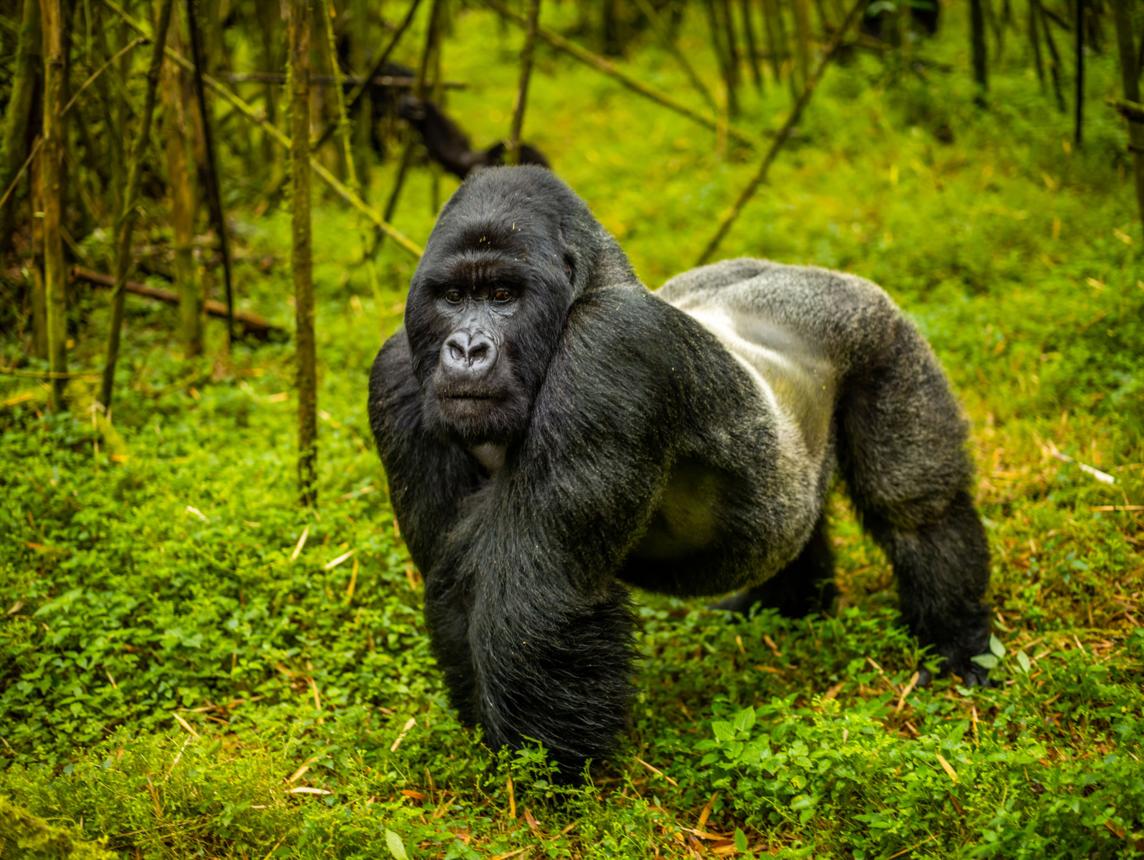
Gorilla trekking in January offers an exciting opportunity to encounter mountain gorillas in their natural habitat. The month provides generally favorable conditions for trekking in Uganda and Rwanda, although mountain forests can receive rain at any time.
January falls within one of the relatively drier periods in East Africa. However, the climate around Bwindi Impenetrable National Park and Volcanoes National Park differs from conditions in the surrounding lowlands.
Travelers can expect lush rainforest, cool mountain temperatures, steep trails, and unpredictable weather. With proper preparation, January can provide an excellent gorilla trekking experience.
Uganda and Rwanda remain the main destinations for travelers seeking mountain gorilla encounters in East Africa. Both countries offer guided trekking experiences led by trained rangers and trackers.
Is January a Good Month for Gorilla Trekking?
January is generally a good month for gorilla trekking. The relatively drier conditions can make forest trails easier to navigate compared with wetter months.
However, you should not expect completely dry conditions. Bwindi and the Virunga mountain forests receive rainfall throughout the year because of their high elevations and rainforest environment.
January can provide several hours of sunshine before afternoon or evening showers. Trekking conditions therefore depend on the specific weather pattern on your chosen day.
Another advantage involves combining gorilla trekking with other safari activities. Uganda offers excellent wildlife experiences during January, allowing travelers to combine primates with traditional African wildlife.
Gorilla Trekking in Uganda in January
Uganda offers gorilla trekking in Bwindi Impenetrable National Park and Mgahinga Gorilla National Park. Bwindi contains several trekking sectors, including Buhoma, Ruhija, Rushaga, and Nkuringo.
January provides favorable conditions for exploring these mountain forests. The trails can still become muddy after rainfall, but many travelers find the conditions manageable.
Bwindi’s dense vegetation creates a remarkable environment for gorilla encounters. The forest contains ancient trees, vines, ferns, birds, butterflies, and other wildlife.
Mgahinga offers another option for travelers seeking gorilla trekking in Uganda. The park forms part of the larger Virunga conservation landscape shared by Uganda, Rwanda, and the Democratic Republic of Congo.
Your safari operator can recommend the most suitable trekking sector based on your itinerary and accommodation. Choosing accommodation close to your trekking sector can also reduce early-morning driving.
Gorilla Trekking in Rwanda in January
Rwanda provides gorilla trekking in Volcanoes National Park. The park lies in the northwestern part of the country and protects part of the Virunga mountain range.
January can provide favorable trekking conditions in Volcanoes National Park. The combination of mountain scenery, bamboo forests, and volcanic peaks creates an impressive setting for gorilla encounters.
Rwanda also offers convenient access from Kigali. Travelers can usually reach the gorilla trekking area within a few hours by road, depending on traffic and road conditions.
This makes Rwanda particularly attractive for travelers with limited time. A short itinerary can combine Kigali with gorilla trekking and cultural experiences.
January Gorilla Trekking Weather
January weather can vary considerably in the mountain gorilla regions. Morning temperatures can feel cool, while conditions become warmer as the day progresses.
Rain remains possible because gorillas live in high-altitude rainforest environments. Even during relatively dry periods, sudden showers can occur.
Travelers should therefore prepare for both sunshine and rain. A waterproof jacket, hiking boots, and waterproof protection for electronic equipment can make the experience more comfortable.
The weather also affects trail conditions. Dry mornings can produce relatively firm trails, while rainfall can quickly create muddy and slippery sections.
What Are Gorilla Trekking Trails Like in January?
Gorilla trekking involves walking through natural forest rather than following paved trails. The terrain can include steep slopes, thick vegetation, exposed roots, and muddy sections.
January can offer reasonably manageable conditions because rainfall may be lower than during the wetter months. However, the terrain remains physically demanding.
The length of a gorilla trek depends on the location of the gorilla family on the day. Some groups may take a short walk to reach, while others can require several hours of hiking.
Trackers usually leave early to locate the gorilla family before visitors reach the area. Their information helps guides determine the direction and approximate location of the group.
What Should You Wear for Gorilla Trekking in January?
Proper clothing can make a significant difference during a January gorilla trek. Travelers should wear comfortable hiking trousers, long-sleeved shirts, sturdy hiking boots, and socks suitable for long walks.
A lightweight waterproof jacket remains important because mountain rain can arrive unexpectedly. Gaiters can also protect your lower legs from mud, water, and vegetation.
Gloves can protect your hands when holding branches or moving through thick vegetation. Lightweight gardening gloves often work well for this purpose.
You should also carry a small backpack containing drinking water, snacks, sunscreen, insect repellent, and personal items.
Keep cameras and phones protected from rain. A waterproof bag or dry bag provides additional protection when conditions change suddenly.
What Are the Chances of Seeing Gorillas in January?
Gorilla trekking offers a strong opportunity to see mountain gorillas because trackers monitor their movements daily. However, gorillas remain wild animals, so no responsible operator can guarantee a particular behavior or location.
Gorilla families move through the forest while searching for food and resting areas. Their movements can change according to food availability, weather, and other natural factors.
Trackers usually locate the gorilla family before the trekking group reaches the area. This process significantly improves the chances of finding the group.
Once you find the gorillas, visitors normally spend a regulated period observing them. Rangers provide instructions to maintain a safe and respectful distance.
January Gorilla Trekking Permits
A gorilla permit provides authorization to participate in a guided gorilla trekking experience. You need a valid permit before entering the gorilla trekking activity.
Uganda’s foreign non-resident gorilla trekking permit costs US$800 per person in 2026. Rwanda’s standard gorilla trekking permit costs US$1,500 per person in 2026.
Permit prices can change, so travelers should confirm current rates before making their final payment. Your tour operator can also help secure permits and coordinate the rest of your safari.
January can become busy around the Christmas and New Year holiday period. Booking your permit several months ahead provides better availability for preferred dates.
How Early Should You Book January Gorilla Trekking?
Booking several months ahead is advisable for January gorilla trekking. Travelers visiting around New Year should consider booking even earlier.
Early booking helps secure your preferred trekking date. It also gives you more accommodation choices close to your selected trekking sector.
Your permit date determines when you will trek. Therefore, you should confirm the permit before making non-refundable arrangements around your trekking schedule.
A professional safari operator can coordinate the permit, accommodation, transportation, meals, park activities, and other travel arrangements.
January Gorilla Trekking and Safari Combinations
January works well for travelers who want to combine gorilla trekking with a traditional wildlife safari. Uganda offers several national parks that can complement a gorilla experience.
Queen Elizabeth National Park provides opportunities to see elephants, lions, buffaloes, hippos, leopards, and numerous antelope species. The Kazinga Channel boat safari provides another excellent wildlife experience.
Kibale National Park offers chimpanzee trekking and other primate experiences. Travelers can therefore create a combined gorilla and chimpanzee safari.
Lake Mburo National Park provides another option for travelers traveling between western Uganda and Entebbe. The park offers zebra, impala, buffalo, giraffe, and other wildlife.
A well-planned January itinerary can combine several of these destinations without creating unnecessary long driving days.
Gorilla Trekking in January for Families
Gorilla trekking can form part of a family safari when children meet the minimum age requirement. Uganda and Rwanda generally require trekkers to be at least 15 years old.
Families should consider the physical demands of trekking before booking. Mountain trails can involve steep climbs and several hours of walking.
Parents should also choose accommodation that provides comfortable facilities after the trek. A good night’s rest becomes particularly important after a demanding forest hike.
Families traveling with younger children can enjoy other activities while eligible family members undertake gorilla trekking. Your safari operator can help design an itinerary around the family’s needs.
Gorilla Trekking in January for Couples
January provides an excellent opportunity for couples seeking a memorable African adventure. Gorilla trekking can form part of a honeymoon, anniversary trip, or romantic safari.
Couples can combine the trek with scenic accommodation around Bwindi or Volcanoes National Park. Lake Bunyonyi also provides an attractive extension for travelers visiting southwestern Uganda.
Rwanda offers another option for couples seeking a shorter itinerary. The relatively easy connection between Kigali and Volcanoes National Park allows couples to maximize their time.
Combining gorilla trekking with wildlife, cultural, and scenic experiences can create a diverse romantic safari.
Advantages of Gorilla Trekking in January
January offers several advantages for gorilla trekking. Relatively favorable weather can make forest walking more comfortable than during the wetter periods.
The month also provides opportunities to combine gorilla trekking with other East African experiences. Travelers can extend their journey into Kenya or Tanzania for additional wildlife adventures.
January’s green landscapes also provide beautiful photographic backgrounds. The forest remains vibrant, while mountain scenery creates dramatic views.
Travelers who book around the holiday period should expect higher demand. Planning ahead remains important for securing permits and preferred accommodation.
Challenges of Gorilla Trekking in January
January does not guarantee perfect weather. Rain can still occur during your trek, and forest trails can become slippery.
The physical demands also remain regardless of the month. You should prepare for steep terrain and potentially several hours of hiking.
High demand around New Year can affect accommodation and permit availability. Late bookings may leave travelers with fewer choices.
Despite these challenges, proper preparation can make January gorilla trekking highly rewarding.
Plan Your January Gorilla Trekking Safari
Gorilla trekking in January provides an excellent opportunity to explore Uganda or Rwanda while encountering endangered mountain gorillas in their natural habitat. Relatively favorable weather, lush forests, and opportunities for wider safari combinations make January an attractive travel month.
Uganda offers several gorilla trekking sectors and can easily combine gorillas with chimpanzee trekking and classic wildlife safaris. Rwanda provides convenient access from Kigali and an excellent option for travelers with shorter itineraries.
Book your gorilla permit several months ahead, especially when traveling around the New Year holidays. Prepare for changing mountain weather and challenging terrain, then enjoy one of Africa’s most extraordinary wildlife experiences.