African Leopard Facts: Discover the Secrets of Africa’s Elusive Big Cat
The African leopard is one of the most beautiful and adaptable predators on the continent. Known for its golden coat, dark rosettes, and incredible strength, the leopard survives in a wide range of habitats across Africa.
Unlike lions that live in prides, leopards are mostly solitary animals. Their ability to stay hidden, climb trees, and adapt to different environments makes them one of Africa’s most fascinating big cats.
Where Do African Leopards Live?
African leopards are found in many parts of sub-Saharan Africa. They live in forests, grasslands, mountains, wetlands, and savannahs.
Countries such as Kenya, Tanzania, Uganda, Botswana, Namibia, South Africa, and Zambia offer some of the best opportunities to see these magnificent cats in the wild. Their ability to adapt allows them to survive in areas with different climates and landscapes.
Leopard Appearance and Physical Features
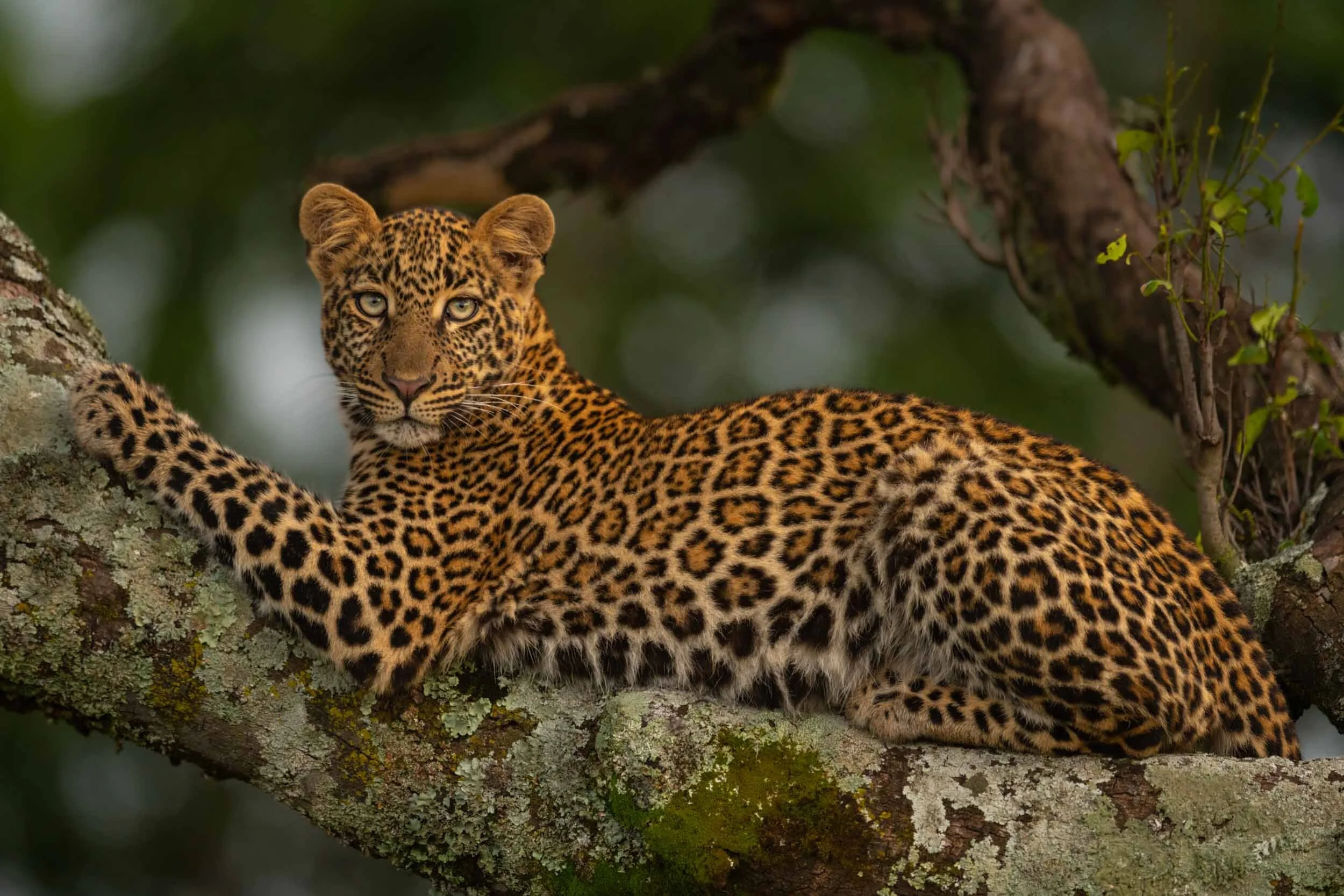
African leopards have a golden-yellow coat covered with black spots called rosettes. These markings help them blend into their surroundings while hunting or resting.
They have strong legs, sharp claws, and powerful jaws. Their muscular bodies allow them to climb trees and carry prey much heavier than themselves. Male leopards are usually larger than females. Their size can vary depending on their habitat and available food sources.
Leopards Are Expert Climbers
One of the most impressive African leopard facts is their incredible climbing ability. Leopards often drag their prey into trees to protect it from scavengers such as lions and hyenas.
Their strong shoulders and powerful limbs help them pull heavy animals upward. A leopard resting on a tree branch with its meal is one of the most iconic safari sights. Trees also provide safe resting places where leopards can observe their surroundings.
What Do African Leopards Eat?
Leopards are skilled hunters with a diverse diet. They eat animals such as antelopes, monkeys, birds, reptiles, and small mammals. They are opportunistic hunters, meaning they take advantage of available food. Their adaptability helps them survive in different environments.
Leopards usually hunt alone. They rely on stealth, patience, and speed rather than chasing prey over long distances.
How Do Leopards Hunt?
African leopards are masters of camouflage. They use their spotted coats to disappear into grass, bushes, and forests. A leopard slowly approaches its prey before making a powerful short attack. It uses surprise and strength to capture its target.
Their hunting style requires patience and careful planning. They often spend hours observing before making a move.
Leopard Social Behavior
Leopards are mainly solitary animals. Adults usually live alone and maintain territories that they mark with scent and sounds. Females spend time with their cubs while teaching them important survival skills. Young leopards stay with their mothers until they are ready to live independently.
Although they prefer solitude, leopards communicate through sounds, scent markings, and body language.
Leopard Cubs and Family Life
Female leopards usually give birth to two or three cubs after a short gestation period. Cubs are born blind and depend completely on their mother.
The mother protects her cubs in hidden dens until they become strong enough to explore. She teaches them how to hunt and avoid danger. Only a few cubs survive to adulthood because they face threats from predators and environmental challenges.
African Leopards and Conservation
African leopards face threats from habitat loss, human-wildlife conflict, and illegal hunting. Although they are widespread, some populations are declining in certain areas. Conservation programs focus on protecting habitats, reducing conflicts between communities and wildlife, and promoting responsible tourism.
Safeguarding leopards also helps protect the ecosystems where many other species depend on the same environment.
Best Places to See African Leopards
Africa offers several excellent destinations for leopard sightings. The Serengeti National Park and Ngorongoro Conservation Area in Tanzania are famous for leopard encounters. Kenya’s Maasai Mara, Uganda’s Queen Elizabeth National Park, and South Africa’s private reserves also provide opportunities to observe these secretive cats.
Seeing a leopard in the wild is considered one of the most rewarding safari experiences.
Why African Leopards Are Special
African leopards represent strength, patience, and adaptability. They can survive in different landscapes because of their intelligence and ability to adjust.
Their quiet nature makes every sighting exciting. Spotting a leopard resting in a tree or moving through the grasslands creates a memorable wildlife moment.
Plan Your African Leopard Safari Experience
Planning a safari to see African leopards offers a chance to witness one of nature’s greatest hunters. Explore Africa’s wild landscapes, discover hidden predators, and experience the beauty of these remarkable cats.
An African leopard encounter is more than a wildlife sighting. It is a connection with one of the continent’s most mysterious and powerful animals.