Aardvark Facts Africa: The Nocturnal Excavator Most Safari-Goers Never See
The aardvark ranks among the most bizarre animals in Africa. It looks like nothing else on earth; it digs faster than any shovel. It feeds on insects every night of its life. Yet most visitors to East Africa never lay eyes on one.
What Is an Aardvark?
The aardvark belongs to the order Tubulidentata. It has no close living relatives. Scientists place it in its own taxonomic order, separate from every other mammal on earth. Its name comes from the Afrikaans for “earth pig,” but it shares nothing biologically with pigs.
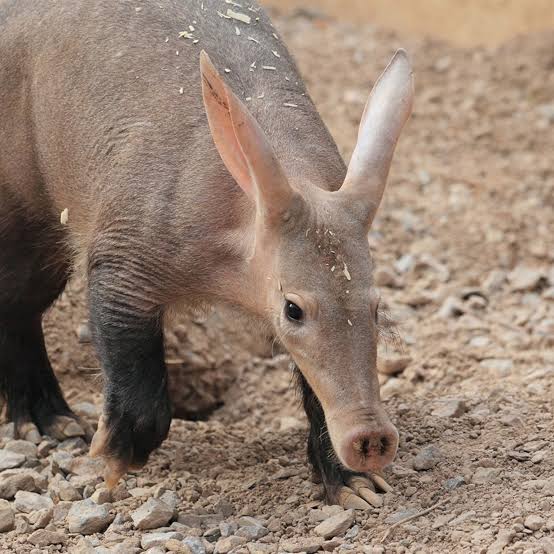
An adult aardvark weighs between 40 and 65 kilograms. It measures roughly 1.4 meters from snout to tail. The body is stocky and powerful. The skin sits loose over a heavily muscled frame designed for one purpose: digging.
Physical Features That Set the Aardvark Apart
The aardvark’s snout stretches long and tubular. It packs more olfactory receptors than almost any other mammal. It smells like a termite mound from several meters away. The nostrils close completely when the animal pushes its snout into soil. Stiff bristle-like hairs around the nostrils filter out dust.
The ears stand tall and rabbit-like. They detect underground insect movement before the snout reaches the mound. The tongue extends 30 centimeters. It coats itself in thick, sticky saliva. It sweeps up thousands of insects with each lick.
The claws on the front feet are flat and spade-shaped. They are extraordinarily strong. An aardvark breaks open rock-hard termite mounds with ease. It digs a new burrow in under three minutes on soft ground. No other animal of its size moves earth that fast.
What Aardvarks Eat Every Night
Aardvarks eat termites and ants almost exclusively. They target harvester termites above all others. A single aardvark consumes roughly 50,000 insects in one night. This keeps termite populations in check across vast areas of savanna.
The aardvark also eats the aardvark cucumber. This fruit grows underground. The plant depends entirely on the aardvark to eat and disperse its seeds. No other large mammal eats or distributes this fruit. The relationship is one of Africa’s most unusual.
The Aardvark’s Outsized Role in the Ecosystem
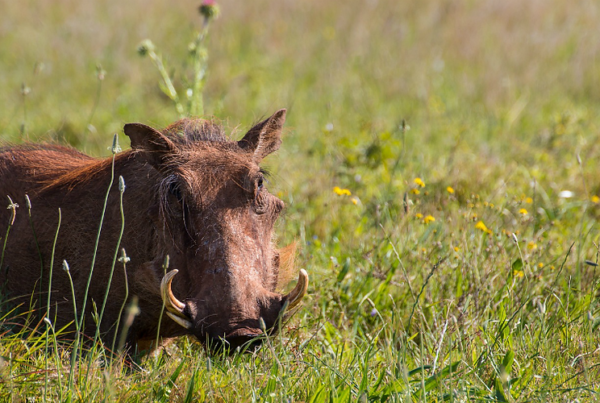
Aardvark burrows matter deeply to the African ecosystem. Warthogs, hyenas, porcupines, monitor lizards, and dozens of smaller species use abandoned aardvark burrows as shelter. Without aardvarks, many of these animals lose safe den sites.
Aardvarks also aerate soil on a massive scale. Their digging mixes nutrients and improves drainage across the savanna. Scientists classify the aardvark as a keystone species. Remove it and the grassland ecosystem weakens in ways that take years to detect.
Where Aardvarks Live in East Africa
Aardvarks live across most of sub-Saharan Africa. In East Africa they inhabit savanna, grassland, bushveld, and open woodland. They avoid dense rainforest and true desert. They need sandy or loamy soil they can dig into easily.
Uganda, Kenya, and Tanzania all support healthy aardvark populations. Kidepo Valley National Park in Uganda holds strong numbers. The Maasai Mara ecosystem in Kenya shelters many. Ruaha and the Serengeti in Tanzania hold significant populations.
Why Spotting an Aardvark Takes Real Effort
Aardvarks are strictly nocturnal. They emerge after dark and return to their burrows well before sunrise. They move quickly and silently across open ground. Their pale brown coloring blends perfectly with dry grass at night.
Aardvarks are also solitary and wide-ranging. They cover several kilometers each night while foraging. The chances of a random encounter stay low. A dedicated night drive in the right habitat gives the best realistic chance.
What Predators Hunt the Aardvark?
The aardvark faces threats from lions, leopards, hyenas, and African wild dogs. All of these predators can overpower an adult in the open. The aardvark’s best defense is speed and its burrow. It digs with exceptional urgency when threatened. It can disappear into newly excavated ground within minutes. Even a pursuing lion struggles to extract a braced aardvark from a shallow tunnel.
The aardvark also has thick, tough skin that partially resists bites and scratches. It uses its powerful legs to kick backward when cornered. Young aardvarks are more vulnerable than adults. They leave the burrow with their mother from about two weeks old onward. During this early exposure period, predation risk is highest. Mothers are vigilant and return to the burrow quickly at any disturbance.
Aardvark Conservation Status and Threats
The aardvark currently holds a classification of Least Concern on the IUCN Red List. Populations remain widespread across sub-Saharan Africa. However, localized declines occur in areas where habitat is lost to agriculture. Aardvarks need loose, workable soil and abundant termite colonies. Both disappear when land is converted to intensive cultivation.
Climate change presents an emerging concern. Drought periods reduce termite activity near the soil surface. Aardvarks lose significant body condition when termites are scarce. A 2019 study found that during extreme heat events, aardvarks in the Kalahari stopped feeding entirely for up to eight days. Several individuals died as a result. East Africa’s shifting rainfall patterns may bring similar stress to populations in drier savanna zones.
Plan Your Safari
To see an aardvark in East Africa, book a camp that runs night drives. Kidepo Valley National Park in Uganda and Ruaha National Park in Tanzania give the best odds in the region. The dry season from June to October increases sightings. Aardvarks move more predictably when termite activity concentrates near surface soil.
Tell your guide specifically that you want to look for aardvarks. A skilled guide knows the termite mound locations where aardvarks feed regularly. Drive slowly through open grassland between 9 pm and midnight. That window produces the most consistent sightings.
African Wild Trekkers builds custom night drive itineraries for travelers who want to see Africa’s rarest nocturnal mammals. Contact us to design a safari that targets the animals most visitors miss entirely.