The Wildlife of Ngorongoro Crater
The Crater’s Permanent Residents
Large Mammals: The Big Five and Beyond
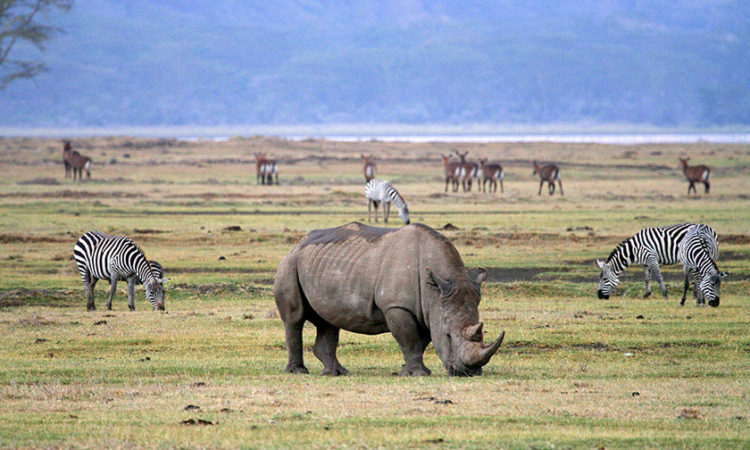
Ngorongoro Crater supports all five Big Five species in resident populations that remain within or adjacent to the caldera year-round, making it one of Africa’s most reliable single-location Big Five destinations. Black rhino numbers approximately 30 to 40 individuals in the crater under 24-hour ranger protection, representing one of the healthiest black rhino concentrations anywhere on the continent and by far the most accessible for tourist viewing. White rhino does not occur naturally in Tanzania — only black rhino live in the crater — so every rhino sighting confirms a critically endangered species whose total African population sits at approximately 6,000 individuals. A dedicated rhino drive with a ranger guide who knows current individual locations produces sightings with a reliability that safari destinations with more dispersed rhino populations cannot match, though the animals’ wariness requires patience and respectful distance maintenance.
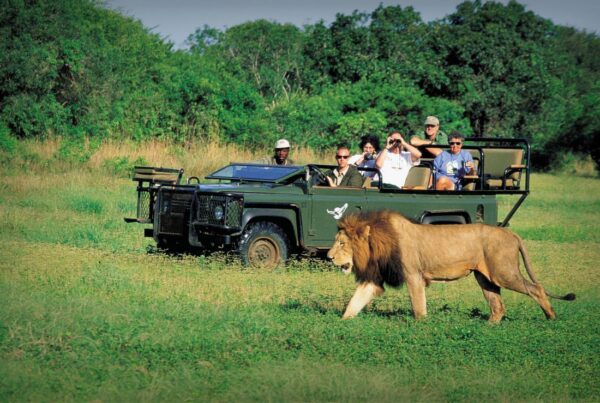
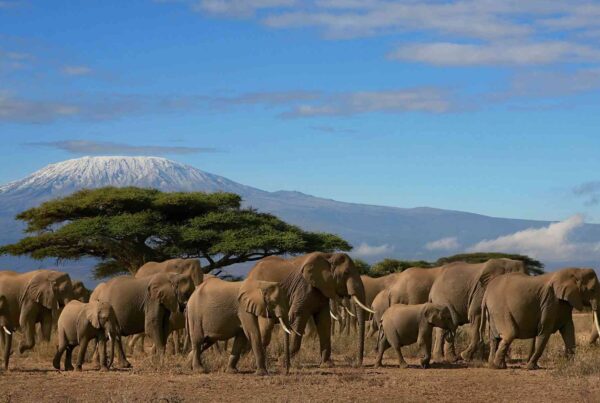
Lions in the crater maintain an estimated 60 to 70 resident individuals across multiple prides that have adapted to the caldera’s specific prey density and terrain over generations. The crater prides show the genetic isolation that a closed population experiences without immigration from outside and have developed the extraordinary vehicle tolerance that decades of intensive tourism have produced in animals that have never experienced vehicles as threats. Buffalo herds numbering in the hundreds occupy the crater’s short-grass plains alongside zebra populations of several thousand that together constitute the primary prey base for the crater’s substantial lion and hyena populations. Elephant bulls — predominantly males rather than family groups — occupy the Lerai Forest and move between the crater floor and the rim along routes that cross the crater walls seasonally, with large tuskers that represent the genetic legacy of an exceptionally tusked Ngorongoro lineage regularly appearing in the forest during morning and evening hours.
Predators: Lions, Spotted Hyenas, Leopards and Cheetahs
The crater’s predator community is remarkable not just for the species it contains but for the densities at which they coexist within the caldera. Spotted hyena clans in the crater number among the largest known in Africa, with some research estimates placing the total hyena population at over 400 individuals organised into multiple clans whose territories intersect across the crater floor in patterns of overlap and conflict that hyena researchers have studied for decades. The hyenas’ dominance in the crater’s scavenger hierarchy means that lion kills frequently attract hyena mobs that outnumber the lions and force carcass surrenders that create the confrontational dynamics between cats and dogs that visitors describe as among Ngorongoro’s most compelling wildlife observations.
Leopard populations in the crater face the same prey base and terrain as lions but maintain their typically more secretive habits by using the Lerai Forest’s dense canopy and the crater wall’s rocky sections as primary territory. Leopard sightings in the crater are less predictable than lion encounters but occur with sufficient frequency that guides who know the Lerai Forest’s leopard individuals can deliver reasonable sighting rates over multi-day visits. Cheetahs maintain a small population in the crater’s open plains section, though competition with the crater’s abundant lions and hyenas — which steal kills more frequently than the cheetahs can sustain — limits their numbers. Serval cats appear in the Gorigor Swamp’s reed margins and in the short grass of the crater floor at dawn, representing one of the more unusual predator sightings available to early-departing visitors who reach the crater floor before 07:30.
Water Birds and Flamingos
Lake Magadi and the Soda Lake Ecosystem
Lake Magadi in the crater’s southern section is a shallow, seasonally alkaline lake whose water chemistry supports the blue-green algae blooms that attract lesser and greater flamingo populations in numbers that fluctuate dramatically with annual rainfall and lake level. In good flamingo years, the lake’s surface turns pink with tens of thousands of feeding birds visible from the crater’s rim viewpoints and from the descent road long before the crater floor is reached. The flamingo population’s variability means that a specific visit cannot guarantee the pink lake spectacle that photographs and documentaries have made iconic — in dry years when the lake’s alkalinity increases beyond the flamingos’ tolerance, the birds relocate to other Rift Valley soda lakes rather than remaining in conditions hostile to their food supply. When present, the flamingos provide one of Tanzania’s most extraordinary wildlife photography opportunities at a location where the crater’s dramatic backdrop frames every image with the scale of geology rather than just the intimacy of wildlife.
Beyond flamingos, the crater’s water bodies support a waterbird community that birders find richly rewarding alongside the more celebrated large mammal sightings. African fish eagles pair at the Mandusi Hippo Pool and call from the surrounding acacia with the frequency and proximity that makes them easily photographed alongside the hippo pods below. Great white pelicans, grey-crowned cranes, black-winged stilts, and yellow-billed storks occupy the Gorigor Swamp’s margins in a species diversity that concentrated water bodies surrounded by open grassland consistently produce in East Africa. The crater’s general birdlife extends well beyond the water birds to include the raptors that patrol the caldera’s thermal currents — Martial eagles, Bateleur eagles, and African harrier-hawks that use the crater wall updrafts to survey the floor below for the small prey and carrion that the dense prey population produces in abundance.
Plains Animals and Supporting Species
Wildebeest in Ngorongoro Crater maintain a resident population of approximately 7,000 to 10,000 individuals that stays in the caldera year-round rather than participating in the Great Migration. This resident status distinguishes Ngorongoro’s wildebeest from the Serengeti population that passes through the crater’s adjacent conservation area during the southward return migration between November and January. The crater’s wildebeest are genetically and behaviourally distinct in their sedentary habits from the migratory herds, having adapted over generations to the caldera’s enclosed resources without the long-distance movement capability that evolutionary pressure would require in an open landscape. This resident population provides consistent predator-prey dynamics throughout the year that the Serengeti’s seasonally variable prey concentrations cannot replicate for visitors who travel outside the migration’s specific peak periods.
Zebra populations of 4,000 to 6,000 individuals graze alongside the wildebeest herds across the crater’s central short-grass plains in the interspecies association that benefits both species — wildebeest’s preference for shorter grass following behind zebra’s ability to process tall grass creates a grassland structure that the two species’ combined grazing maintains more productively than either alone. Grant’s gazelle and Thomson’s gazelle occupy the crater in resident populations that serve as the cheetah’s primary prey species within the caldera, with Thomson’s gazelle particularly abundant in the short-grass sections near the crater centre. Eland — the world’s largest antelope — appear in small groups in the crater’s mixed grassland and woodland margins, and hippo populations in the Mandusi and Ngoitokitok Springs pools provide the predictable large mammal mass that draws crocodiles, herons, and cattle egrets to the permanent water sources in concentrated associations unavailable elsewhere in the crater’s more open terrain.
Seasonal Wildlife Variations in the Crater
When to See Specific Species
Best Times for Rhino, Lions and Flamingos
Black rhino sightings in the crater peak during the dry season from June through October when the crater floor’s vegetation is shorter and the rhinos’ movements between the Lerai Forest, crater plains, and water sources are more visible against the open terrain than during the long rains when grass height obscures ground-level animals at distances that would otherwise produce clear sightings. Rangers who conduct dedicated rhino tracking drives in the crater know the locations of individually identified rhinos and time visits to coincide with the animals’ morning grazing movements from the Lerai Forest onto the adjacent plains — the window from 07:00 to 10:00 produces the highest rhino sighting rates through a combination of cooler temperatures, lower grass height in dry season, and the predictability of morning grazing behaviour across the study population.
Flamingo numbers at Lake Magadi peak during the short and long rain seasons when water level rises dilute the lake’s extreme alkalinity toward the range that spirulina algae tolerates at productive densities. This seasonal pattern means that the crater’s dry season — the period of best overall game viewing and most reliable road conditions — often coincides with reduced flamingo numbers as the lake’s alkalinity increases with evaporation. Travellers who want both optimal game viewing and flamingo spectacle in the same visit should target the transition months of October to November (end of dry season, beginning of short rains) or March to April (end of long rains, beginning of dry season transition) when the lake conditions and general game viewing quality align more closely than the deep dry or wet season allows.
Plan Your Safari
A Ngorongoro Crater safari that targets specific wildlife — black rhino with a ranger guide, flamingos at optimal lake conditions, or lions at the crater’s characteristic close distances — benefits from timing advice and descent scheduling that maximises the probability of each specific encounter. African Wild Trekkers coordinates crater descents for Tanzania itineraries and advises on the specific timing and guide selection that matches your wildlife priorities.
The package covers NCAA crater descent fees and permits, rim lodge accommodation, ranger guide costs for rhino tracking, vehicle fees, and connection to other northern Tanzania destinations in your itinerary. Post-descent briefings on the crater’s current wildlife distribution come from the previous morning’s ranger reports before each descent.
Contact African Wild Trekkers at africanwildtrekkers.com/contact with your Tanzania travel dates and Ngorongoro wildlife priorities and we will design your northern circuit itinerary within 24 hours.