Lake Manyara National Park: Overview
What Makes Lake Manyara Worth Visiting
The Park’s Unique Ecology and Location
Lake Manyara National Park occupies a narrow strip between the Rift Valley escarpment and its alkaline lake. It covers 325 square kilometres of highly diverse habitat compressed into a short driveable area. The park can be crossed in under two hours from end to end. Habitat variation includes groundwater forest at the escarpment base, acacia woodland in the middle, grassland near the lake, and the alkaline lake itself. This diversity creates a bird and mammal list far larger than its small size suggests. Ernest Hemingway called Manyara the most beautiful lake in Africa after his first visit. The escarpment viewpoint reveals forest canopy, pink flamingos, and the Rift Valley stretching into the distance.
The park lies 130 kilometres west of Arusha on the route to Ngorongoro. It functions as a natural stop on the northern circuit itinerary. Most visitors stay one night before continuing onward. A single afternoon and morning drive covers the main wildlife areas effectively. This makes Manyara ideal for shorter itineraries seeking a concentrated safari experience. It offers forest elephants, lake birds, and tree-climbing lions within a compact setting.
Tree-Climbing Lions: The Manyara Speciality
Lake Manyara is famous for its unusual tree-climbing lions. These lions rest in acacia and fig trees during daylight hours. This behaviour is rare across Africa and shared with only a few other populations. It is also seen in Uganda’s Ishasha region and limited other areas. Scientists have not fully explained this behaviour. Possible reasons include avoiding insects, improving visibility, or escaping wet ground conditions. The mystery increases its appeal for visitors.
Lion sightings in trees are not guaranteed on any single visit. The behaviour is most common during midday rest periods in the groundwater forest. Experienced guides know the key trees where lions are often seen. When encountered, lions may lie across branches or sit in forks above the ground. The sighting is visually striking and highly memorable for most visitors.
Wildlife and Birdlife at Lake Manyara
Flamingos, Hippos and the Lake Ecosystem
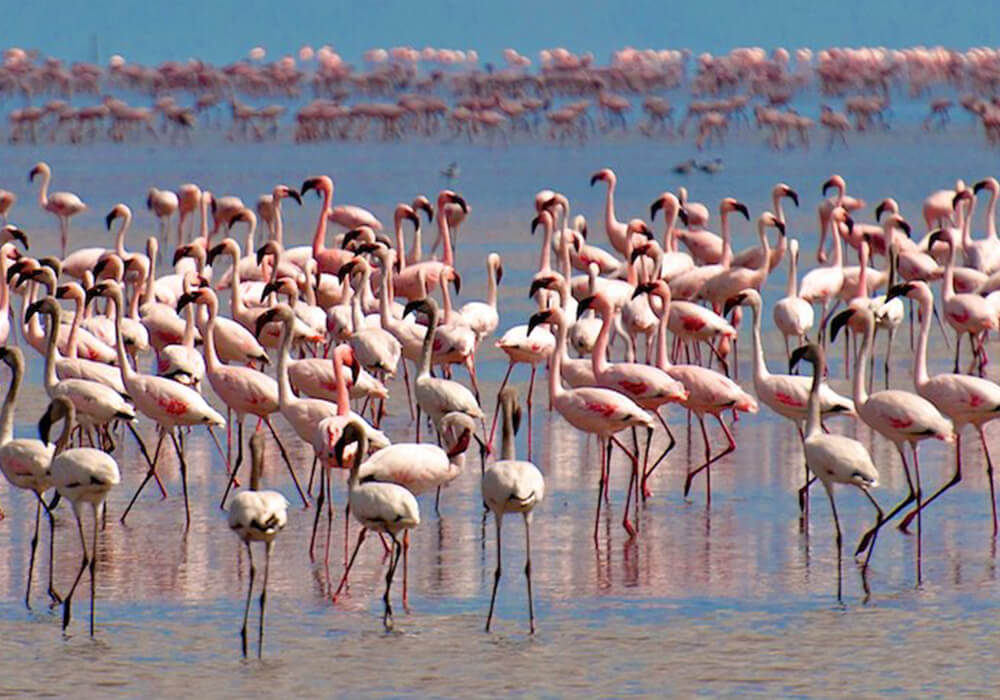
Lake Manyara supports large flamingo populations when water conditions are suitable. Thousands of lesser and greater flamingos gather along the lake edges in good years. Numbers fluctuate depending on rainfall, algae levels, and lake chemistry. November to April often provides better flamingo conditions than the dry season. When present, flamingos create a striking pink surface across the lake. The escarpment backdrop enhances the photographic scenery significantly.
Hippo pools at the northern end host between 200 and 400 hippos. These pools are fed by freshwater inflow from Mto wa Mbu River. Hippos move between pools with slow and heavy movement patterns. The area also attracts storks and other wading birds. Buffalo herds of several hundred individuals are common across the park. These herds support the predator population, including lions and leopards.
Groundwater Forest and its Residents
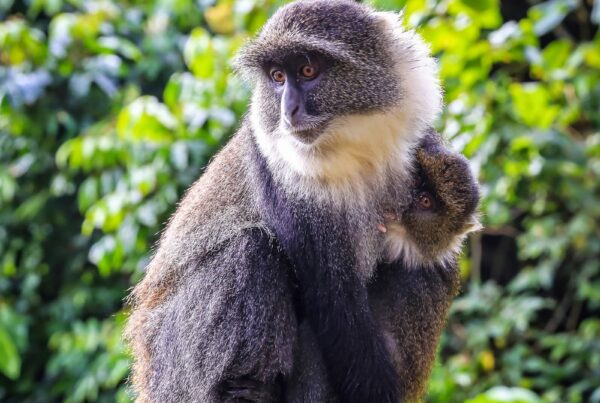
The groundwater forest lies at the base of the escarpment and is fed by underground springs. It remains evergreen throughout the year regardless of rainfall patterns. Blue monkeys are highly visible in troops of thirty to fifty individuals. They move quickly through the dense canopy and forest edges. Baboon troops also occupy the forest and surrounding woodland areas. Their behaviour adds strong social wildlife dynamics for visitors.
Forest elephants are smaller and more elusive than open savanna herds. Dense vegetation supports smaller family group movement patterns. These elephants move between forest water sources and escarpment slopes daily. Guides familiar with their patterns can predict their movements with reasonable accuracy. Encounters often occur at close range due to forest road conditions.
Practical Information for Lake Manyara
Getting There, Costs and Duration
How to Include Manyara in Your Itinerary
Lake Manyara is located about two hours from Arusha by road. It is often the first stop on the northern Tanzania safari circuit. The park is also accessible via Manyara airstrip for charter flights. Entry fees are approximately USD 62 per person per day for non-residents. These are usually included in overall safari package pricing.
A one-night stay allows an afternoon and morning game drive combination. This covers the main forest, lake, and swamp areas efficiently. Two nights provide deeper exploration and more relaxed pacing. Most travellers find one night sufficient for the park’s compact size. Longer stays are better allocated to Serengeti or Ngorongoro.
Plan Your Safari
Lake Manyara fits naturally into the northern Tanzania circuit as an introductory or concluding destination. It adds forest, lake, and tree-climbing lion diversity to larger safari experiences. African Wild Trekkers integrates Manyara into tailored northern circuit itineraries based on timing and wildlife conditions.
The package includes accommodation, park fees, guided game drives, and routing to the next destination. Lodges are selected for escarpment views or proximity to key wildlife zones. Guide briefings focus on current lion locations and flamingo activity.
Contact African Wild Trekkers at africanwildtrekkers.com/contact with your travel dates, and we will design your northern circuit itinerary including Lake Manyara within 24 hours.