Zanzibar Island: An Introduction
Understanding What Makes Zanzibar Unique
Geography, History and Cultural Identity
Zanzibar is an archipelago off Tanzania’s Indian Ocean coast. Unguja, the main island, lies about 35 kilometres from Dar es Salaam. It covers 1,651 square kilometres of coral terrain, beaches, forest, and clove plantations. The island’s identity comes from eight centuries of Indian Ocean trade. Persian, Arab, Indian, and African influences shaped its culture. Zanzibar Town’s Stone Town is a UNESCO World Heritage Site. Its narrow alleys, coral stone buildings, and carved wooden doors define its character. Mosques, churches, and Hindu temples sit within the same urban blocks. This reflects its long mercantile and multicultural history.
Zanzibar was once the capital of the Omani Sultanate’s East African territories from 1840. It was a centre of the Indian Ocean slave trade until 1873. It became a British Protectorate in 1890 and gained independence in 1963. These historical layers remain visible today. Architecture, food, music, and social identity reflect this blended past. The population often identifies as Swahili-Arab rather than purely African or Middle Eastern.
Modern Zanzibar is semi-autonomous within Tanzania. It has its own government and tourism policies. These sometimes differ from mainland Tanzania regulations. Tourism development is concentrated on northern and eastern beaches. Stone Town and inland spice plantations remain culturally preserved. This balance allows both beach tourism and cultural exploration. Zanzibar is one of East Africa’s strongest safari extensions. It combines wildlife safaris with Indian Ocean relaxation.
When to Visit Zanzibar
Zanzibar’s best seasons are the two dry periods. These run from June to October and December to February. June to October offers the clearest skies and calm seas. It is ideal for swimming, diving, and beach relaxation. This period aligns with East Africa’s peak safari season. Many travellers combine safari and beach in these months. Hotels and resorts book out early during this peak window.
December to February offers good weather and slightly lower rates. It also includes festive holiday travel demand. Christmas and New Year increase prices temporarily. The atmosphere during this period is lively and social.
The long rains occur from March to May. The short rains usually arrive in November. These months bring frequent rainfall and cloudy skies. Sea conditions can become rough and less suitable for water activities. However, hotel rates drop significantly during this time. Stone Town remains fully accessible year-round. Cultural tours, spice visits, and food experiences continue regardless of weather.
Zanzibar’s Beaches by Location
North and Northeast: Nungwi, Kendwa and Matemwe
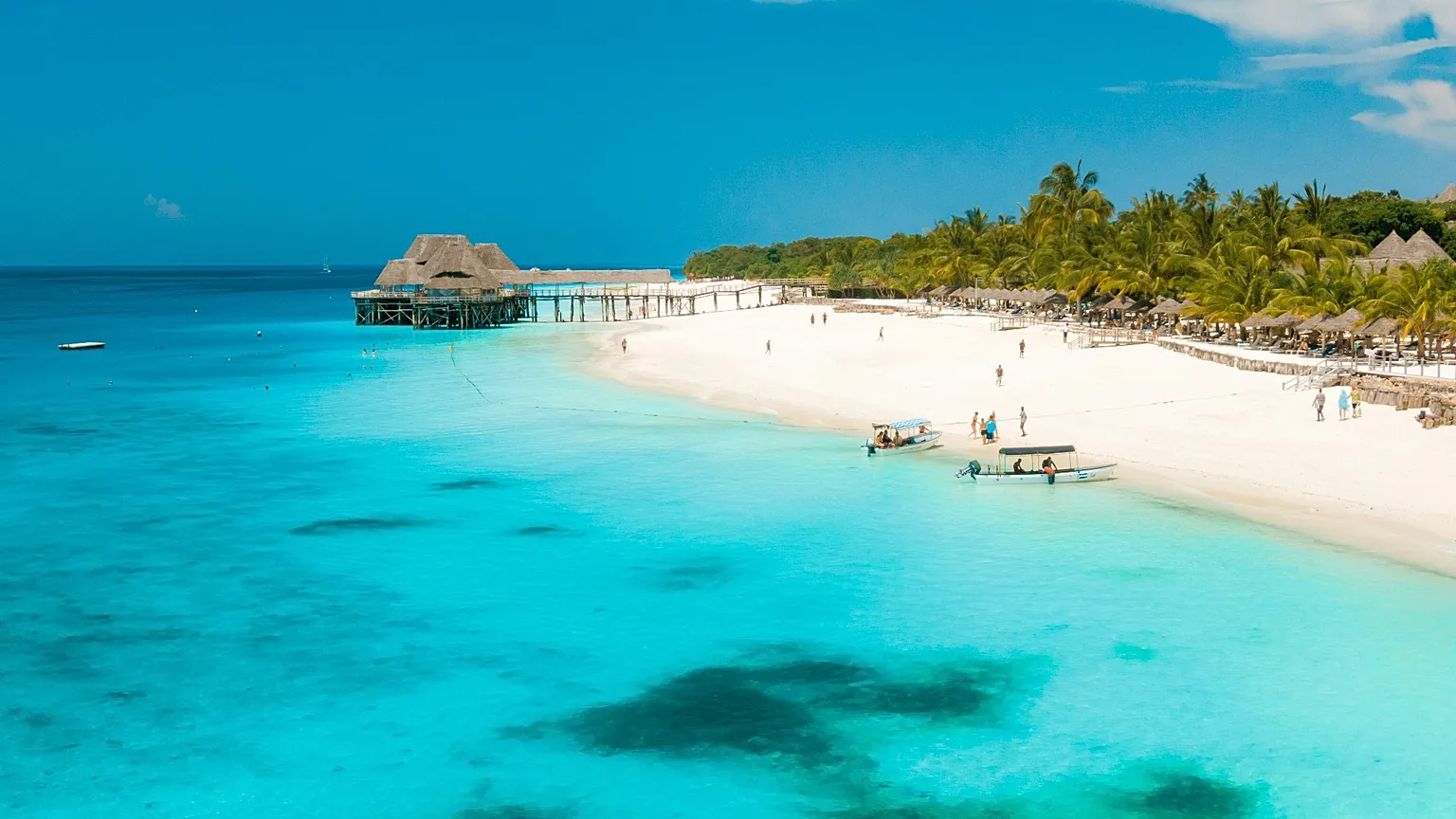
Nungwi and Kendwa form Zanzibar’s most reliable swimming beaches. They are less affected by tidal extremes. Nungwi also retains an active fishing community. Traditional dhow building still continues in the village. Kendwa offers wide sandy beaches and calm water conditions. It has a more relaxed resort atmosphere with boutique hotels and beach bars.
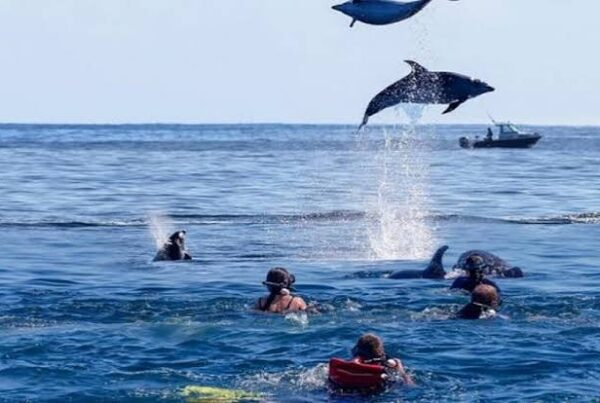
Matemwe lies on the northeast coast facing Mnemba Atoll. It is a prime gateway for diving and snorkelling. Coral reefs support turtles and rich marine life. Mnemba Island offers ultra-luxury private island accommodation. It hosts a very limited number of guests. It is one of the most exclusive stays in the Indian Ocean.
East Coast: Paje, Jambiani and Bwejuu
The east coast is shaped by tidal variation and wind seasons. At low tide, the sea retreats far across the reef flats. This creates dramatic shoreline changes throughout the day. From July to October, strong southeast winds dominate. These conditions make Paje a global kite-surfing destination. Jambiani and Bwejuu offer quieter coastal village experiences. They attract travellers seeking long beaches and relaxed stays.
Stone Town: The Cultural Heart of Zanzibar
Stone Town is Zanzibar’s historical and cultural centre. It is a dense urban maze of coral stone buildings. The House of Wonders, Old Fort, and former slave market stand here. These sites reflect the island’s complex past. Arab, Persian, Indian, and European influences merge in the architecture.
Guided walking tours reveal the city’s layered history. Narrow streets connect markets, homes, and waterfront areas. Forodhani Gardens becomes a food hub each evening. Street vendors serve seafood, Zanzibar pizza, and grilled snacks. The atmosphere is lively and distinctly local.
Freddie Mercury was born in Stone Town. His birthplace is now a small museum. It reflects the Indian merchant community that shaped his early life. Darajani Market operates daily from morning until early afternoon. It is the island’s main fresh food market. Fish, spices, and produce dominate its busy halls.
Practical Zanzibar Information
Getting There and Transport
Zanzibar International Airport receives regional flights from Nairobi and Dar es Salaam. Flights from Nairobi take under one hour. Ferries from Dar es Salaam take about two hours. They operate regularly throughout the day.
Transport on the island includes taxis and shared minibuses. Motorbikes and bicycles are also common options. Stone Town to Nungwi takes about 90 minutes by road.
Accommodation
Stone Town guesthouses start from budget-friendly rates. Mid-range beach hotels range from moderate to premium pricing. Luxury beach resorts exceed several hundred dollars per night. Mnemba Island sits at the ultra-luxury level. It operates with very limited guest capacity and high exclusivity.
Peak season requires early booking, especially July to September. Christmas and New Year also sell out quickly.
Plan Your Safari
Zanzibar is best experienced as a safari extension. It combines easily with Kenya or Tanzania itineraries. Planning must include flights, accommodation, and activity selection. Stone Town and beach stays offer different experiences. Both should be included when time allows.
African Wild Trekkers arranges complete Zanzibar extensions. These include flights, hotels, and curated island activities. Spice tours, snorkelling trips, and dhow cruises are also included. Each itinerary is designed to match safari timing and preferences.
Contact African Wild Trekkers at africanwildtrekkers.com/contact with your safari dates and Zanzibar plans. We will design your Zanzibar extension within 24 hours.