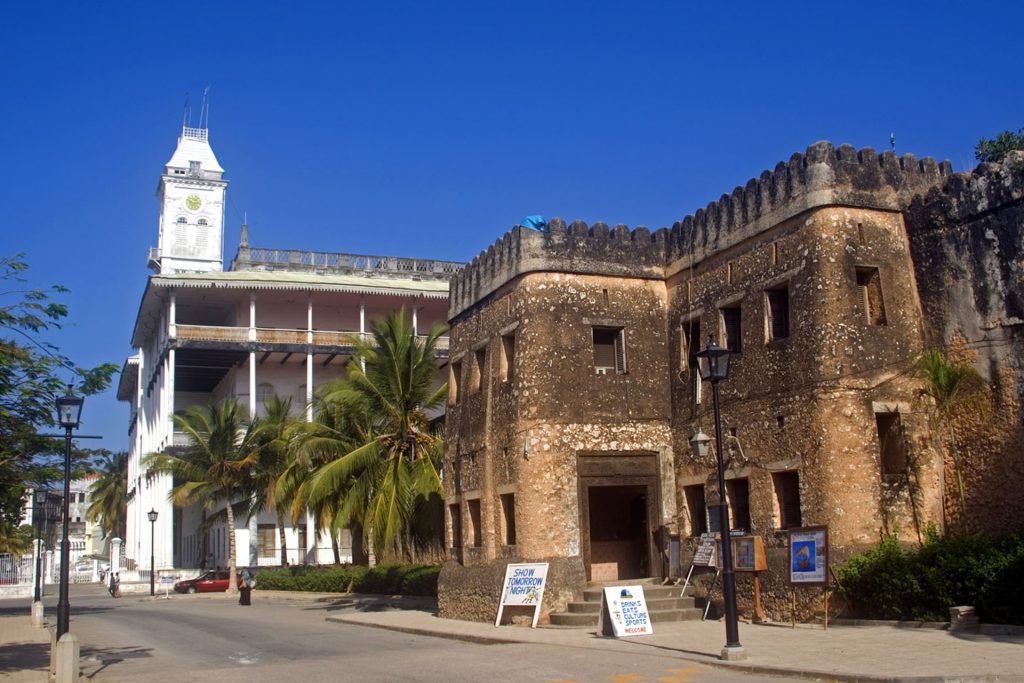
Stone Town Zanzibar: A UNESCO World Heritage City
Understanding Stone Town’s History and Significance
From Omani Sultanate to UNESCO Heritage Site
Stone Town is one of East Africa’s best-preserved examples of Swahili-Arab urban architecture. It developed mainly between the eighteenth and early twentieth centuries. Zanzibar was then the commercial capital of the Omani Sultanate’s East African territories. It also sat at the centre of major Indian Ocean trade networks.
Stone Town’s buildings reflect this wealth and history. Multi-storey coral stone structures define the skyline. Mangrove timber supports upper floors and interior courtyards. Plastered facades and carved wooden doors show merchant wealth and status. The richest families commissioned the most elaborate designs.
This wealth came from cloves, ivory, and the slave trade. These industries produced extreme inequality and suffering. Stone Town’s architecture and slave trade history are inseparable. Visitors must understand both realities together. One cannot be separated from the other.
UNESCO granted World Heritage status in 2000. This recognised Stone Town’s intact historic urban fabric. It also recognised its mixed architectural heritage. Omani, Indian, and African influences shaped the town together. Streets and building patterns remain largely unchanged.
Preservation efforts have improved protection of historic buildings. However, many structures remain privately occupied. Local families often lack funds for proper restoration. This creates ongoing tension between conservation and daily life.
The Slave Trade Memorial and Its Significance
Christ Church Cathedral stands on the site of the last slave market in East Africa. An estimated 600,000 enslaved people passed through Zanzibar. This occurred between 1840 and the abolition in 1873. It was one of the largest slave markets in the Indian Ocean region.
The underground memorial features bronze figures in chains. It was designed by Clara Sornas in 1998. The sculpture represents the lived experience of enslavement. It avoids sanitising or abstracting the suffering.
Below the cathedral are former slave holding chambers. These were dark, overcrowded stone rooms. Many captives died before reaching the auction market. Visiting these chambers is emotionally intense and confronting.
The cathedral altar sits at the site of the whipping post. This is where enslaved people were inspected before sale. Bishop Edward Steere built the cathedral in 1872. It was intended to mark the end of the slave trade.
However, illegal trade continued for years afterward. This creates a complex historical legacy. Guides explain both abolition and continuation honestly. The story is not a simple narrative of closure.
Top Things to Do in Stone Town
Walking Tours, Doors and Markets
Stone Town is best explored on foot with a local guide. Walking tours last about three to four hours. Guides explain architecture, families, and social history in detail. This transforms the experience from visual to historical understanding.
Stone Town’s carved wooden doors are iconic. More than 560 still exist today. Omani doors are square-topped and heavily decorated. Indian merchant doors often feature arched designs.
Symbols on doors communicate meaning. Chains represent trade activity and wealth. Fish symbols indicate prosperity. Lotus motifs reflect Indian merchant influence.
The Old Fort sits near the waterfront. It hosts cultural performances and craft markets. Taarab music is regularly performed here. This genre blends Arabic and Swahili musical traditions.
Taarab performances include live orchestra and vocalists. Audiences may interact through symbolic gestures. The Old Fort is also a relaxed daytime meeting point.
Forodhani Gardens and Evening Street Food
Forodhani Gardens becomes active in the evening. Food stalls operate from around 18:00 to midnight. The area attracts both locals and visitors.
Zanzibar pizza is the most famous dish. It includes egg, vegetables, and meat in flatbread. Grilled octopus and seafood are also widely available. Fresh juices and sugar cane drinks are common.
The atmosphere is lively and social. Families, vendors, and tourists mix in one space. The waterfront breeze adds to the evening experience.
Darajani Market
Darajani Market opens daily from 07:00 to 13:00. It is Stone Town’s main food market. Fish arrives early from the dhow fishing fleet.
Spices, fruits, and vegetables are also sold here. The fish section is busiest in the morning hours. Prices are negotiated directly between traders and buyers.
Guided visits improve understanding of products and trade culture. The market reflects Zanzibar’s Indian Ocean economy. It remains central to daily life in Stone Town.
Where to Stay in Stone Town
Boutique Hotels and Guesthouses
Zanzibar Serena Inn offers seafront views and mid-range comfort. It combines historic architecture with modern facilities. Its terrace pool overlooks the ocean.
Park Hyatt Zanzibar provides five-star accommodation. It occupies a restored historic waterfront building. Rooms combine heritage design with modern luxury standards.
Budget guesthouses are located inland from the waterfront. Prices range from USD 25 to USD 60 per night. They offer basic but atmospheric accommodation.
Zanzibar Coffee House and 236 Hurumzi stand out. They combine history, character, and affordable pricing. These properties offer strong cultural immersion.
Plan Your Safari
Stone Town works best with guided cultural exploration. A local guide enhances understanding of history and architecture. Spice tours and food experiences complete the visit.
African Wild Trekkers includes Stone Town in Zanzibar extensions. The package combines accommodation and guided experiences. Transfers between Stone Town and beach areas are included.
It also includes slave memorial visits and cultural tours. Spice farm visits and evening food experiences are arranged. All logistics are coordinated with safari itineraries.
Contact African Wild Trekkers at africanwildtrekkers.com/contact with your travel dates. We will design your Zanzibar and Stone Town itinerary within 24 hours.