Zanzibar’s Spice Heritage
The History of Spice Farming on the Island
How Zanzibar Became the Spice Island
Zanzibar earned its identity as the Spice Island through Omani agricultural policy under Sultan Said ibn Sultan. He moved his capital from Muscat to Zanzibar Town in 1840. He immediately promoted clove cultivation across the island. This reduced reliance on the declining slave trade economy.
The sultan enforced strict planting rules on landowners. Each property had to plant clove trees alongside coconut trees. This policy rapidly transformed Zanzibar’s landscape. Within a generation, the island dominated global clove production.
At its nineteenth-century peak, Zanzibar produced about 90 percent of the world’s cloves. This dominance continued through the colonial period. After the 1964 Revolution, plantations were nationalized. Productivity declined, but clove farming remained central.
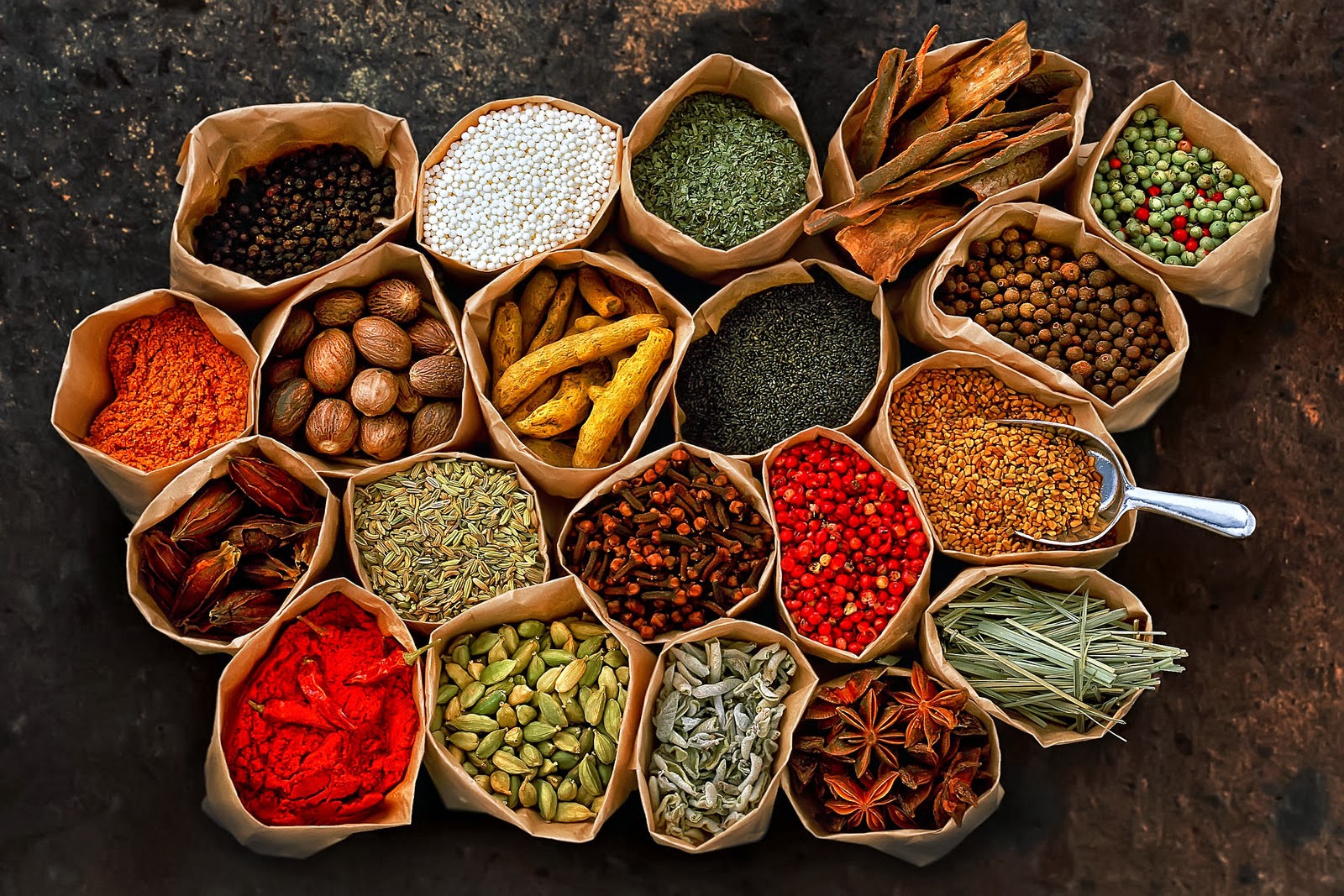
Omani agricultural expansion also introduced nutmeg, cinnamon, pepper, cardamom, lemongrass, ylang-ylang, turmeric, and vanilla. These crops still grow across Zanzibar’s interior farms. They form the basis of modern spice tours. Zanzibar’s climate supports tropical spice cultivation better than mainland East Africa.
What Happens on a Spice Tour
Spice tours usually depart Stone Town between 09:00 and 10:00. The drive takes about 20 kilometers inland. Tours visit farming areas around Kizimbani, Kindichi, and Mahonda. They typically return by early afternoon.
Visitors walk through active spice farms with local guides. Guides break leaves, bark, and fruit to release aromas. This creates a direct sensory experience of fresh spices. Most visitors recognize these scents from kitchen use but not in raw form.
Fresh cinnamon, cloves, and nutmeg produce strong sensory impressions. Each plant smells and tastes different from processed versions. Guides explain traditional medicinal uses of each spice. They also explain their role in Swahili cuisine and history.
A good guide connects each plant to Zanzibar’s history. Clove production links directly to plantation systems and colonial trade. The experience becomes both agricultural and historical. It is not only a botanical walk.
The Spices You Will Encounter
Cloves, cinnamon, and Vanilla
Cloves are the most important Zanzibar spice. They come from the clove tree’s unopened flower buds. These buds are harvested before they bloom. They are essential in pilau, biryani, and chai.
During flowering season, clove trees release a strong aroma. The scent fills the air around plantations. Guides demonstrate harvesting methods during tours. They also explain seasonal labor cycles from July to November.
Cinnamon in Zanzibar is usually Ceylon cinnamon. It differs from cassia cinnamon found in supermarkets. It has a lighter, more delicate flavor profile. Guides strip bark directly from living branches for demonstration.
Vanilla is a climbing orchid introduced from Central America. It requires manual pollination in Zanzibar. Guides often demonstrate hand pollination techniques. This shows how labor-intensive vanilla farming is.
Tropical Fruits and Medicinal Plants
Spice tours also include tropical fruit tasting. Common fruits include jackfruit, breadfruit, soursop, and starfruit. Mango and citrus varieties are also widely available. Fresh tasting gives a direct farm-to-table experience.
Jackfruit is eaten raw from the tree. Breadfruit is often roasted over charcoal. Soursop is served fresh and unprocessed. These fruits highlight Zanzibar’s agricultural diversity.
Guides often explain fruit names in Swahili and Arabic dialects. This reflects Zanzibar’s mixed linguistic heritage. The experience connects language, culture, and agriculture.
Tours often end with spice processing demonstrations. Visitors see grinding, coconut pressing, and spice mixing. Pilau spice blends are often prepared on site. These recipes can be recreated at home.
Booking and Practical Information
How to Arrange a Spice Tour
Spice tour quality varies widely across Zanzibar. Some tours are basic farm walks with simple explanations. Others include deeper historical and cultural interpretation. The guide’s knowledge is the key factor.
Prices usually range from USD 25 to USD 50 per person. A higher price does not always mean better quality. Guide experience matters more than itinerary length. Always confirm guide credentials before booking.
Avoid combining spice tours with Jozani Forest visits. Both require adequate time for proper exploration. Combined tours often feel rushed and incomplete. Separate half-day visits deliver better experiences.
Plan Your Safari
A Zanzibar spice tour offers strong cultural and sensory value. It works best with knowledgeable guides and structured planning. It adds depth to a Zanzibar Island experience.
African Wild Trekkers arranges spice tours with vetted local guides. These tours are combined with Stone Town and beach experiences. All logistics are coordinated within the Zanzibar extension package.
The package also includes transfers, accommodation, and additional island activities. It connects seamlessly with Kenya and Tanzania safari circuits.
Contact African Wild Trekkers at africanwildtrekkers.com/contact with your travel dates. We will design your Zanzibar spice tour experience within 24 hours.