Kilimanjaro Serengeti Zanzibar: Tanzania’s Three-in-One Epic Journey
No other country on earth offers the combination that Tanzania puts within reach of a single trip: the world’s highest freestanding mountain, the planet’s greatest wildlife spectacle, and one of the Indian Ocean’s most storied islands. Kilimanjaro, the Serengeti, and Zanzibar each occupy a distinct place in the global imagination — they are individually iconic destinations that most travellers dream of visiting once in a lifetime. Tanzania’s geography places them within a relatively compact arc of the country that, with efficient logistics, makes visiting all three as part of a single journey not just possible but genuinely practical.
The three-in-one combination has an internal logic that goes beyond convenient geography. Climbing Kilimanjaro is a physically demanding achievement that leaves you tired, trail-worn, and ready for rest. Transitioning to the Serengeti provides active wildlife engagement at a pace that requires nothing more strenuous than sitting in a safari vehicle — a perfect physical recovery while keeping the adventurous energy of the trip alive. Ending in Zanzibar provides the beach and relaxation that the body genuinely craves after seven or eight days of altitude, cold, and game drive intensity. The sequence — mountain, wildlife, ocean — flows naturally and leaves most travellers feeling their Tanzania trip achieved a completeness that single-destination or two-element itineraries cannot match.
Kilimanjaro: The First Leg
Planning Your Summit Attempt as Part of a Longer Itinerary
Route and Duration Choice for a Three-in-One Trip
If Kilimanjaro is the opening act of your Tanzania three-in-one, route and duration choice matters more than if you were doing the climb as a standalone trip. The most important consideration is selecting a route with sufficient acclimatisation days to give you a realistic summit chance while fitting the total climb within the time you have available. For a three-in-one itinerary of three weeks total, a seven-day Lemosho route gives you the best combination of acclimatisation quality and summit success rate. The additional three summit approach and descent days fit neatly into an overall trip structure that leaves fourteen days for the Serengeti and Zanzibar legs.
The Lemosho route is the recommended choice for three-in-one travellers because it begins on the quieter western slopes, passes through dramatic moorland, alpine desert, and arctic summit zone ecosystems, and allows the gradual altitude progression that maximises your physical readiness for the summit push. It is also less crowded than the Machame route, which matters when you are managing summit energy in the context of a longer trip and do not want the fatigue of navigating around other climb groups on the final ascent. Your Kilimanjaro operator arranges all camping, meals, porterage, and guide services on the mountain — you arrive at the gate with your personal gear and the mountain team handles everything else.
Post-Climb Recovery Before Safari
One element that many first-time three-in-one travellers underestimate is the recovery time needed after descending Kilimanjaro before starting game drives. A successful summit and descent leaves most climbers with tired legs, potential blisters, disrupted sleep from altitude, and general physical fatigue that makes sitting comfortably in a safari vehicle for six to eight hours somewhat less enjoyable than it would be after a rest day. Building a single night at a comfortable Arusha hotel between Kilimanjaro descent and Serengeti departure is one of the highest-value additions to any three-in-one itinerary. It allows a proper shower, laundry, meal in a restaurant, and a full night’s sleep on a flat surface before the safari phase begins.
The rest day also serves as a logistical buffer. Kilimanjaro descents do not always occur exactly on schedule — weather, altitude sickness, or unexpected group pace variations can push arrival back by half a day. A buffer day before the Serengeti departure removes the anxiety of a rushed transition. It also allows your Arusha hotel to manage any equipment logistics — having wet gear dried and safari clothes packed — without pressure. Most Kilimanjaro and safari operators who specialise in three-in-one itineraries automatically include this buffer day in their recommended trip structures.
Serengeti: The Middle Act
Timing Your Safari After Kilimanjaro
How Long in the Serengeti for a Three-in-One Itinerary
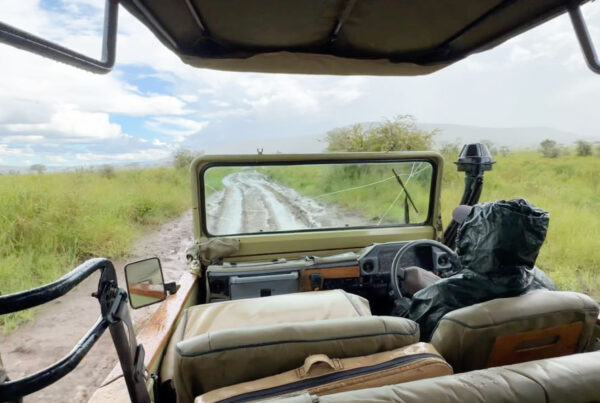
After the physical intensity of Kilimanjaro, the Serengeti provides a visceral counterpoint: you do nothing except observe extraordinary wildlife from the comfort of a safari vehicle. Four to five nights in the Serengeti ecosystem — including Ngorongoro Crater and Tarangire as part of the standard northern circuit — represents the ideal length for a three-in-one trip. This gives sufficient time to experience multiple game drive environments, see the major species, and encounter the Serengeti’s shifting moods across different times of day and weather conditions, without extending the Tanzania stay beyond what three weeks can comfortably accommodate.
The wildlife viewing quality in the Serengeti for post-Kilimanjaro guests is exactly the same as for any other safari guest — the mountain does not grant or restrict access to wildlife experiences. What differs is the mindset: after pushing yourself to the limits of physical endurance on the mountain, the Serengeti’s passive witnessing of extraordinary natural events feels profoundly restful and fulfilling simultaneously. Many three-in-one travellers describe the safari section as the most emotionally resonant part of their Tanzania journey, perhaps because the contrast with Kilimanjaro’s physical demands amplifies the impact of sitting quietly while a lion family operates twenty metres from the vehicle in the golden afternoon light.
Ngorongoro Crater as a Three-in-One Essential
Including Ngorongoro Crater in the Serengeti section of a three-in-one itinerary is strongly recommended. The crater provides the best opportunity in Tanzania for completing the Big Five on a shorter safari allocation, as its enclosed ecosystem concentrates lions, elephants, buffalo, black rhino, and occasional leopards within a readily drivable area. For three-in-one travellers whose safari days are limited by the overall trip length, the crater’s consistent game density maximises sighting quality per game drive day more reliably than the same time spent anywhere else on the northern circuit. A single full-day crater descent, combined with three or four Serengeti days, gives most guests a complete and satisfying safari experience within the constraints of a three-part Tanzania trip.
The logistics of crater access require advance booking — operators must book descent permits in advance and premium morning slots sell out months ahead during peak season. Your operator should book these simultaneously with accommodation rather than attempting to arrange them closer to the date. The crater floor experience is remarkable regardless of season, but the dry months from June through October offer the clearest visibility and the best predator activity around the permanent crater floor waterholes.
Zanzibar: The Final Act
Beach and Rest After Mountain and Safari
How Much Time on Zanzibar in a Three-in-One Trip
After Kilimanjaro’s physical demands and the Serengeti’s stimulating intensity, Zanzibar functions as the decompression chamber that allows a three-in-one journey to end on a note of pure relaxation and sensory pleasure. Four to five nights on the island gives enough time to settle into a beach resort, explore Stone Town’s historic labyrinth for a day, visit a spice farm, snorkel the offshore reefs, and eat your way through the best of Zanzibari seafood before flying home. Shorter stays of two to three nights are common in faster-paced three-in-one itineraries and still deliver the essential Zanzibar experience. However, a single day in Stone Town and two or three beach days leaves little margin for the relaxed exploration that distinguishes a memorable Zanzibar visit from a rushed transit.
The east coast beaches of Zanzibar — Paje, Jambiani, and Matemwe — are generally preferred by independent travellers for their undeveloped character, excellent snorkelling, and lower prices relative to the more tourist-developed north coast at Nungwi and Kendwa. Both coasts are beautiful and the right choice depends on priorities: the north coast offers calmer water for swimming year-round and livelier beach bar culture, while the east coast has the dramatic tidal flats at low tide and a quieter, more secluded atmosphere. For three-in-one travellers ending a physically demanding journey, the east coast’s slower pace often fits better than the more energetic north.
Stone Town: A Mandatory Half-Day at Minimum
No Zanzibar stay, regardless of length, should omit at least a half-day in Stone Town. The old quarter of Zanzibar City is a UNESCO World Heritage Site and one of the most architecturally and historically fascinating urban environments in Africa — its narrow lanes lined with carved wooden doors, Arab-influenced buildings, the old slave market, and the spice trader warehouses carry layers of history that make even a short exploration genuinely illuminating. The Forodhani Gardens waterfront food market, best visited at sunset and into the evening, is the ideal way to experience Zanzibar’s food culture after a Stone Town walk, combining atmospheric location with excellent street food at low prices.
A half-day Stone Town tour with a knowledgeable local guide covers the main historical sites — the House of Wonders, the Anglican Cathedral built on the site of the old slave market, the Old Fort, and a selection of historic merchant houses — and provides context that makes the visual environment comprehensible rather than just picturesque. Most Zanzibar beach resorts arrange Stone Town day trips for guests with hotel transfers included. Your safari operator can arrange this as part of the overall three-in-one itinerary so it is confirmed before you arrive rather than arranged on the spot.
Three-in-One Logistics: How to Sequence and Connect
Flights, Timing, and Overall Trip Structure
The Three-Week Structure That Works Best
A three-week Tanzania trip is the ideal total length for a well-paced Kilimanjaro, Serengeti, and Zanzibar combination. Seven days on the mountain (Lemosho route), one recovery day in Arusha, five days on northern circuit safari including Ngorongoro, a short flight from Arusha or Kilimanjaro Airport to Zanzibar, and five days on the island provides a balanced experience of all three elements without rushed transitions. Twenty-one days is achievable for most travellers combining annual leave with public holidays, and it leaves most guests feeling they had enough time at each destination rather than constantly wishing for more days.
Shorter versions of the three-in-one trip are possible — two weeks is the minimum that allows a seven-day Kilimanjaro attempt with any meaningful safari and beach time — but they require accepting shorter stays at each destination and tighter logistics. The connecting flights between Kilimanjaro, Arusha, and Zanzibar are well-served by Precision Air, Air Tanzania, and Coastal Aviation with daily departures, and your operator manages all domestic air connections as part of the integrated itinerary. International arrival into Kilimanjaro Airport or Dar es Salaam (for a Zanzibar start) and departure from Zanzibar or Kilimanjaro covers the overall journey without needing to pass through the same airport twice.
Plan Your Safari
The Kilimanjaro, Serengeti, and Zanzibar three-in-one trip requires coordinated booking of multiple components — Kilimanjaro climb permits and crew, Serengeti and crater accommodation, domestic connecting flights, and Zanzibar hotel — all aligned around your international flight arrival and departure dates. This coordination is most effectively handled by a single Tanzania operator who manages the full trip rather than booking each element separately, as timing dependencies between the three legs require end-to-end visibility of the complete itinerary.
African Wild Trekkers designs and operates complete Kilimanjaro, Serengeti, and Zanzibar combination itineraries, managing every component from mountain crew to safari vehicle to Zanzibar beach hotel in a single integrated package. Itineraries are tailored to your specific dates, fitness level, and accommodation preferences, with all domestic logistics handled by the team. All reservations are confirmed in writing before any deposit is requested.
Contact African Wild Trekkers at africanwildtrekkers.com/contact with your preferred Tanzania travel dates and we will design your three-in-one itinerary and confirm full availability within 24 hours.