Kilimanjaro Zanzibar: Africa’s Most Rewarding Summit-to-Beach Combo
Kilimanjaro and Zanzibar: The Perfect Summit-to-Beach Tanzania Experience
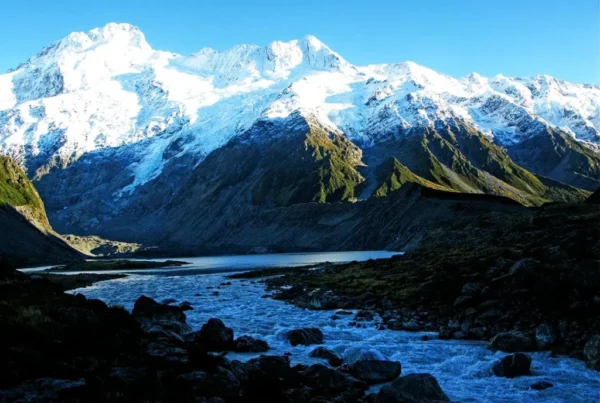
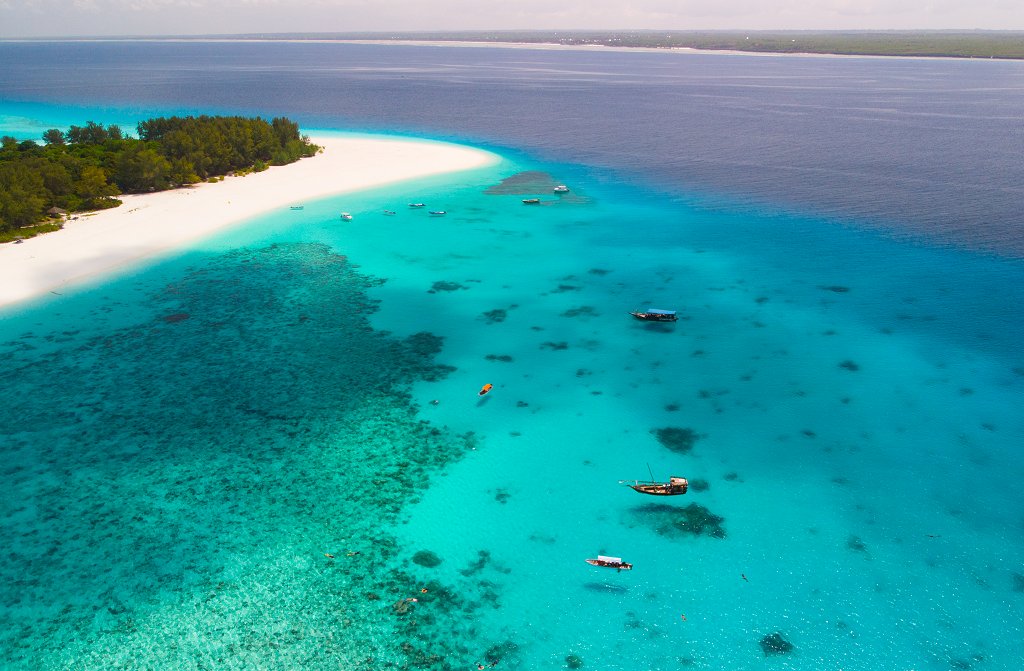
The combination of Kilimanjaro and Zanzibar is one of Africa’s most instinctively satisfying travel itineraries. Climbing Africa’s highest peak and recovering on a tropical Indian Ocean island creates a sequence of experiences that feel designed for each other. The physical demand and cold of the mountain give way to the warmth and rest of the beach. The volcanic rock and ice of the summit dissolve into the coral and white sand of Zanzibar’s coast. The achievement of Uhuru Peak is celebrated in one of Africa’s most beautiful beach environments. No single Tanzania experience does justice to the country’s full range of offerings. The summit-to-beach combination does.
Why Kilimanjaro and Zanzibar Work Together
The logistics and experiential fit between Kilimanjaro and Zanzibar are among the cleanest of any Tanzania combination. This makes the itinerary as practical as it is appealing.
The Physical Recovery Argument
Every climber who descends from Kilimanjaro needs physical recovery time. The summit push alone involves nine to twelve hours of sustained effort at extreme altitude. The preceding six to eight days of trekking accumulate fatigue in the legs, immune system, and mental reserves. A single rest night in Moshi does not fully address this. Zanzibar provides ideal recovery conditions: warm temperatures that help the body return to normal thermal regulation. And the salt water of the Indian Ocean that soothes tired muscles. The nutritious fresh seafood of the island’s coast and the genuine luxury of doing nothing more demanding than reading on a beach complete the recovery. Three to five days on Zanzibar restores climbers to functional normality. It creates the recovery window that allows the trip to end on a note of relaxation rather than accumulated exhaustion.
The timing also works well physiologically. Altitude acclimatization produces elevated red blood cell production that persists for several weeks after returning to sea level. Many Kilimanjaro summiteers find that the days immediately after descending are characterized by unusual physical vitality and energy once the initial fatigue dissipates. The combination of residual altitude-adapted blood composition and the complete relaxation of beach days creates a distinctive physical state. Regular travelers find it difficult to replicate in any other context.
The Logistics Connection
Regular direct flights connect Zanzibar to mainland Tanzania from Dar es Salaam and Arusha. From Kilimanjaro International Airport or Arusha’s small airport, the connection to Zanzibar either routes via Dar es Salaam with a short domestic connection or takes a direct charter or scheduled flight to Zanzibar’s international airport. Total travel time from Moshi to Zanzibar’s beach hotels is typically four to six hours door-to-door. This makes it entirely feasible to descend the mountain in the morning and rest in Moshi overnight. And reach a beachfront hotel on Zanzibar by early afternoon the following day. The transition is seamless enough that many climbers find the first sight of Zanzibar’s turquoise water from the approach flight startlingly close in time to the glaciers they stood on two days earlier.
Stone Town, Zanzibar’s historic UNESCO World Heritage old city, adds a cultural dimension to the beach recovery that purely resort beach destinations cannot match. The narrow alleyways of the old city, its Arabic and Omani architectural heritage, the spice markets, and seafront restaurants. And the colonial history that shaped the island’s extraordinary cultural mix creates a setting of genuine depth. Walking Stone Town’s streets for an afternoon between beach days or visiting a spice farm engages the mind while the body rests. An early morning snorkeling trip to the coral gardens of the northeast coast creates variety that extends the appeal well beyond simple sunbathing.
Itinerary Options: How Many Days, Where
The right balance between mountain days and beach days depends on available total trip length and individual priorities. Both components deserve adequate time to deliver their full value.
The 12-Day Minimum: Lemosho Plus Zanzibar
A 12-day itinerary allocates eight days to the Lemosho Route climb, including the acclimatization day, one post-descent rest night in Moshi, and three nights on Zanzibar. This is the minimum that does both components reasonable justice. The eight-day Lemosho gives the best summit probability on a reasonable timeframe. Three nights on Zanzibar provides enough beach time to genuinely recover and relax without the beach section feeling like a brief appendix to the mountain experience. Zanzibar in three nights is enough for Stone Town exploration, a coral snorkeling trip, and two full beach days. It is a meaningful if compressed beach experience.
Travelers with 12 days should choose Zanzibar beach accommodation carefully. Select a property on the island’s east coast beaches. Paje, Jambiani, or Matemwe. Which offer the finest sand and swimming conditions. These are preferable to the more convenient but less impressive accommodation near Stone Town on the west coast. A single night in Stone Town at the start of the Zanzibar section and two nights at an east coast beach resort creates the most satisfying 12-day Kilimanjaro-Zanzibar experience within the time constraint.
Adding Safari: The 16-Day Tanzania Complete
The most popular Kilimanjaro extension adds Serengeti and Ngorongoro safari days between the mountain descent and the Zanzibar beach. A 16-day version allocates eight days to Lemosho, one Moshi rest night, three Serengeti game drive days, one Ngorongoro crater descent day, and three Zanzibar beach nights. This three-part itinerary—mountain, safari, and beach—is widely regarded as Tanzania’s definitive travel experience. It covers every major aspect of what the country uniquely offers. The mountain provides physical achievement, the safari provides wildlife spectacle, and the beach provides recovery and luxury. Each section is distinct in character, and each enhances the impact of the others by contrast.
A 16-day Tanzania itinerary is achievable for most international travelers within a three-week leave allowance, including international travel days. It represents genuine value relative to the alternatives because all three component experiences are world-class without requiring separate international flights to separate destinations. The entire itinerary—Kilimanjaro, Serengeti, Ngorongoro, and Zanzibar—operates within Tanzania with only domestic flight connections. This simplifies logistics significantly compared to multi-country combinations that require additional visas and international routing.
Plan Your Safari
Kilimanjaro-Zanzibar combination bookings should go in at least three to four months ahead for peak season dates. Zanzibar’s best beachfront properties fill well in advance during the European and North American school holiday periods. These periods overlap with Kilimanjaro peak season, and securing preferred accommodation requires early booking as much as the mountain elements do.
African Wild Trekkers designs and operates Kilimanjaro-Zanzibar combinations as fully integrated single itineraries. All components are booked, all transfers are arranged, and a single point of contact is available throughout the entire trip. African Wild Trekkers selects mountain and beach accommodation for quality, location, and value at each price point. Safari extensions through the Serengeti and Ngorongoro are available for any Kilimanjaro-Zanzibar package.
Contact African Wild Trekkers at africanwildtrekkers.com/contact with your preferred travel dates and available days, and we will design the perfect Tanzania summit-to-beach itinerary within 24 hours.