Kilimanjaro Wildlife: Animals You Can See on the Slopes of the Mountain
Wildlife on Kilimanjaro: What Animals Live on Africa’s Highest Mountain?
Most people think of Kilimanjaro as a mountain rather than a wildlife destination. The focus on altitude, acclimatization, and summit success that dominates pre-climb information reinforces this perception. The reality is that Kilimanjaro National Park’s lower slopes support a remarkable diversity of wildlife in forest and moorland habitats. Most climbers pass through these zones without fully appreciating what lives there. The mountain’s tropical rainforest zone occupies the first day and a half of most southern approach routes. It is a genuine wildlife habitat with primate populations, large mammal presence, and over 170 species of birds. Understanding what wildlife lives on Kilimanjaro enhances the entire climb experience. It transforms early trekking days from acclimatization walks into active natural history observations.
Rainforest Zone Wildlife
The lower forest zone on Kilimanjaro’s slopes, between approximately 1,800 and 2,800 meters elevation, supports the mountain’s highest wildlife diversity. This Afro-montane forest receives more rainfall than any other zone on the mountain. It supports a dense understory and tall canopy that provides habitat for a range of species not found higher on the mountain.
Primates
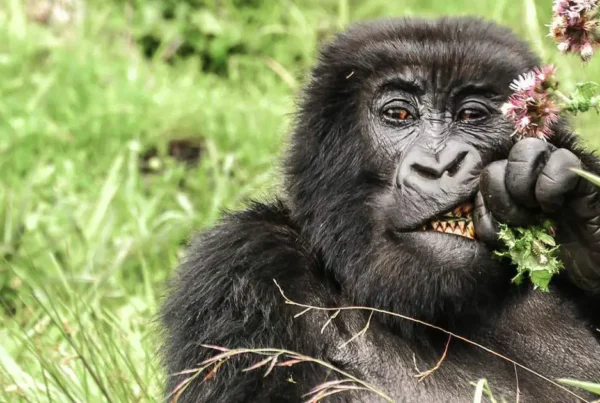
Black-and-white colobus monkeys are the most frequently encountered and most visible primates on Kilimanjaro. These striking animals—with their long white cape fur and dramatic black body coloration. And long-flowing tails move through the rainforest canopy in groups that can number 20 or more individuals. Colobus monkeys are commonly seen on the Lemosho Route’s Big Tree Camp section. The ancient forest there provides the tall podocarpus and Hagenia trees they prefer. Their loud alarm calls carry through the forest and often alert climbers to their presence before they are visible. Unlike many East African primates, colobus monkeys are non-aggressive toward humans. They are habituated enough to climbing traffic that they often observe passing groups with obvious curiosity from the canopy edge.
Blue monkeys and guereza monkeys are also present in Kilimanjaro’s forest zone, though in lower densities than colobus. Olive baboons range through the lower forest margins and are occasionally encountered at camp sites. They have learned to associate human activity with food opportunities. A reminder to store food carefully and not leave packed items unattended where baboon presence is known. Bushbabies inhabit the lower forest and are occasionally heard at night. Their distinctive crying calls are more commonly detected than the animals themselves are seen. A torchlight scan of the forest edge after dark sometimes reveals the eye shine of these nocturnal primates in the vegetation at the camp perimeter.
Larger Mammals
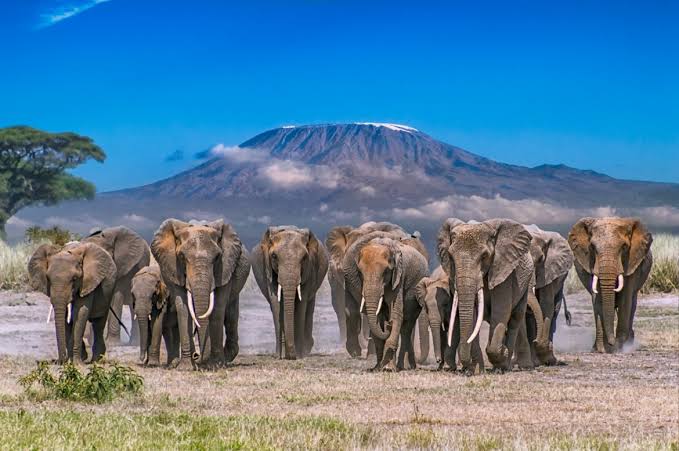
Buffalo, elephants, and leopards are present in Kilimanjaro’s lower forest zone. They are far less commonly encountered than the primates because they range over larger territories and are more wary of human presence on the heavily trafficked climbing routes. The buffalo sign—footprints, droppings, and wallow holes—is frequently observed on forest trails. Fresh signs sometimes indicate recent passage, but visual encounters are infrequent. Elephants move through the lower forest on seasonal circuits that can bring them into close proximity to climbing routes. Their presence is sometimes announced by the deep rumbles of long-distance communication that carry through the forest well before the animals themselves become visible.
The leopard is Kilimanjaro’s most elusive large mammal and the one most often mentioned with surprise when encountered. These cats range through the forest zone and occasionally into the lower moorland. They have been photographed at elevations above 5,000 meters. A reminder that leopards are the most altitudinally adaptable of Africa’s large cats. A famous frozen leopard carcass was discovered near Kilimanjaro’s crater rim at over 5,500 meters. It was immortalized in Ernest Hemingway’s “The Snows of Kilimanjaro” and remains unexplained. Sightings on active climbing routes are extremely rare. But the knowledge of their presence adds an additional dimension of wildness to the forest sections that other mountains cannot match.
Moorland and Alpine Zone Wildlife
As elevation increases above the forest line, wildlife diversity decreases. The species present become increasingly distinctive to the high-altitude East African environment.
Moorland Species
The moorland zone between 2,800 and 4,000 meters supports several species adapted to the cooler, drier conditions of the high plateau. Eland—Africa’s largest antelope—are occasionally encountered on the Shira Plateau and surrounding moorland. They have moved up from the lower forest margins in search of the short moorland grasses that grow here. Their presence at these elevations surprises many climbers who associate this massive antelope species with lowland savannah rather than high-altitude heathland. Small herds of zebra have also been recorded at moorland elevations, though their presence is seasonal and dependent on rainfall patterns that influence grass availability.
Cape buffalo sometimes push into the lower moorland zone during the dry season when forest grazing becomes scarce. Fresh signs on Shira Plateau trails are not uncommon. White-necked ravens are a constant presence at all elevations from forest margin upward, scavenging camp waste and food scraps with the intelligence and persistence characteristic of their family. They are among the highest-altitude birds recorded on Kilimanjaro and have been observed at the crater rim. Mountain chats and alpine swifts are also commonly seen in the moorland and lower alpine zones, hawking insects in the clear moorland air during the warmer hours of the day.
Birdlife Across All Zones
Kilimanjaro’s birdlife provides a consistent natural history thread across all climbing elevations. The forest zone holds over 100 bird species, including crowned hornbills; Hartlaub’s turacos with their crimson wing flashes visible as they move through the canopy; and African hill mynahs. And various sunbird species feeding at the forest’s flowering shrubs. The moorland holds the scarlet-tufted sunbird—an Afro-alpine species adapted specifically to the giant lobelias of the high moorland. Various larks, pipits, and cisticolas also inhabit the open grassy areas between the heather trees.
The alpine desert zone above 4,000 meters supports fewer bird species. The ones present are notable: augur buzzards soar on thermals at remarkable elevations. And alpine swifts have been recorded above 5,000 meters. The crater rim zone holds virtually no permanent wildlife beyond the occasional raven. Lammergeier bearded vultures have been recorded at high altitude on Kilimanjaro. Taking binoculars on the climb is undervalued by most first-time Kilimanjaro climbers who focus on summit preparation rather than natural history. Those who bring them consistently report that the birdlife and primate encounters in the forest zone add a dimension of wildlife engagement to the lower mountain days that makes the full climb more rewarding.
Plan Your Safari
Wildlife encounters on Kilimanjaro are most concentrated in the forest zones of the first one to two days of any southern approach route. The Lemosho Route’s remote Londorossi Gate approach spends the most time at forest elevation. This makes it the route most likely to deliver primate, bird, and large mammal encounters during the early climb days. Guides with natural history knowledge significantly enhance the wildlife observation quality during these forest sections.
African Wild Trekkers assigns guides with natural history training to all Kilimanjaro climbs. This ensures that the mountain’s wildlife and botanical highlights receive appropriate attention alongside the altitude management and route logistics that dominate most climb briefings. You can extend Kilimanjaro packages with Tanzania safari experiences in the Serengeti and Ngorongoro. And Amboseli to create a complete wildlife itinerary that covers both mountain and plains species.
Contact African Wild Trekkers at africanwildtrekkers.com/contact with your Kilimanjaro and wildlife interests, and we will design the right mountain and safari combination within 24 hours.