Pate Island Kenya: The Hidden Ruins of the Lamu Archipelago
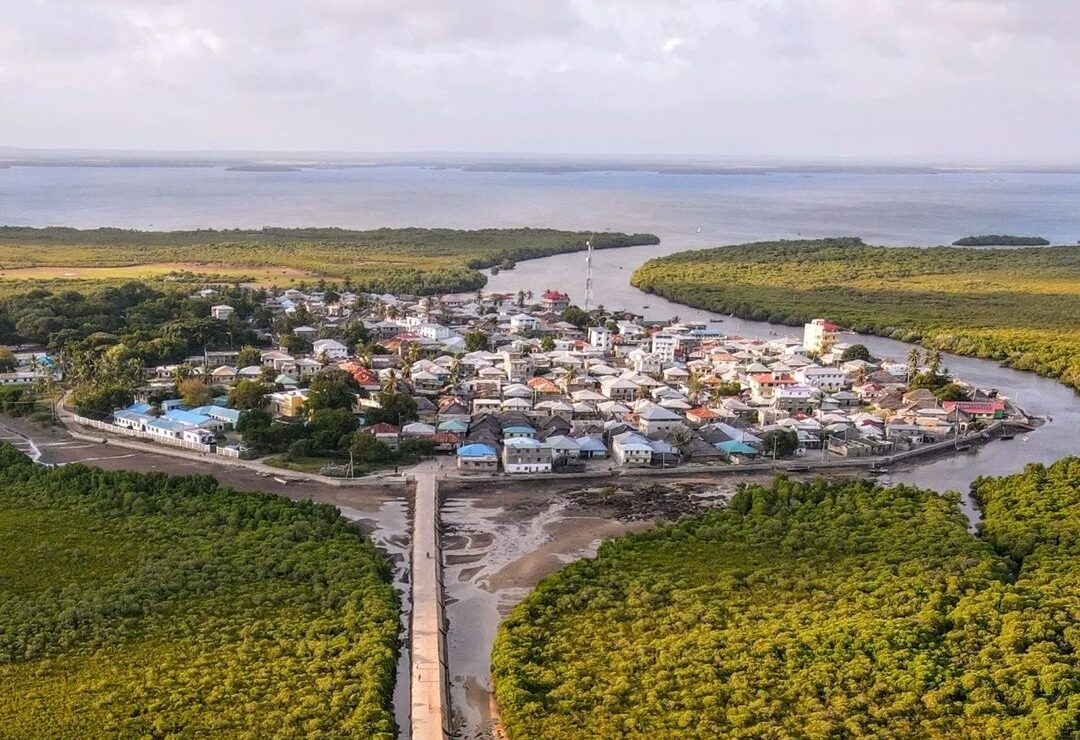
Pate Island Kenya is the most historically significant and least visited island in the Lamu Archipelago. This large island 25 kilometres north of Lamu holds three ancient Swahili town sites including Pate town, Siyu, and Faza. Pate Island Kenya town was one of the most powerful Swahili trading cities on the East African coast from the 13th to 17th centuries. Portuguese galleons bombarded Pate Island Kenya repeatedly during the 16th century to break the town’s resistance to colonial control. The ruins of Pate Island Kenya’s ancient town walls, mosques, and pillar tombs survive in the forest overgrowth. Reaching Pate Island Kenya from Lamu requires a full day by motorboat and represents Kenya’s most adventurous coast day trip.
Pate Island Kenya covers approximately 60 square kilometres of mangrove forest, tidal flats, and elevated sandy ridge sections. The island has no motorised vehicles and no paved roads. Pate Island Kenya communities travel between settlements by foot, donkey, and small wooden boat. The time required to reach Pate Island Kenya from Lamu means most visitors spend two to three days on the island rather than a day trip. Staying on Pate Island Kenya in basic guesthouse accommodation immerses visitors in the most traditional Swahili community lifestyle available in Kenya.
Pate Island Kenya History and Ruins
Pate Town Ruins on Pate Island Kenya
The ruins of old Pate town on Pate Island Kenya are partly overgrown with forest and partly occupied by the modern settlement. Ancient house foundations, mosque walls, and cisterns survive among the current community buildings. Pate Island Kenya guides from the local community can distinguish original medieval structures from more recent additions. The Nabahani ruins on Pate Island Kenya represent the most architecturally significant surviving structure. This royal enclosure dates from the 14th century and marks the location of the Pate Island Kenya sultans’ palace complex. Carved stucco panels survive in fragments on some Nabahani ruin walls at Pate Island Kenya.
Pate Island Kenya archaeology has produced Chinese celadon porcelain, Syrian glass, and Indian carnelian beads from the old town excavations. These trade good finds at Pate Island Kenya parallel the discoveries at Gede and Mombasa old town. The consistency of this Indian Ocean trade ceramic pattern across all Swahili coast sites demonstrates the commercial network that connected Pate Island Kenya to the wider Indian Ocean world. The National Museums of Kenya have conducted systematic Pate Island Kenya archaeological surveys but full excavation has not been completed at the site. The subsurface archaeology potential of Pate Island Kenya is considered very significant by East African historians.
Siyu Fort on Pate Island Kenya
Siyu village on Pate Island Kenya holds the most complete surviving historical fort on the Lamu Archipelago. The Siyu Fort on Pate Island Kenya was built by Omani Arabs in the 19th century to defend the settlement from competing coastal powers. The coral stone Siyu Fort on Pate Island Kenya has survived in remarkably intact condition due to the island’s isolation. The interior of the Siyu Fort on Pate Island Kenya includes a residential tower, courtyard, and corner bastions. The view from the Siyu Fort Pate Island Kenya tower over the surrounding mangrove landscape is extraordinary. Siyu village today has a population of approximately 3,000 and maintains traditional craftwork including elaborate woodcarving and embroidery.
The woodcarving tradition at Siyu on Pate Island Kenya is considered one of the finest on the East African coast. Siyu carvers produce intricately decorated door panels, chests, and mosque furniture using local and imported hardwoods. These Pate Island Kenya Siyu woodcarving pieces are sought by collectors and museums worldwide. Purchasing Pate Island Kenya Siyu woodwork directly from the carver supports a craft tradition that has survived centuries of political and economic change. A Pate Island Kenya Siyu village visit includes time at the workshop of an active carver, the fort, and the old mosque. This combination delivers the most complete understanding of Pate Island Kenya Siyu community cultural life available to any visitor.
Getting to Pate Island Kenya
Transport to Pate Island Kenya
Pate Island Kenya is reached from Lamu by motorboat in three to four hours. The boat travels through the open channel north of Lamu before entering the sheltered tidal channels of the archipelago. A public boat service runs from Lamu jetty to Pate Island Kenya most mornings. Private dhow or speedboat charter from Lamu provides more flexible Pate Island Kenya departure times. Speedboat charter to Pate Island Kenya takes two hours versus four hours for a motorised dhow. The dhow option provides a more authentic Pate Island Kenya travel experience while the speedboat maximises time on the island.
Accommodation on Pate Island Kenya is limited to basic community guesthouses in Pate town and Siyu village. These Pate Island Kenya guesthouses provide a bed, mosquito net, and simple meals from whatever the family is cooking. Electricity on Pate Island Kenya runs from solar panels or a community generator operating for limited hours. Visitors to Pate Island Kenya must carry cash as no ATM or card payment facility exists on the island. Comprehensive supply preparation from Lamu before departure ensures adequate provisions for a comfortable Pate Island Kenya stay. Most Pate Island Kenya visitors describe their stay as deeply satisfying precisely because of its simplicity.
Walking on Pate Island Kenya
Walking between settlements on Pate Island Kenya is the primary mode of visitor movement. The path from the landing jetty to Pate town takes 30 minutes on a sandy trail through low forest. The walk from Pate town to Siyu on Pate Island Kenya takes two hours through mangrove forest and along the tidal channel edge. A local Pate Island Kenya guide is essential for navigating between settlements across the tidal channels and mangrove tracks. The Pate Island Kenya tidal channels can cut off walking routes during high tide. A Pate Island Kenya guide knows the safe crossing windows and alternative routes for every tidal condition.
Bird watching on the Pate Island Kenya walking routes is excellent throughout the day. African mangrove kingfisher inhabits the mangrove channels along the Pate Island Kenya tidal routes. Crab plover flocks feed on the exposed tidal flats adjacent to the Pate Island Kenya walking paths. African fish eagle calls from mangrove trees throughout the Pate Island Kenya walking trail sections. Reef heron hunts in the shallow water of the Pate Island Kenya tidal flats alongside the walking route. These Pate Island Kenya bird species complement the historical and cultural dimensions of the island visit with rewarding wildlife encounters at every stage of the walk.
Plan Your Safari
Plan a two-night Pate Island Kenya stay to cover Pate town ruins, the Siyu Fort walk, and the mangrove channel transit at leisure. Depart Lamu by early morning motorboat to arrive at Pate Island Kenya before midday. Carry all cash, provisions, and medication needed for the full stay as the island has no resupply facilities.
African Wild Trekkers designs Lamu Archipelago itineraries that include Pate Island Kenya for clients seeking the most immersive northern Kenya coast experience. We arrange boat transport, community guesthouse accommodation, and local walking guides for Pate Island Kenya multi-day visits.
Contact African Wild Trekkers to plan your Pate Island Kenya visit. We respond within 24 hours and design Lamu Archipelago itineraries that combine Lamu town, dhow sailing, and the extraordinary historical and natural environment of this remarkable island.