Where to See Africa’s Big Five on a Budget: Country-by-Country Cost Comparison
The Big Five — lion, leopard, elephant, buffalo, and rhinoceros — are present in multiple African countries, and the cost of seeing all five varies enormously depending on which country and which parks you choose. The least expensive Big Five country safari can cost under $200 per person per day all-inclusive; the most expensive approaches $2,000. Understanding why this variation exists, which countries offer the best value at different budget levels, and what trade-offs accompany the cheaper options helps travelers make informed decisions that maximise their wildlife experience within their financial constraints.
What Determines Big Five Safari Cost
Safari costs are driven by several variables that compound across an itinerary: park entry fees, accommodation type and location, guide and vehicle costs, and the accessibility of the destination from international arrival airports.
Park Fees and Their Variation
Government-controlled park entry fees vary significantly between countries and represent a fixed cost that operators cannot discount. Kenya’s park fees are among the highest in East Africa, with Masai Mara conservancy fees adding significantly to the national park entry cost in the reserve areas that deliver the best wildlife experiences. Tanzania’s Serengeti and Ngorongoro fees have also increased substantially in recent years. Uganda’s park fees are lower than Kenya and Tanzania for most parks, making western Uganda safaris more cost-effective than equivalent experiences in East Africa’s premier parks. South Africa’s Kruger National Park public camp fees are significantly lower than East Africa’s major parks, which is a primary reason that South Africa offers more accessible budget safari than Kenya or Tanzania.
The countries with the lowest park fee structures include Zimbabwe, Zambia, and Uganda — all of which offer genuine Big Five or close-to-Big-Five experiences at entry costs that are substantially lower than Kenya, Tanzania, Rwanda, or Botswana’s premium fee structures. Zimbabwe’s Hwange National Park charges park fees that make multi-day park visits significantly cheaper than equivalent periods in the Serengeti or Masai Mara, and the wildlife quality in Hwange — particularly elephant and lion — competes with East Africa’s best parks at a fraction of the government fee burden.
Accommodation and the Budget Range
Accommodation is the largest variable in total safari cost and the category with the widest price range. Public camp accommodation in South Africa’s Kruger — chalets and bungalows in SANPARKS rest camps — starts at under $50 per person per night and represents the cheapest formal accommodation available within a major African national park system. Zimbabwe’s national park camps are comparable in price. Kenya and Tanzania’s public camping within national parks is available at very low cost but requires full camping self-sufficiency that most international visitors do not have without equipment hire.
Mid-range tented camp and lodge accommodation across East Africa ranges from approximately $150 to $400 per person per night all-inclusive, while premium camps and private concession lodges in the Serengeti, Masai Mara, and Rwanda start at $500 and exceed $2,000 per person per night at the high end. The accommodation price difference between budget and premium options in the same country is more significant than the difference between countries at the same accommodation level, which means choosing a mid-range lodge in Kenya versus a mid-range lodge in Tanzania involves a smaller cost difference than choosing a premium versus budget option within either country.
Cheapest Countries for Big Five Safari
Several African countries stand out for offering authentic Big Five safari experiences at costs significantly below the East Africa premium market.
South Africa: Self-Drive Budget Safari
South Africa offers the most accessible budget Big Five safari on the continent through Kruger National Park’s self-drive model. Driving your own hire car through Kruger on a $50-per-night rest camp accommodation budget is a legitimate and rewarding safari experience that puts all of Africa’s Big Five within realistic sighting range — southern Kruger’s lion, elephant, buffalo, leopard, and white rhino are encountered regularly on the public road network without requiring expensive guide vehicles or private concession access. The total cost of a five-day self-drive Kruger safari including car hire, fuel, park fees, and accommodation can be achieved for under $300 per person per day — significantly less than comparable East Africa guided safari experiences at equivalent wildlife quality.
The malaria-free Eastern Cape safari options — including Addo Elephant National Park and several private reserves — provide Big Five experiences without the malaria medication cost and the health considerations that apply to Kruger and all East Africa parks. Addo holds one of the world’s largest elephant populations and has added lion, rhino, buffalo, and leopard to its original elephant-only focus, making it a genuine Big Five destination at entry fees and accommodation costs significantly lower than Kruger’s private adjacent reserves. For families with children or travelers with medical sensitivities that complicate malaria prophylaxis, the Eastern Cape’s malaria-free Big Five option is uniquely valuable.
Uganda: Affordable East African Safari
Within East Africa, Uganda offers the most cost-effective safari experiences relative to the wildlife on offer. Queen Elizabeth National Park’s park fees are lower than Kenya’s Masai Mara or Tanzania’s Serengeti, and the mid-range lodge accommodation around the park is significantly cheaper than equivalent accommodation in Kenya or Tanzania’s premier parks. Queen Elizabeth holds lion, elephant, buffalo, hippo, and leopard — the Big Five minus rhino — and the tree-climbing lions of the Ishasha sector are a species-specific attraction found at very few other African destinations. Adding Uganda Wildlife Authority’s reasonable fees for chimpanzee trekking in Kibale and gorilla trekking in Bwindi creates a Uganda circuit that includes some of Africa’s most spectacular wildlife at combined permit and park costs significantly below what equivalent permit-dependent experiences cost in Rwanda or higher-fee East Africa parks.
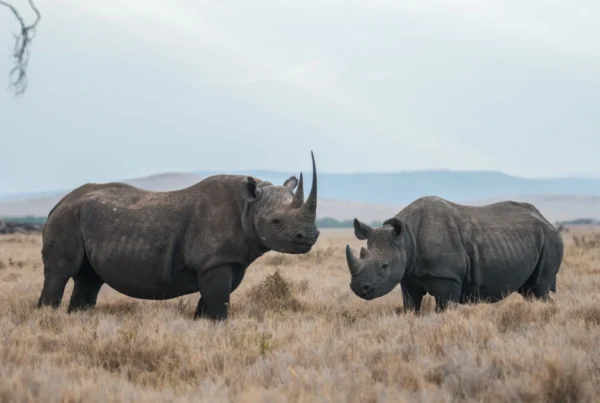
The honest limitation of Uganda’s Big Five value proposition is the absence of rhino. Uganda’s rhino population was eliminated by poaching and has not been reintroduced to the main national parks in the way Rwanda has done in Akagera. The Ziwa Rhino Sanctuary, a private project working toward eventual wild reintroduction, allows rhino tracking on foot — a genuinely exceptional experience — but it is a sanctuary rather than a national park, which means Uganda does not offer wild Big Five safari in the strict sense. For travelers whose safari goal is specifically the full Big Five in open savannah, this is a meaningful consideration; for those primarily interested in wildlife diversity and volume including primates, Uganda is exceptional value.
Plan Your Safari
Budget considerations should shape which East Africa destination you choose and which accommodation tier fits your financial constraints — not whether you go to East Africa at all. Mid-range East Africa safari itineraries in Uganda, Kenya, and Tanzania are genuinely accessible to a wide range of traveler budgets, and African Wild Trekkers designs itineraries at every price point from mid-range lodge packages to premium private concession experiences.
Every package includes transparent pricing with all park fees, permits, accommodation, guides, and transfers included. Itineraries across Uganda, Rwanda, Kenya, and Tanzania are available at budget levels that reflect honest cost structures rather than artificially reduced prices that compromise quality or staff welfare.
Contact African Wild Trekkers at africanwildtrekkers.com/contact with your budget and wildlife priorities and we will design the best East Africa safari available within your parameters within 24 hours.