Pangolin Facts Africa: The Most Trafficked Mammal on Earth
The World’s Most Trafficked Mammal
The pangolin is the most trafficked mammal in the world. Not just in Africa, not just among endangered species, but among all mammals on the planet. An estimated one million pangolins were taken from the wild between 2000 and 2013 alone. They were destined for wildlife markets in China and Vietnam, where the scales are used in traditional medicine and the meat is consumed as a delicacy, signaling wealth and status. Four pangolin species occur in Africa. The ground pangolin, the giant pangolin, the white-bellied tree pangolin, and the black-bellied tree pangolin. All four now carry threatened status under IUCN assessments. The ground pangolin is listed as vulnerable, and the giant pangolin is approaching endangered. Traffickers increasingly target the African species to supplement Asian markets where the Asian pangolin species are close to commercial extinction following decades of overexploitation.
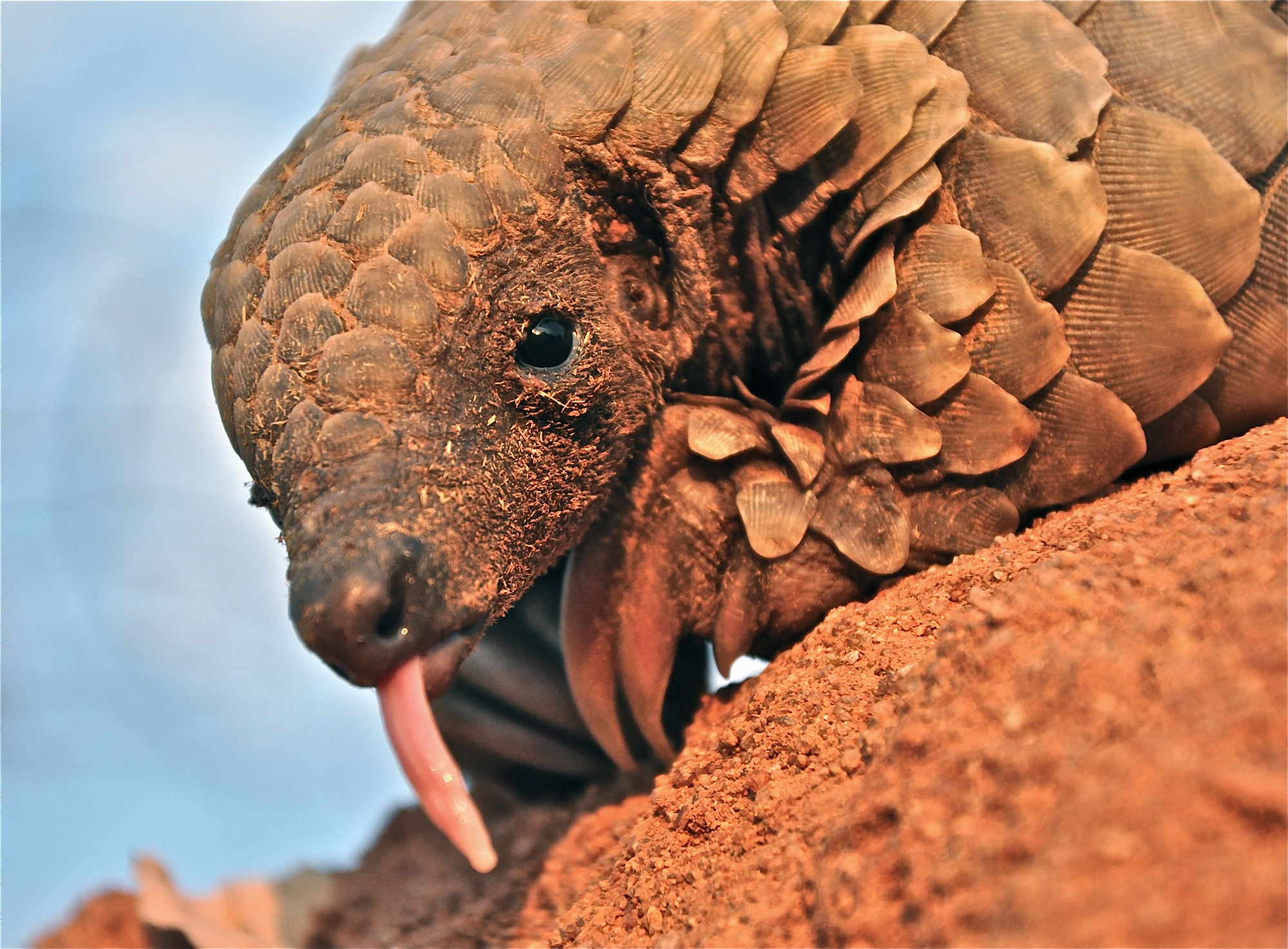
Pangolins are also, in the view of many wildlife enthusiasts and conservation photographers, among the most extraordinary and otherworldly animals in Africa. Scales of overlapping keratin — the same protein that forms human fingernails — cover the pangolin. This makes it look more like a walking pinecone than a mammal. Its defensive behavior of rolling into a tight ball when threatened produces one of the most photogenic moments in African wildlife photography. The scales protect every vulnerable body surface when the animal is balled. They are entirely effective against lions and hyenas. They are no protection against humans with burlap sacks. The fact that the pangolin’s principal predator defense makes it easier to collect for trafficking is one of the most poignant ironies in wildlife conservation.
Pangolin Biology and Behavior
Scales, Diet, and Nocturnal Life
The Scale System and Defense
Pangolin scales are composed of keratin, the same material as human hair and fingernails. They account for approximately 20 percent of the animal’s total body weight. The scales grow from skin follicles and gradually replace themselves throughout the animal’s life as older scales at the edges wear and fall out. The arrangement of scales—overlapping like roof tiles, with sharp cutting edges—provides protection. It can also lacerate the skin of a predator attempting to bite through them. When threatened, the pangolin contracts its body into a tight sphere. The head is tucked against the chest. The vulnerable belly is completely enclosed by the overlapping scales of the back and tail. The muscle-dense tail is held over the head as additional protection. In this position, even a large hyena struggles to unroll the animal. And lions typically lose interest after minutes of unsuccessful mouthing.
The pangolin’s diet consists exclusively of ants and termites. These are located by smell and extracted from mounds and underground colonies with a long, sticky tongue that can extend up to 40 centimeters. Longer than the animal’s own head and body combined. The tongue attaches near the sternum rather than to the hyoid bone at the back of the mouth as in most mammals. It retracts through a specialized channel in the chest cavity when not in use. The salivary glands that coat the tongue are enormously enlarged compared to other insectivores. They produce the thick, sticky saliva that allows the tongue to capture hundreds of ants or termites per sweep. Pangolins have no teeth—keratinized projections within the muscular stomach grind insects the same way a gizzard grinds grain in birds. A single pangolin may consume 70 million insects per year, making it one of the most effective pest control organisms in Africa’s ecosystems.
Nocturnal Behavior and Reproduction
Ground pangolins are primarily nocturnal and solitary. They spend the day in burrows that they either excavate themselves or appropriate from aardvarks, warthogs, or other digging animals. They emerge after dark to forage across home ranges of 6 to 30 square kilometers. Following ant and termite trails with their sensitive noses, they pause at each productive mound to feed for several minutes before moving on. Their movement is distinctive — a slow, deliberate walking gait with the tail raised off the ground. The front feet curl under so that the animal walks on its knuckles when not digging. The nocturnal lifestyle and slow movement make them extremely difficult to find without specialized tracking knowledge. Most pangolin sightings in the wild come from trained detection dog programs, camera trap studies, or extraordinary encounters during night drives when a spotlight happens to illuminate an animal crossing a track.
Pangolin reproduction is extraordinarily slow. Ground pangolins produce a single pup after a gestation of approximately 140 days. The pup remains with the mother for several months. It rides on the base of her tail when she moves. When she rolls in response to a threat, the pup curls up inside the mother’s defensive ball. This slow reproductive rate — one offspring per year at most — means that pangolin populations recover extremely slowly from any significant reduction in numbers. A poaching event that removes ten animals from a local population requires years of undisturbed reproduction to replace those individuals. In areas where poaching pressure is sustained, populations can be functionally eliminated before natural reproduction can compensate.
Pangolin Conservation Crisis
Trafficking, Protection, and Safari Encounters
The Scale of the Trafficking Problem
In 2017, CITES listed all eight pangolin species under Appendix I, banning international commercial trade. National legislation in every country where they occur now protects all four African species. These legal protections have not stopped the trafficking. Seizures of pangolin scales and bodies by law enforcement in transit countries. Particularly in West Africa, through which most trafficked pangolins from Central and East Africa are routed to Asian markets. Have grown in scale annually. Single seizures now occasionally exceed ten tons of pangolin scales, representing thousands of individual animals. The scale of the trade, combined with the extremely low arrest and prosecution rate for high-level traffickers, means that legal protection has not yet translated into meaningful population recovery in most areas of Africa.
The Pangolin Crisis Fund, the African Pangolin Working Group, and organizations including the Tikki Hywood Foundation in Zimbabwe and the Rhino and Lion Nature Reserve in South Africa run rehabilitation programs for confiscated pangolins. They also conduct community education programs in high-trafficking areas. Pangolins are notoriously difficult to rehabilitate. They are highly stressed in captivity and refuse to eat when anxious. And are susceptible to pneumonia and other respiratory diseases when not maintained in appropriate conditions. Successful pangolin rehabilitation requires intensive specialist knowledge. Most confiscated pangolins that arrive at rehabilitation centers in poor condition do not survive long-term. Prevention — through demand reduction in consumer markets and interdiction of trafficking networks — is considered more tractable than rehabilitation as a conservation strategy.
The Rarity and Value of a Wild Pangolin Sighting
A wild pangolin sighting is one of the rarest encounters that any safari traveler can have. Even in parks with healthy pangolin populations. South Africa’s Tswalu Kalahari Reserve, Botswana’s Central Kalahari Game Reserve, and Zambia’s South Luangwa. Pangolin sightings are uncommon enough that experienced safari travelers rank them among the rarest and most memorable wildlife encounters of their careers. Tswalu Kalahari in particular invests significantly in ground pangolin monitoring and tracking. Its trained tracking staff and camera-trap monitoring give guides the best possible chance of locating known individuals. Tswalu is probably the best place in Africa to specifically seek a pangolin sighting.
The rarity of the encounter adds a layer of meaning that more common sightings cannot replicate. Sitting beside a wild ground pangolin as it investigates a termite mound with its extraordinary tongue. Scales gleaming in the early morning light. You are watching one of the world’s most imperiled mammals performing a behavior unchanged for millions of years. Your visit and its conservation levy contribute directly to the protection programs that keep this animal alive. Unlike the spectacular predator action that tends to dominate safari photography and social media, the pangolin encounter is intimate and still. And deeply affecting in ways that take time to fully register.
Plan Your Safari
Pangolin sightings require specialist reserves with active tracking programs and monitoring of known individuals—not standard game drive parks. Tswalu Kalahari in South Africa is the most accessible destination for dedicated pangolin seeking. The experience is best built into a broader Southern Africa circuit that combines Tswalu with Kruger, the Cape, and additional wilderness destinations.
African Wild Trekkers can build Tswalu Kalahari into South African itineraries for travelers who specifically want the possibility of a pangolin encounter alongside the standard Big Five experiences. We connect specialist conservation reserves with broader safari circuits across the country.
Contact African Wild Trekkers at africanwildtrekkers.com/contact with your South Africa travel dates, and we will design an itinerary that includes pangolin-focused reserves alongside the country’s best Big Five safari experiences within 24 hours.