Africa Without Malaria: Best Safari Destinations With Low Malaria Risk
Understanding Malaria Risk in African Safari Destinations
Malaria risk is one of the most frequently cited concerns among travelers considering an African safari for the first time. The concern is medically legitimate — malaria remains a serious disease that causes significant morbidity and mortality across tropical Africa. However, the practical reality of risk management is considerably more nuanced than “Africa equals malaria.” The continent covers an enormous geographic range spanning from the Mediterranean coast of Morocco to the subantarctic islands of the Southern Ocean. Within that range malaria transmission is highly uneven. The distribution concentrates primarily in the low-altitude tropical regions of sub-Saharan Africa where Anopheles mosquito breeding conditions align most consistently. Standing water, high humidity, and warm temperatures. High-altitude destinations, arid and semi-arid regions, and the southern tip of the continent all present meaningfully lower malaria transmission risk than the tropical lowlands of East and Central Africa. Several significant safari destinations sit either entirely outside the malaria transmission zone or in areas of such low transmission risk that medication is not routinely recommended for healthy adult travelers.
The distinction between “no malaria risk” and “low malaria risk” is important to understand before making destination decisions based on this criterion. No destination within sub-Saharan Africa can be described as absolutely malaria-free in all seasons and all years. Vector populations fluctuate with rainfall, temperature, and ecological conditions in ways that periodically extend mosquito range into areas not normally considered high-risk. What the destinations below offer is consistently low and in some cases negligible transmission risk during the dry season safari months. In many cases high altitude or arid climate conditions structurally limit mosquito populations year-round. Consulting a travel health clinic or travel medicine physician before finalizing your safari destination is always the correct approach. Individual risk factors including pregnancy, young children, immunosuppression, and specific medication interactions can change the risk calculus significantly from general population guidance.
Low-Risk and Malaria-Free Safari Destinations
South Africa and Namibia
Malaria-Free Zones in South Africa
South Africa offers the largest geographic range of genuinely low-to-negligible malaria risk safari options on the African continent. This makes it the natural first choice for travelers. Particularly families with young children and those with medical sensitivities to antimalarial medications. Who want a Big Five wildlife experience without meaningful disease exposure. The Western Cape, Eastern Cape, KwaZulu-Natal’s midlands and Drakensberg region. And most of the Free State are entirely outside the malaria transmission zone. They require no prophylaxis medication for travelers visiting at any time of year. The renowned private game reserves of the Eastern Cape. Including Shamwari, Addo Elephant National Park, Pumba, Kwandwe. And Kariega. Offer genuine Big Five encounters including lion, elephant, buffalo, and rhino. Their habitats include malaria-free lowland forest, thicket, and grassland, providing a completely different aesthetic from the flat acacia savanna of the Kruger ecosystem.
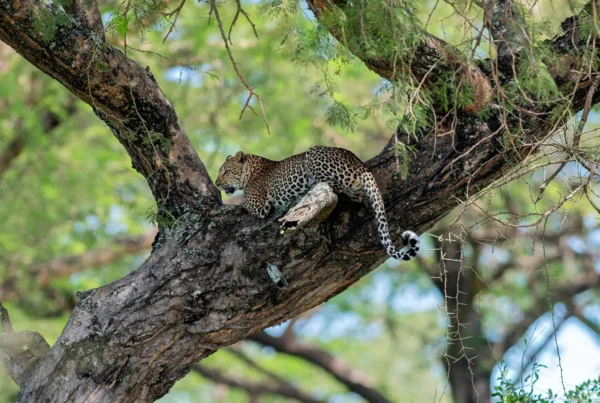
The Eastern Cape private reserves were established specifically to meet the demand for malaria-free Big Five safari experiences. They have invested heavily in wildlife reintroduction programs. Reintroducing lion and cheetah, growing elephant populations, and establishing white rhino herds. Wildlife density now compares favorably to many established East and Southern Africa parks. The leopard population in these Eastern Cape thicket and riverine habitats is naturally established and produces excellent sighting rates for guests staying multiple nights. The KwaZulu-Natal reserves of Hluhluwe-iMfolozi Park and its surrounding private reserves carry a higher malaria risk than the Eastern Cape. They are classified as low-risk during the dry season months of June through September but require prophylaxis during the wet season. The decision about medication for this destination should be made in consultation with a travel clinic based on your specific travel months and individual health profile.
Namibia’s Arid Safari Landscape
Namibia’s central and southern regions. Covering the Namib Desert, the Fish River Canyon, the NamibRand Nature Reserve. And the Sossusvlei red dune landscape. Carry negligible malaria risk year-round due to the extreme aridity that prevents Anopheles mosquito breeding. These desert safari experiences are genuinely extraordinary in their own right. The scale, silence, and alien beauty of Sossusvlei’s Deadvlei salt pan are impossible to overstate. Predator research opportunities around Namibia’s cheetah populations on central plateau farmlands are exceptional. Desert-adapted elephant, lion, and oryx of Damaraland represent wildlife encounters found nowhere else on earth. Etosha National Park in the north carries the majority of Namibia’s classic savanna wildlife including large elephant populations, significant rhino numbers, and seasonally excellent lion activity. It sits in a zone of low but present malaria risk. Prophylaxis is generally recommended during the rainy season months of November through April and is discretionary during the dry season, with specific guidance best confirmed through a current travel clinic consultation.
The combination of Namibia’s central malaria-free zones with a short northern extension to Etosha allows travelers to construct an itinerary that delivers outstanding and diverse wildlife experiences. Malaria exposure is limited to the specific period spent in the northern park zone. This flexibility is one of Namibia’s greatest practical advantages for risk-conscious travelers. Unlike destinations such as Zambia or Tanzania where the majority of prime wildlife areas sit within moderate-to-high risk zones, Namibia’s exceptional wildlife diversity spreads across a geographic range that includes substantial areas of genuinely low risk. This gives travelers the ability to calibrate their itinerary to their specific risk tolerance without sacrificing quality of experience.
Kenya, Rwanda, and High-Altitude East Africa
High-Altitude Destinations in Kenya
Kenya’s Laikipia Plateau — home to conservancies including Ol Pejeta, Lewa, Borana. And Ol Malo — sits at between 1,700 and 2,400 meters above sea level. This altitude significantly suppresses Anopheles mosquito populations and reduces malaria transmission risk to low levels throughout the year. The wildlife on the Laikipia Plateau is exceptional by any standard. Ol Pejeta alone holds the world’s last two northern white rhinos under permanent armed guard, alongside one of Kenya’s largest black rhino populations. Significant lion prides, cheetah, wild dog, elephant, buffalo, and a remarkable diversity of bird life are concentrated around the Ewaso Nyiro River that flows through the landscape. The Laikipia conservancy model — where multiple private and community-owned conservancies cooperate on wildlife management across a landscape larger than some national parks — produces wildlife encounter quality that rivals the Masai Mara. It does so at meaningfully lower malaria risk due to altitude.
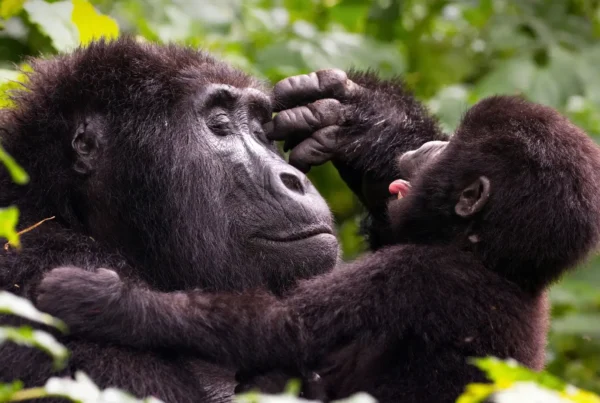
The Masai Mara ecosystem, which sits at approximately 1,500 to 1,800 meters above sea level, carries a low-to-moderate malaria risk that is lower than many travelers expect. The risk is genuinely present and prophylaxis is generally recommended. However, the transmission intensity is significantly lower than tropical lowland destinations at similar latitude. The combination of altitude, dry season low humidity, and good accommodation standards in the private conservancy lodges substantially mitigate practical exposure for guests who use standard insect avoidance precautions. Rwanda’s gorilla trekking zones in Volcanoes National Park sit at between 2,600 and 4,500 meters above sea level. At these altitudes malaria transmission is effectively zero. Gorilla trekking in Rwanda is one of the most compelling “Africa without malaria” safari experiences available. It is a natural complement to a South Africa or Namibia dry season itinerary for travelers who want East Africa’s most iconic primate encounter without significant malaria exposure.
Practical Malaria Avoidance for All Destinations
Non-Medication Protective Measures
Physical Protection and Bite Avoidance
Physical bite avoidance remains the most important malaria prevention tool available regardless of whether your destination falls in a low-risk or moderate-risk zone. It requires consistent application across the specific high-risk period between dusk and dawn when Anopheles mosquitoes are most active. DEET-based insect repellents at concentrations of 30 to 50 percent provide the most effective and longest-lasting protection against mosquito bites. They are safe for adults and children over two months of age when applied as directed on the product label. Specifically avoiding the eyes, mouth, and open wounds. Picaridin-based repellents at 20 percent concentration provide comparable effectiveness to 30 percent DEET for most travelers. They are odorless and less likely to damage plastics, synthetic fabrics, or camera equipment, making them a practical preference for safari travelers who carry significant camera gear. Permethrin-treated clothing — applied to safari shirts, trousers, and socks before departure and allowed to dry completely — provides an additional protective layer. It kills and repels mosquitoes on contact with treated fabric and persists through multiple laundry cycles.
Long-sleeved clothing in light colors worn from dusk onward is the first line of physical protection. Sleeping under a properly maintained mosquito net with no holes or gaps at the base is essential. Using a knock-down insecticide spray or burning mosquito coil in sleeping accommodation before bedtime adds further protection. Together these constitute the standard physical protection protocol that travel medicine specialists recommend for moderate-risk African safari destinations. Premium safari lodges in moderate-risk areas uniformly provide properly installed mosquito nets over beds, plug-in repellent devices. And pre-dusk spraying of common areas as standard amenities. Guests who check that these provisions are in place and use them consistently reduce their effective exposure dramatically. The combination of physical protection measures with appropriate prophylactic medication for higher-risk itinerary segments represents the most comprehensive risk management strategy available. The specific medication choice — Malarone, Doxycycline, or Lariam — should be made in consultation with a qualified travel health physician rather than based on general internet guidance. Individual health profiles, trip duration, and medication side-effect tolerances differ significantly between travelers.
Plan Your Safari
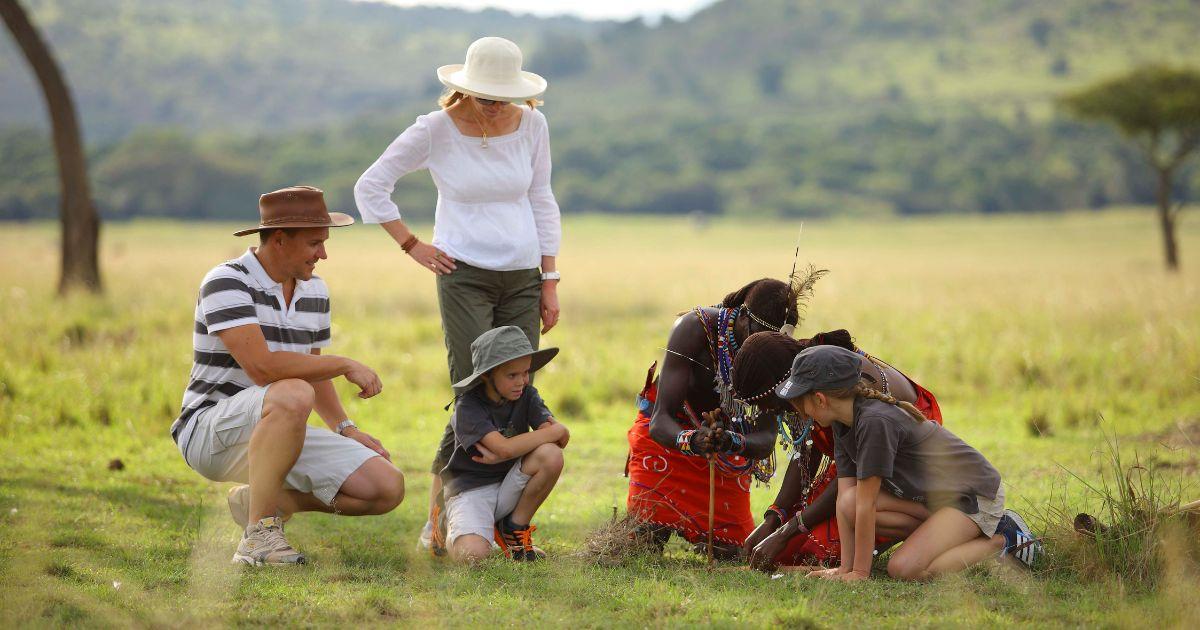
African Wild Trekkers advises every guest on the specific malaria risk profile of each destination on their proposed itinerary. This includes the seasonal variation in risk, the altitude and climate factors that modify that risk. And the prophylaxis and physical protection measures that the travel health organizations we consult recommend. We help families with young children, pregnant travelers, and those with medication sensitivities identify itinerary options that deliver outstanding safari experiences while managing malaria exposure to the lowest practical level.
We have deep knowledge of the malaria-free private game reserves in South Africa’s Eastern Cape, the high-altitude conservancies of Kenya’s Laikipia Plateau. And the zero-risk gorilla trekking zones of Rwanda. We regularly design itineraries that combine these destinations into a single trip delivering maximum wildlife diversity at minimum health risk. Every African Wild Trekkers itinerary includes a pre-departure health briefing document covering malaria risk by destination, recommended prophylaxis options for each zone. And practical bite avoidance guidance specific to your travel months.
Contact African Wild Trekkers at africanwildtrekkers.com/contact with your health concerns, travel dates. And preferred destinations and we will design a low-risk safari itinerary that meets your specific requirements within 24 hours.