Solo Female Safari Africa: Safest Countries and Essential Tips
Is Africa Safe for Solo Female Travelers on Safari?
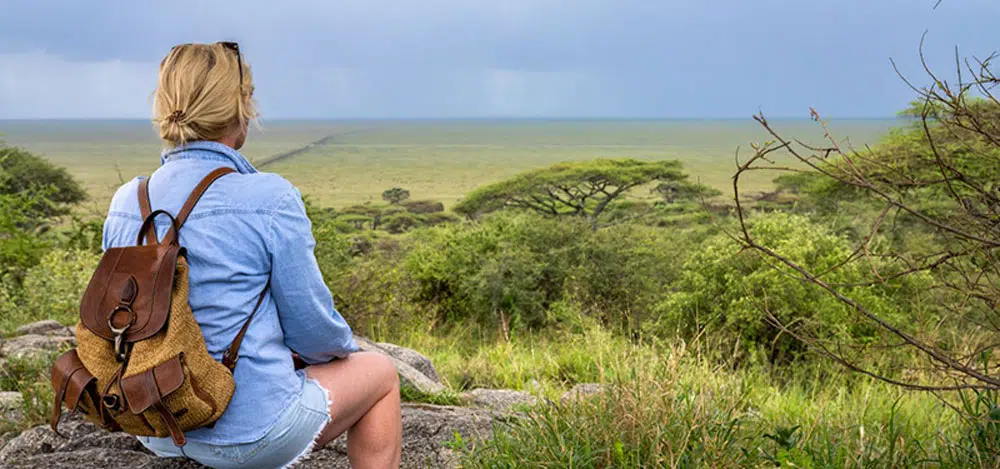
The question of safety for solo female travelers in Africa deserves a direct and honest answer rather than the reflexive reassurance that sometimes substitutes for genuine assessment in safari marketing. Within the specific context of organized safari travel. Staying at lodges, traveling with professional guides, moving between destinations on pre-arranged transfers. And visiting national parks and private game reserves. The vast majority of solo female travelers across all age groups report feeling safer than they expected, professionally respected by guides and camp staff, and never in a situation where their gender created meaningful additional risk compared to mixed-gender groups doing the same activities. This is not a universal endorsement of unrestricted independent female travel across all African countries and environments. It is a specific observation about the safari tourism ecosystem. Which is a well-managed, professionally operated. And structurally safe environment that differs fundamentally from independent backpacking or urban travel in the same countries.
The single most important safety variable for a solo female safari traveler is the quality and ethics of the operator she books through. Because this determines the caliber of every guide and camp staff member she interacts with throughout her trip. Reputable safari operators — those with verifiable industry association membership, multiple years of operating history, transparent guest reviews. And clear communication about their staff vetting processes — employ guides who are professional, respectful. And experienced in hosting solo guests including solo women who may have additional questions, sensitivities, or needs that travel partners typically help address within a group. The solo female safari experience organized through a responsible, experienced operator is structurally very safe. The same geographic destinations organized through an unvetted operator found through a last-minute booking platform carry meaningfully different risks, not because of Africa but because of the operator quality variable that determines everything.
Safest African Destinations for Solo Female Safari
Southern Africa’s Most Welcoming Countries
Botswana: Safety, Privacy, and Exclusivity
Botswana consistently ranks among the safest African countries for international tourism and is the destination that Africa travel specialists most frequently recommend to solo female travelers for first-time African safari experiences. The country’s small population, strong rule of law, political stability. And exceptionally high-quality tourism infrastructure create conditions in which a solo female traveler moving between fly-in camps in the Okavango Delta, the Linyanti system. And the Central Kalahari encounters professional, well-trained. And culturally attuned hospitality at every point of her journey. Botswana’s tourism model emphasizes low-volume, high-value travel. Legally restricting visitor numbers across its major wildlife areas. Which means that lodges are typically small (six to twelve guests), staff ratios are high. And the individual attention that a solo female guest receives is exceptional. The isolation that some travelers initially find daunting about fly-in Botswana camps. Accessible only by light aircraft, with no road connections to towns. Is from a safety perspective actually an asset: the camps are secure, the surrounding wildlife area has no through-traffic. And the guest community in any given camp is small, known, and vetted by the operator.
Namibia’s combination of political stability, low crime rates relative to other Southern African countries, excellent self-drive infrastructure. And a tourism culture that treats independent travelers. Including solo women. With matter-of-fact professional respect makes it the preferred Southern Africa self-drive destination for confident solo female travelers who want the freedom of their own vehicle and itinerary. The welcoming and safety-conscious atmosphere at Namibian guesthouses, NWR rest camps. And farm stays throughout the country creates a solo travel environment that many women describe as closer to Scandinavian road-tripping in its social atmosphere than to the anxious independent travel experience that generalized warnings about Africa sometimes imply. Etosha’s public rest camps in particular. Where solo travelers park outside their chalets and walk to lit communal areas, communal waterhole viewpoints. And camp shops during daylight hours. Receive consistently positive assessments for solo female comfort from dozens of published travel writers and online solo travel communities whose evaluations carry more practical value than general country-level safety statistics.
Rwanda: Well-Managed, Modern, and Welcoming
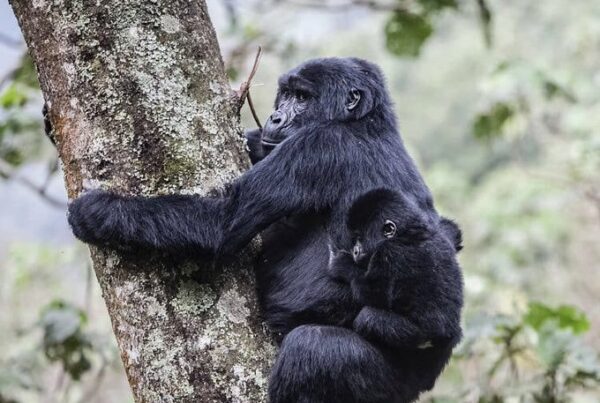
Rwanda has undergone one of the most remarkable transformations of any country on the African continent in the three decades since the 1994 genocide, emerging as a model of effective governance, economic development. And political stability that makes it one of the safest and most visitor-friendly countries in all of Africa today. The capital Kigali consistently ranks among the cleanest and safest cities in sub-Saharan Africa. Streets are clean, public safety is excellent, the taxi and transport network is reliable. And the population’s general attitude toward international visitors is warm, curious, and helpful. For solo female travelers, Rwanda’s specific safety landscape combines the social security of a well-policed urban environment in Kigali with the professional structure of world-class gorilla trekking operations in Volcanoes National Park. Where RDB-approved guides and park rangers accompany every trekking group from the park entrance to the gorilla family and back without exception. The gorilla trek itself is one of the most personally transformative wildlife experiences available anywhere on earth. And it is accessible to solo female travelers in their own age group alongside other solo travelers in the same permit group, creating the social dimension of a group activity without requiring a booked travel companion.
Kenya’s safari ecosystem — particularly the private conservancy lodges around the Masai Mara, the Laikipia Plateau camps. And the northern frontier camps around Samburu — receives consistently positive assessments from solo female safari travelers for the professionalism of its guide and camp staff, the quality of its lodge security. And the social atmosphere of small camps where solo guests integrate naturally into the lodge community rather than feeling conspicuously alone. The practical reality of most safari lodge dining is that meals are served communally around a central table or camp fire, creating a social structure that solo travelers of any gender typically find actively enjoyable rather than isolating, as they encounter other guests from around the world over shared experiences. A lion hunt from that morning, a leopard found on the afternoon drive, the spectacular light of the Mara at sunset. That create instant conversational common ground. Several Kenya safari operators including African Wild Trekkers actively match compatible solo guests for shared vehicle use, reducing the single supplement cost that is the primary financial challenge of solo safari travel.
Practical Tips for Solo Female Safari Travelers
Preparation, Booking, and Confidence in the Field
Booking Strategies for Solo Travelers
The single supplement — the additional cost charged to solo travelers who occupy a double or twin room alone — is the most significant financial challenge of solo safari travel and can add 30 to 60 percent to the per-person cost of a lodge stay compared to the same room shared between two people. Several strategies exist for managing this cost without sacrificing the quality or independence of your itinerary. Small group departures organized by specialist operators. Typically groups of six to twelve travelers sharing game drive vehicles and lodge facilities on a pre-set itinerary. Include solo travelers at the per-person double occupancy rate without a supplement, pairing solo guests in twin-share rooms with a same-gender solo traveler. This format suits solo women who want the social dimension of a compatible group without the rigidity of a fixed-departure bus tour and who are willing to sacrifice some itinerary flexibility in exchange for the cost saving. The quality of the experience depends entirely on the operator’s skill at curating compatible group compositions. And reviewing specific operator reviews from past solo guests before booking a group departure is the most reliable way to assess whether the company manages this well.
Staying in smaller lodges and camps of six to twelve guests naturally reduces the social isolation risk of solo travel because the intimate lodge environment creates organic conversation and shared experiences with other guests across meals, sundowners. And post-drive discussions that larger resorts with fifty or more guests cannot generate. A solo woman in a twelve-guest Okavango Delta camp over five nights will have met and spent meaningful time with every other guest in the camp within forty-eight hours, regardless of whether they share any other travel arrangements. The shared game drive experiences, the communal meals. And the evening campfire ritual create a social structure that makes aloneness feel like a choice rather than an absence. Many solo female travelers specifically book small-camp itineraries for this reason. And the combination of social ease and high-quality wildlife access that characterizes small luxury bush camps makes this format the most recommended by experienced solo Africa travelers regardless of gender.
Health, Communications, and Safety Awareness
Communicating your itinerary details to a trusted contact at home. Lodge names, operator contact numbers, flight details. And the guide’s name and cell phone number. Provides an important safety net for solo travel of any kind in remote international destinations, and takes less than thirty minutes of preparation time before departure. Most safari operators provide emergency contact numbers as part of their pre-departure documentation. And confirming that these contacts are reachable on WhatsApp. The dominant communication platform across African safari countries. And saving them on your phone before boarding your first flight adds a layer of in-destination support that solo travelers benefit from disproportionately compared to groups where other members can seek help on behalf of an individual. Registering with your home government’s travel advisory service. The UK Foreign Commonwealth Office, the US State Department’s STEP program, the Australian DFAT Smartraveller system. Means that official travel alerts and consular assistance are available through known channels if something changes in your destination country during your stay.
Trusting your own instincts and maintaining the same situational awareness you would apply to independent travel anywhere in the world remains the most consistently useful personal safety guideline across all African safari destinations. Solo female travelers who report the most positive experiences across Africa describe an approach that combines reasonable vigilance in urban transit environments. Airports, city streets, market areas. With genuine relaxation within the professionally managed lodge and game reserve environment where the safety infrastructure is, by the standards of tourism worldwide, genuinely excellent. The anxiety about Africa that some first-time visitors carry is often disproportionate to the actual experience. Several women who describe themselves as initially very nervous about solo African travel report that by day three they felt more relaxed and genuinely safer than they do in many European cities. Because the professional care of safari lodge staff and the clarity of the managed environment replaced the uncertainty of the unfamiliar with a quality of looked-after that surprised and reassured them.
Plan Your Safari
African Wild Trekkers hosts solo female travelers on every itinerary we design and has done so consistently throughout our operating history. Our team — which includes experienced female travel consultants who have themselves traveled solo across multiple African safari destinations — can advise on the specific lodge and operator choices that receive the most positive assessments from solo female guests, the group departure options that reduce single supplement costs. And the practical preparation steps that make a first solo African safari feel organized, safe, and genuinely exciting.
We connect solo female guests who are interested in group game drive sharing with compatible solo travelers on similar itineraries when possible. And we actively monitor guest feedback to ensure that the lodges and guides we recommend maintain the standards of professionalism and respect that solo female guests depend on. Our pre-departure briefings include specific guidance on communication tools, emergency contacts. And day-to-day safety awareness tailored to each destination on your itinerary.
Contact African Wild Trekkers at africanwildtrekkers.com/contact with your preferred destination and travel dates and we will design a solo safari itinerary built around your specific interests, budget, and comfort level within 24 hours.