Uganda Owl Species: 22 Nocturnal Hunters Across the Pearl of Africa
Uganda owl species total 22 confirmed records across the country’s forest, savanna, wetland, and montane habitats. Owl species include some of the most spectacular owls in Africa. The Verreaux’s eagle owl stands 65 centimetres tall and is the largest Uganda owl species. The Albertine owlet is a tiny highland endemic specific to the Albertine Rift forest zone. Uganda owl species are most productively found on dedicated night walks and evening listening sessions at forest sites. Bwindi, Kibale, and Semuliki National Parks provide the richest Uganda owl species diversity on specialist night walks. Murchison Falls and Queen Elizabeth National Parks hold savanna and riparian Uganda owl species on evening road drives. Planning specifically for Uganda owl species requires night walk permits and a specialist guide at each site.
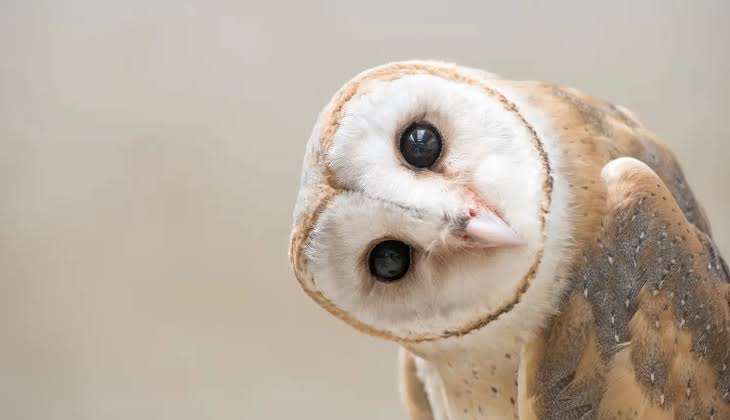
Uganda owl species are identified primarily by call. Each Uganda owl species call is distinctive and carries far through the forest or savanna at night. A trained Uganda owl species guide identifies each call before any spotlight search begins. The guide then locates the bird by triangulating the sound direction and using a spotlight to locate the eye shine in the vegetation. Uganda owl species have very large, light-gathering eyes that reflect brilliantly in a torch beam. This eye shine method is the primary technique for Uganda owl species location at all Uganda night walk sites.
Key Uganda Owl Species by Site
Uganda Owl Species at Bwindi
Bwindi Impenetrable Forest holds six Uganda owl species across its altitude range. Verreaux’s eagle owl is the largest and most dramatic Uganda owl species at Bwindi. Its deep, resonant call carries far through the forest on calm nights. Guides locate it by following the call and using spotlight eye shine identification. African wood owl inhabits the mid-altitude Bwindi forest and calls with deep paired hoots. Fraser’s eagle owl is a Bwindi Uganda owl species found in the mid-altitude forest interior. This powerful owl requires specific night walk timing in the breeding season for the most reliable location encounters.
The Albertine owlet is the smallest Uganda owl species at Bwindi and the most sought by specialist birders. This highland endemic inhabits the Ruhija sector at higher altitude. Guide playback brings it to within a few metres of the group on a productive Bwindi night walk. Ruwenzori nightjar is technically a nightjar rather than an owl but appears on Uganda owl species night walk programmes alongside the owls. Both call from similar habitats in the upper Bwindi forest zone. A successful Ruwenzori nightjar encounter requires a specifically timed evening at the Ruhija sector during the breeding calling season.
Uganda Owl Species at Kibale
Kibale National Park night walks produce four to five Uganda owl species regularly. African barred owlet is the most reliably encountered Kibale Uganda owl species. This small, brown owl responds readily to guide playback throughout the night walk. African wood owl calls from the Kibale forest interior on most productive evenings. Black-and-white casqued hornbill roost noisily in the Kibale canopy and occasionally confuse beginners expecting Uganda owl species calls. The Kibale night walk programme covers the Kanyanchu trail system in a 90-minute guided session. Bat hawk hunts over the Kibale forest at dusk during the Uganda owl species night walk and can be seen at the forest edge at last light.
Spotted eagle owl inhabits the Kibale forest edge and the surrounding farmland. This adaptable Uganda owl species appears on Kibale night walks near the boundary zone. White-faced scops owl inhabits the drier savanna woodland adjacent to Kibale and appears on evening road drives rather than the forest night walk. The Kibale Uganda owl species programme benefits from combining a formal night walk with an informal camp garden listen after dinner. African scops owl calls persistently from the camp trees on many Uganda owl species lodge evenings. Its repetitive single-note whistle is one of Uganda’s most characteristic nocturnal sounds.
Uganda Owl Species Photography
Night Photography of Uganda Owl Species
Uganda owl species night photography requires specific equipment and technique for acceptable results. A camera sensor rated at ISO 6400 or higher with manageable noise performs better than lower-ISO cameras in Uganda owl species darkness conditions. A fast 70-200mm f2.8 lens produces sharper Uganda owl species images than longer, slower telephotos in low light. The guide’s spotlight or red fill flash illuminates the owl sufficiently for camera metering. Using the spotlight as the primary light source with the camera’s red-eye reduction flash as a fill produces the most natural-looking Uganda owl species images. Pure flash-only Uganda owl species images often produce unnatural, harsh results against a black background.
Remote flash set-up beside a known Uganda owl species call perch produces the best technical night photography results. This professional technique requires advance site knowledge and pre-positioning of the flash before the night walk. Most Uganda owl species guides can identify productive perch locations from the previous night walk experience. Remotely triggering the flash from the camera position beside the guide creates a multi-light portrait effect. This multi-flash Uganda owl species photography approach produces the most compelling and natural-looking results. Very few Uganda visitors attempt this level of owl photography preparation, and it rewards those who do with exceptional images.
Uganda Owl Species Without Night Photography
The Uganda owl species experience rewards visitors who have no photography equipment at all. Hearing a Verreaux’s eagle owl call from ten metres in the dark Bwindi forest is a profound experience. Seeing the eye shine of an Albertine owlet in the spotlight at Ruhija creates a lasting Uganda owl species memory without any photograph. Uganda owl species calls heard and identified during the night walk build the Uganda owl species list as effectively as visual sightings. Many birders keep a heard-only Uganda owl species list alongside their visual list. The Uganda owl species night walk itself is the primary experience. Photography is the secondary documentation of that experience rather than its purpose.
Visiting multiple Uganda owl species night walk sites during a Uganda safari builds a comprehensive personal list over time. A Bwindi night walk adds the highland Uganda owl species. A Kibale night walk adds the lowland forest Uganda owl species. A Queen Elizabeth evening drive adds the savanna Uganda owl species including pel’s fishing owl searches along the Kazinga Channel. A Murchison Falls evening adds Verreaux’s eagle owl in the riparian forest section. Each Uganda owl species site adds species not available at the others. A complete Uganda safari covering all four major night walk sites produces 12 to 15 Uganda owl species records.
Plan Your Safari
Book Uganda owl species night walks at Bwindi, Kibale, and at least one savanna park on every Uganda safari itinerary. Request the Ruhija sector night walk at Bwindi for the Albertine owlet specifically. Combine the night walk permit with a morning gorilla trek permit for the most efficient use of each Bwindi or Kibale night walk day.
African Wild Trekkers books Uganda owl species night walk permits and specialist nocturnal guides at all major sites. We include night walk sessions in birding safari itineraries and brief clients on Uganda owl species identification and call recognition before each evening session begins.
Contact African Wild Trekkers to include Uganda owl species night walks in your safari. We respond within 24 hours and design Uganda birding programmes that cover both the diurnal and nocturnal species across the country’s finest forest and savanna sites.