Wheelchair-Accessible Safari Africa: The Best Inclusive Safari Options
African Safari Is More Accessible Than Most Travelers Realize
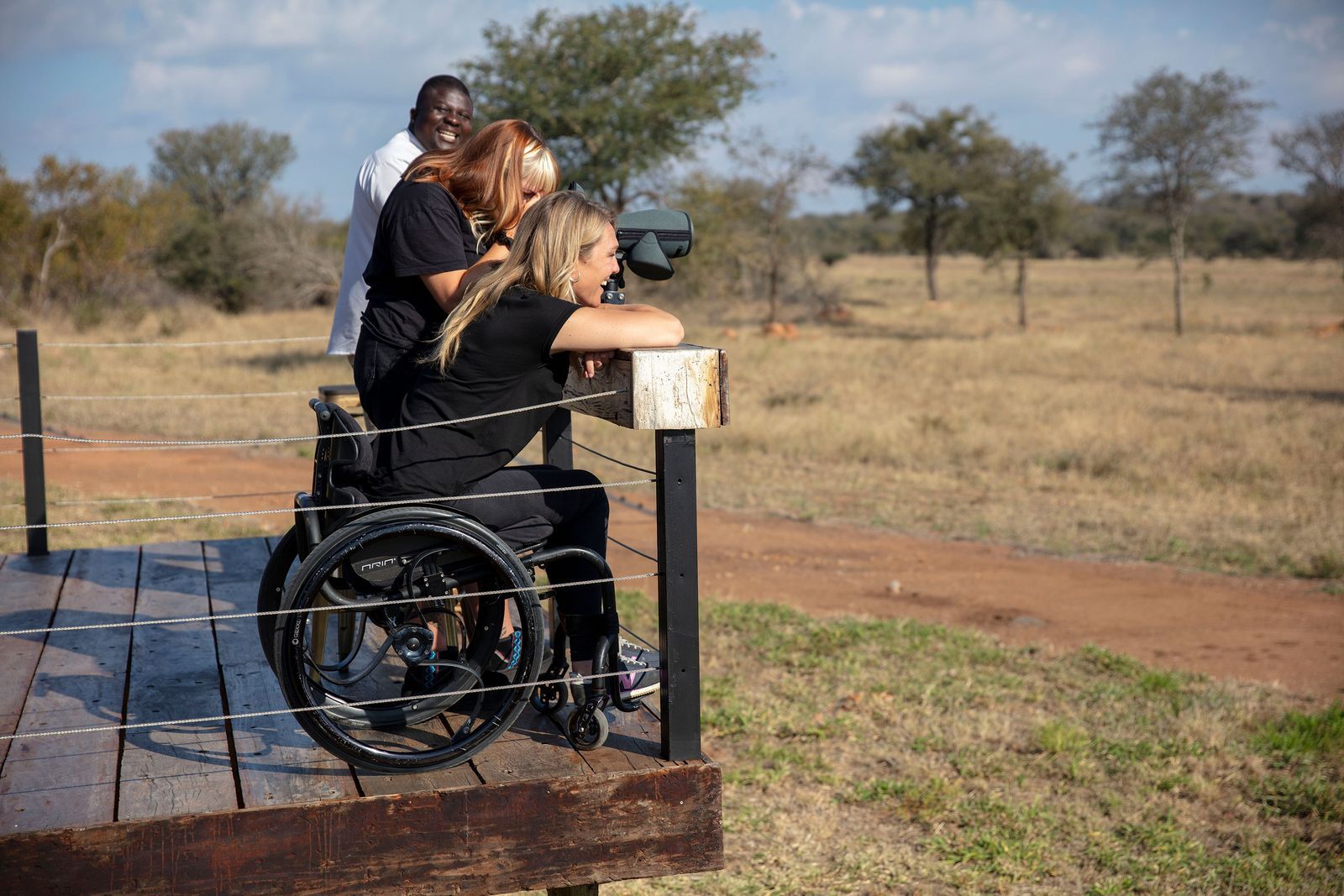
The assumption that wheelchair users and travelers with significant mobility limitations cannot access the African safari experience is one of the most persistent and most incorrect beliefs in the travel industry. It prevents people who could have genuinely transformative wildlife encounters from ever seriously investigating an African trip. In practice, such a trip would be achievable, richly rewarding, and. With the right operator and the right destinations—physically comfortable throughout.
The African safari’s fundamental activity. Sitting in a vehicle watching wildlife in its natural environment. Is inherently one of the most mobility-accessible forms of nature tourism available. No hiking, no climbing, and no physical exertion of any kind is required from the passenger seat of a well-adapted game drive vehicle.
The challenge lies not in the core activity but in the infrastructure surrounding it: vehicle transfer steps, lodge accommodation design, bathroom facilities, uneven bush paths between facilities, and light aircraft requirements. These create access barriers for some travelers with specific mobility impairments while remaining completely manageable for others with different disability profiles.
The key distinction for travelers with mobility limitations is between destinations and lodges that have invested specifically in inclusive access infrastructure versus those that merely describe themselves as accessible because they have no stairs. The second description addresses one barrier while ignoring the equally important question of vehicle transfer assistance, bathroom grab rail configuration, bush path surfacing.
And the specific guide training required to manage transfers safely in a game reserve environment. Genuine inclusive access in the safari context requires specific investment that a limited but meaningful number of operators and lodges have made. Identifying these operators through specific access-focused questions before booking. Rather than accepting a general “yes we accommodate disabled guests” response. Determines whether the trip is genuinely comfortable or merely technically possible.
Best Accessible Safari Destinations
South Africa: The Continent’s Most Accessible Safari Country
Kruger National Park and Eastern Cape Accessible Options
South Africa leads the African continent in accessible safari infrastructure by a significant margin. This is driven partly by the country’s progressive disability rights legislation. The Promotion of Equality and Prevention of Unfair Discrimination Act and the Tourism Service Standards that incorporate universal access provisions. The South African National Parks Authority has also invested in accessible facilities across its public rest camp network.
Kruger National Park operates designated accessible accommodation at several of its rest camps. Including Skukuza, Berg en Dal, Satara, and Letaba. These rooms meet international wheelchair accessibility standards including roll-in showers, grab rails at the correct heights, floor-level beds or bed raisers, turning space adequate for standard wheelchairs. And accessible approach paths from the parking area to the accommodation door.
The park’s tar road network through the southern and central sections is surfaced and maintained at a standard that allows guests in personal vehicles to conduct self-drive game viewing without requiring transfer to a park vehicle. This gives wheelchair users a degree of independence in game drive planning that most African safari destinations cannot offer.
The Eastern Cape private game reserves have invested meaningfully in accessible accommodation. Shamwari Game Reserve’s Lobengula Lodge, Addo Elephant National Park’s Narina Bush Camp. And Kwandwe Private Game Reserve all feature specifically adapted suites with accessible bathrooms and level access from vehicle drop-off to accommodation entrance. The Eastern Cape reserves carry an additional advantage for mobility-impaired travelers: their malaria-free status eliminates the medication management complexity that high-risk malaria destinations add to the planning process.
Road accessibility from Port Elizabeth Airport removes the light aircraft transfers that most premium African safari lodges require. Light aircraft transfers create a significant access barrier for wheelchair users due to step heights, narrow cabin doorways. And the physical transfer from wheelchair to aircraft seat that requires appropriate staff assistance.
A touring vehicle with a hydraulic tail-lift that allows a wheelchair user to board directly from the vehicle rather than climbing steps is available through specialist operators in both the Eastern Cape and the Kruger ecosystem. Confirming availability of this specific vehicle type before booking is essential rather than assuming that a standard safari vehicle with “assistance available” covers the access requirement.
Kenya and Tanzania: Access in East Africa
East Africa presents greater infrastructure challenges for wheelchair users than South Africa. But the region has been addressing these through specific investment by specialist inclusive tourism operators. These operators have modified standard vehicles, trained guide teams in transfer techniques. And built relationships with specific lodges across the Masai Mara, Amboseli. And Kilimanjaro ecosystems that have made genuine rather than cosmetic access investments. Governors Camp in the Masai Mara is one of the most well-documented accessible East African safari lodges.
It has a specific accessible tent designed with level decking access, an adapted bathroom with roll-in shower and correctly positioned grab rails, a lowered basin. And a step-free path from the accommodation to the main camp facilities. The safari vehicles used by Governors’ guiding team include a modified open Land Cruiser with a retractable ramp and swivel seat.
This allows a wheelchair user to transfer into the vehicle’s viewing position without requiring a full weight-bearing standing transfer. A modification that is not standard across the Mara safari vehicle fleet but the lodge specifically maintains for guests who require it.
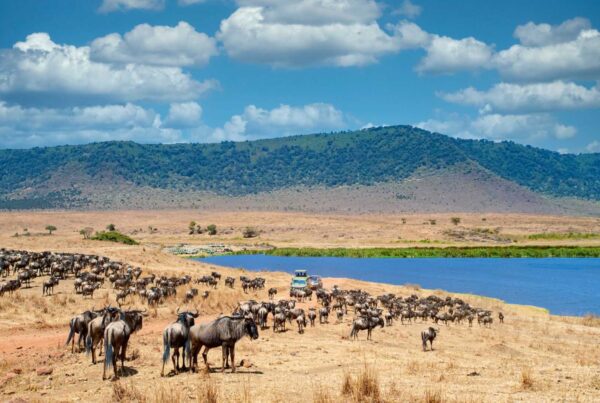
Tanzania’s Ngorongoro Crater provides one of the most compelling accessible wildlife viewing opportunities in East Africa. The crater floor’s compacted road surface and the extraordinary density of wildlife within the 260 square kilometer caldera create conditions where a standard four-wheel drive safari vehicle can access the majority of notable viewing areas. This avoids the rough-track, deep-sand, or river-crossing challenges that characterize driving in many other Tanzanian parks. Lodges on the crater rim. Including Ngorongoro Serena Safari Lodge and the Ngorongoro Sopa Lodge.
Have adapted accommodation available with wheelchair access. The daily descent into the crater is made in a covered 4WD vehicle rather than an open-sided game vehicle. This provides wind and sun protection that is valuable for travelers with sensory sensitivities or limited thermoregulation capacity. The Serengeti’s graded main roads through the central Seronera Valley are manageable in a properly equipped 4WD vehicle for wheelchair users who can transfer into a vehicle seat from their chair.
The extraordinary wildlife density of this world-famous ecosystem creates a game viewing experience of the very highest quality without requiring the vehicle to leave the road network for off-road approach to sightings.
Planning an Accessible Safari: Key Questions and Preparation
What to Ask and How to Prepare
The Essential Accessibility Questions to Ask Any Operator
The questions that distinguish a genuine accessible safari operator from one who has simply agreed to try to accommodate your requirements deserve specific written answers before any booking commitment. Ask for the precise door width in millimeters of the accessible accommodation room, the turning radius available in the bathroom.
And the exact height of the toilet seat from the floor. Ask whether the shower is a roll-in or step-in design and whether the shower chair is fixed to the wall or freestanding. These measurements determine whether a bathroom is actually usable rather than merely carrying a label.
Ask about the path surface and gradient between every facility you will use. Accommodation, dining area, vehicle loading point, swimming pool, and waterhole viewpoint. A level accessible room connected by an unpaved bush path with a 15-degree cross-slope over soft sand is accessible in one sense and completely impractical in another. Ask what specific staff training has covered for guest transfers and what the procedure is if a transfer is more complex than anticipated in the field.
Vehicle access is the make-or-break question for most wheelchair-using safari guests. The honest answer from most safari operators is that standard open game drive vehicles are not wheelchair-accessible in any meaningful sense without specific modification.
The step height from the ground to the vehicle’s lowest running board is typically 50 to 70 centimeters, requiring a standing transfer capability or a portable hydraulic ramp of the specific width and load rating appropriate for the wheelchair being used.
Ask the operator for the specific vehicle model, the step height dimensions. And whether a ramp or hydraulic lift device is available. Also confirm whether it has been tested with the vehicle in question. Rather than assuming that “we can accommodate disabled guests” encompasses this specific equipment provision. This is the difference between arriving to find a solution in place and arriving to discover that the accommodation was more general than the specific access requirement needed.
The most accessible African safari vehicles are the closed touring vehicles that allow private game drives in South Africa’s private game reserves. These offer door handles, lower floor heights, and more interior space than open-sided game drive vehicles. They can be more readily adapted with swivel seats and portable ramp systems.
Plan Your Safari
African Wild Trekkers works with a network of accessibility-specialist partners across South Africa, Kenya, and Tanzania. These partners have made the specific vehicle modifications, staff training investments. And accommodation adaptations that make genuinely accessible safari travel possible rather than merely theoretically achievable. We assess each guest’s specific disability profile and mobility requirements individually.
A manual wheelchair user with full upper body strength has completely different access requirements from a power wheelchair user with limited hand function or a traveler with a lower limb prosthetic who can transfer with minimal assistance. We match those requirements to the specific operators and lodges that can genuinely meet them.
We do not describe any accommodation or vehicle as accessible to guests until we have personally confirmed the specific measurements and procedures with the lodge management. The word accessible covers an enormous range of actual provision in the African safari context.
A lodge that has a roll-in shower is different from one that has a wet room that technically a wheelchair can enter but that lacks the grab rails and turning space to use safely. Only specific questioning and site-specific confirmation can establish this difference. Our commitment to accessible safari planning is a commitment to accuracy rather than reassurance.
Contact African Wild Trekkers at africanwildtrekkers.com/contact with your specific mobility requirements and destination interests and we will identify the genuinely accessible safari options available for your exact needs within 24 hours.