info@africanwildtrekkers.com

info@africanwildtrekkers.com

blog

Community-Based Tourism East Africa: Where Your Safari Dollars Go Local

Making Choices That Maximize Community Benefit

Tanzania’s Wildlife Management Areas

Tanzania’s Wildlife Management Area (WMA) framework — which designates specific community-owned lands adjacent to national parks as areas managed for wildlife and tourism under a revenue-sharing arrangement between the community, the tour operator, and the national government — has produced a set of community conservation outcomes that vary considerably across the thirty-eight designated WMAs but demonstrate at their best the same logic of tourism revenue as a conservation incentive that Kenya’s conservancies have established. The Burunge WMA adjacent to Tarangire National Park, the Enduimet WMA on the slopes of Kilimanjaro, and the Randilen WMA near Lake Manyara have each produced documented reductions in illegal bushmeat hunting, increased wildlife population density within the WMA boundaries, and growing community income from photographic tourism operations that together constitute meaningful evidence for the WMA model’s effectiveness. The challenges that many WMAs face — governance capacity, revenue transparency, competing pressures from domestic cattle grazing traditions, and the long lead time between WMA establishment and sufficient tourism revenue to replace income from land conversion — are real and documented, but they are challenges of implementation and capacity building rather than evidence against the underlying model.

The Maasai-owned and operated Ololosokwan village conservancy in northern Tanzania’s Loliondo region, adjacent to the western Serengeti, demonstrates what community-led rather than externally imposed tourism development looks like when communities control the terms rather than being passive recipients of benefit structures designed by others. Ololosokwan’s community owns its own tourism enterprise — a tented camp with twelve beds operated entirely by community members including as guides, managers, and hospitality staff — and negotiates directly with tour operators for the photographic tourism agreements that fund the enterprise. The revenue generated stays within the community structure rather than flowing to an external lodge management company, community members have genuine decision-making authority over how revenue is distributed and invested, and the connection between wildlife on community land and economic prosperity for community members is direct, visible, and constantly reinforced through the daily experience of running a profitable wildlife tourism business. This model of full community ownership and management is more logistically complex than the lease fee model but produces a fundamentally different quality of community stakeholdership in conservation outcomes.

How Safari Travelers Can Support Community Tourism

Making Choices That Maximize Community Benefit

Choosing the Right Operators and Destinations

The most impactful choice that an individual safari traveler can make to support community-based tourism in East Africa is the selection of their tour operator and their specific accommodation at each destination — because the mechanism through which community benefit reaches communities is the operator’s purchasing decisions and partnership structures rather than anything the individual tourist can do directly in the field. An operator who books exclusively in community conservancy lodges in Kenya’s Mara ecosystem channels tourist dollars to community lease fee structures; an operator who books in lodges inside the national reserve — where no lease fee goes to community landowners — does not, regardless of how responsibly and enthusiastically the individual tourist behaves during their visit. Asking operators specifically which of their recommended lodges sit within community conservancy arrangements, what percentage of the lodge’s land lease fee is confirmed to reach the community, and whether the operator has direct documentation of the community benefit flows produced by their booking pattern distinguishes operators who take this question seriously from those who use community language as marketing without substantive content behind it.

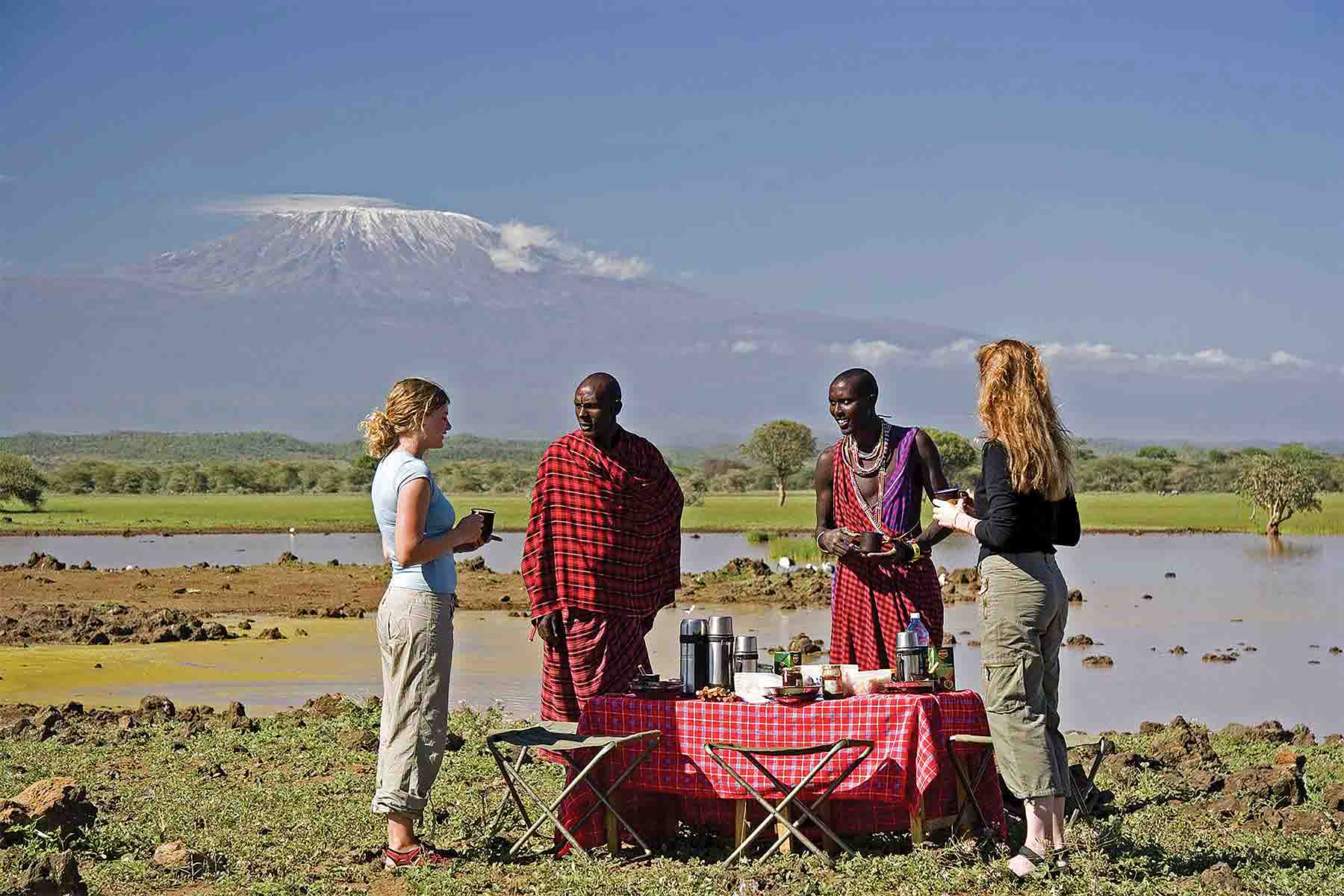
Spending money on genuine community-owned experiences during safari — visiting community cultural centers run by communities rather than commercial intermediaries, purchasing crafts directly from producers at community enterprise shops rather than from lodge curio shops that take significant commissions, participating in community agricultural or food preparation activities organized through the community’s own tourism enterprise — directs tourist spending to community members in a more direct channel than any accommodation arrangement achieves. The Mara Rianda Community Cultural Centre in Kenya’s Masai Mara ecosystem, the Nyiragongo community guide programs in Rwanda’s Volcanoes region, and the community beekeeping and agricultural cooperative visits organized in Tanzania’s Arusha region all represent genuine community enterprises where tourist spending reaches individual community members through their own organization’s revenue structure rather than through employment wages at externally owned lodges. Your guide can typically identify the genuine community enterprises in each destination from the commercial experiences designed to look community-owned without the economic structure to match, and asking your guide this question specifically — which experiences are actually organized and owned by the community versus managed by an external operator? — produces the most reliable local intelligence on where your discretionary spending creates the most direct community impact.

Plan Your Safari

African Wild Trekkers builds community benefit consideration into every itinerary we design, selecting lodges and operators in community conservancy areas wherever the wildlife experience quality is equivalent to or better than the alternatives, and being transparent with guests about the specific community benefit structures at each property we recommend. We have direct relationships with several community-owned tourism enterprises across Kenya, Tanzania, Uganda, and Rwanda that we incorporate into itineraries for guests with a specific interest in community engagement alongside wildlife experience.

We provide every guest with information about the specific community programs funded by each lodge’s community investment, the percentage of staff from local communities at each property, and the community activities available during their stay — because we believe that travelers who understand the specific community connections behind their safari experience engage more deeply with those connections and return home as more effective advocates for the conservation model that makes their experience possible.

Contact African Wild Trekkers at africanwildtrekkers.com/contact with your interest in community-based tourism alongside your safari destination preferences and we will design an itinerary that maximizes both wildlife experience and genuine community benefit within 24 hours.
The Laikipia and Mara Conservancy Models

Kenya’s community conservancy system — which has grown to encompass over 160 individual community conservancies covering more than 11 million acres of land managed primarily for wildlife conservation and associated tourism revenue — represents the most advanced and most studied community-based conservation model in Africa. The central mechanism is a land lease arrangement in which a tourism company or conservation organization pays a monthly per-acre lease fee to the community that owns the land, the community agrees to manage the land for wildlife rather than converting it to agriculture or intensive livestock grazing, and the tourism revenue generated from game drives and lodge accommodation flows back to the community through a combination of direct payment and shared services. In Kenya’s Mara ecosystem, private conservancies surrounding the Masai Mara National Reserve — including Ol Kinyei, Mara North, Naboisho, Olare Motorogi, and Lemek — have created a community-funded conservation buffer around the national reserve that has dramatically expanded the effective wildlife area accessible to Mara ecosystem species while simultaneously providing Maasai pastoralist families with income that supplements or exceeds what they could earn from the same land in cattle production.

The financial mechanics of Mara conservancy model benefit distribution reveal both the strengths and the challenges of community-based tourism as a conservation funding mechanism. A conservancy like Naboisho charges its three to five lodge partners a monthly per-acre lease fee totaling approximately $500,000 to $800,000 per year, distributed among the 500 to 700 Maasai families who own the land through the community structure. This translates to between $700 and $1,600 per family per year — meaningful supplementary income in a pastoral economy where a family’s cattle herd represents its primary wealth — plus employment income for community members working as guides, camp staff, rangers, and administrators within the conservancy’s operations. The Naboisho model also directs a specific percentage of conservancy revenue to the Naibosho Community Education Fund, a Naboisho Community Health Fund, and a ranger salary fund that employs forty community rangers who conduct daily wildlife monitoring and anti-poaching patrols independently of the Kenya Wildlife Service. This multi-stream benefit model — direct income, employment, health, education, and conservation infrastructure — represents the full expression of what community-based tourism can deliver when the revenue flows are properly structured and transparently managed.

Tanzania’s Wildlife Management Areas

Tanzania’s Wildlife Management Area (WMA) framework — which designates specific community-owned lands adjacent to national parks as areas managed for wildlife and tourism under a revenue-sharing arrangement between the community, the tour operator, and the national government — has produced a set of community conservation outcomes that vary considerably across the thirty-eight designated WMAs but demonstrate at their best the same logic of tourism revenue as a conservation incentive that Kenya’s conservancies have established. The Burunge WMA adjacent to Tarangire National Park, the Enduimet WMA on the slopes of Kilimanjaro, and the Randilen WMA near Lake Manyara have each produced documented reductions in illegal bushmeat hunting, increased wildlife population density within the WMA boundaries, and growing community income from photographic tourism operations that together constitute meaningful evidence for the WMA model’s effectiveness. The challenges that many WMAs face — governance capacity, revenue transparency, competing pressures from domestic cattle grazing traditions, and the long lead time between WMA establishment and sufficient tourism revenue to replace income from land conversion — are real and documented, but they are challenges of implementation and capacity building rather than evidence against the underlying model.

The Maasai-owned and operated Ololosokwan village conservancy in northern Tanzania’s Loliondo region, adjacent to the western Serengeti, demonstrates what community-led rather than externally imposed tourism development looks like when communities control the terms rather than being passive recipients of benefit structures designed by others. Ololosokwan’s community owns its own tourism enterprise — a tented camp with twelve beds operated entirely by community members including as guides, managers, and hospitality staff — and negotiates directly with tour operators for the photographic tourism agreements that fund the enterprise. The revenue generated stays within the community structure rather than flowing to an external lodge management company, community members have genuine decision-making authority over how revenue is distributed and invested, and the connection between wildlife on community land and economic prosperity for community members is direct, visible, and constantly reinforced through the daily experience of running a profitable wildlife tourism business. This model of full community ownership and management is more logistically complex than the lease fee model but produces a fundamentally different quality of community stakeholdership in conservation outcomes.

How Safari Travelers Can Support Community Tourism

Making Choices That Maximize Community Benefit

Choosing the Right Operators and Destinations

The most impactful choice that an individual safari traveler can make to support community-based tourism in East Africa is the selection of their tour operator and their specific accommodation at each destination — because the mechanism through which community benefit reaches communities is the operator’s purchasing decisions and partnership structures rather than anything the individual tourist can do directly in the field. An operator who books exclusively in community conservancy lodges in Kenya’s Mara ecosystem channels tourist dollars to community lease fee structures; an operator who books in lodges inside the national reserve — where no lease fee goes to community landowners — does not, regardless of how responsibly and enthusiastically the individual tourist behaves during their visit. Asking operators specifically which of their recommended lodges sit within community conservancy arrangements, what percentage of the lodge’s land lease fee is confirmed to reach the community, and whether the operator has direct documentation of the community benefit flows produced by their booking pattern distinguishes operators who take this question seriously from those who use community language as marketing without substantive content behind it.

Spending money on genuine community-owned experiences during safari — visiting community cultural centers run by communities rather than commercial intermediaries, purchasing crafts directly from producers at community enterprise shops rather than from lodge curio shops that take significant commissions, participating in community agricultural or food preparation activities organized through the community’s own tourism enterprise — directs tourist spending to community members in a more direct channel than any accommodation arrangement achieves. The Mara Rianda Community Cultural Centre in Kenya’s Masai Mara ecosystem, the Nyiragongo community guide programs in Rwanda’s Volcanoes region, and the community beekeeping and agricultural cooperative visits organized in Tanzania’s Arusha region all represent genuine community enterprises where tourist spending reaches individual community members through their own organization’s revenue structure rather than through employment wages at externally owned lodges. Your guide can typically identify the genuine community enterprises in each destination from the commercial experiences designed to look community-owned without the economic structure to match, and asking your guide this question specifically — which experiences are actually organized and owned by the community versus managed by an external operator? — produces the most reliable local intelligence on where your discretionary spending creates the most direct community impact.

Plan Your Safari

African Wild Trekkers builds community benefit consideration into every itinerary we design, selecting lodges and operators in community conservancy areas wherever the wildlife experience quality is equivalent to or better than the alternatives, and being transparent with guests about the specific community benefit structures at each property we recommend. We have direct relationships with several community-owned tourism enterprises across Kenya, Tanzania, Uganda, and Rwanda that we incorporate into itineraries for guests with a specific interest in community engagement alongside wildlife experience.

We provide every guest with information about the specific community programs funded by each lodge’s community investment, the percentage of staff from local communities at each property, and the community activities available during their stay — because we believe that travelers who understand the specific community connections behind their safari experience engage more deeply with those connections and return home as more effective advocates for the conservation model that makes their experience possible.

Contact African Wild Trekkers at africanwildtrekkers.com/contact with your interest in community-based tourism alongside your safari destination preferences and we will design an itinerary that maximizes both wildlife experience and genuine community benefit within 24 hours.
Why Community Benefit Is the Foundation of Sustainable Safari

The economic relationship between African safari tourism and the communities who live adjacent to the wildlife areas that make those safaris possible is not an abstract social good or a marketing add-on — it is the foundational mechanism through which wildlife conservation is either made sustainable or rendered impossible over time. The logic is straightforward and has been validated across dozens of conservation case studies throughout East and Southern Africa over the past four decades: communities that receive meaningful financial benefit from living alongside wildlife, and from the tourism that wildlife attracts, develop a genuine economic stake in wildlife survival that makes them active participants in conservation rather than competitors with it. Communities that receive no benefit from wildlife that damages their crops, threatens their livestock, and occupies land that could alternatively be farmed, grazed, or developed have a rational economic interest in wildlife’s elimination rather than its protection — and no amount of external conservation organization advocacy, governmental regulation, or international moral pressure effectively overrides that economic logic over the long term.

The transition from community as conservation obstacle to community as conservation partner has been the defining shift in African conservation philosophy since the late 1980s, and the most successful community-based tourism models in East Africa demonstrate with quantitative evidence that this transition — when properly resourced, carefully managed, and genuinely community-led rather than externally imposed — produces better wildlife conservation outcomes, better economic development outcomes, and more authentic and meaningful tourist experiences simultaneously. Understanding how these models work, which communities are genuinely benefiting and how, and how safari travelers can choose operators and experiences that strengthen rather than bypass community benefit relationships makes the difference between safari tourism that contributes to Africa’s conservation future and safari tourism that consumes the landscape’s wildlife while returning minimal value to the people whose tolerance makes it possible.

Community Conservancy Models in East Africa

Kenya’s Community Conservancy System

The Laikipia and Mara Conservancy Models

Kenya’s community conservancy system — which has grown to encompass over 160 individual community conservancies covering more than 11 million acres of land managed primarily for wildlife conservation and associated tourism revenue — represents the most advanced and most studied community-based conservation model in Africa. The central mechanism is a land lease arrangement in which a tourism company or conservation organization pays a monthly per-acre lease fee to the community that owns the land, the community agrees to manage the land for wildlife rather than converting it to agriculture or intensive livestock grazing, and the tourism revenue generated from game drives and lodge accommodation flows back to the community through a combination of direct payment and shared services. In Kenya’s Mara ecosystem, private conservancies surrounding the Masai Mara National Reserve — including Ol Kinyei, Mara North, Naboisho, Olare Motorogi, and Lemek — have created a community-funded conservation buffer around the national reserve that has dramatically expanded the effective wildlife area accessible to Mara ecosystem species while simultaneously providing Maasai pastoralist families with income that supplements or exceeds what they could earn from the same land in cattle production.

The financial mechanics of Mara conservancy model benefit distribution reveal both the strengths and the challenges of community-based tourism as a conservation funding mechanism. A conservancy like Naboisho charges its three to five lodge partners a monthly per-acre lease fee totaling approximately $500,000 to $800,000 per year, distributed among the 500 to 700 Maasai families who own the land through the community structure. This translates to between $700 and $1,600 per family per year — meaningful supplementary income in a pastoral economy where a family’s cattle herd represents its primary wealth — plus employment income for community members working as guides, camp staff, rangers, and administrators within the conservancy’s operations. The Naboisho model also directs a specific percentage of conservancy revenue to the Naibosho Community Education Fund, a Naboisho Community Health Fund, and a ranger salary fund that employs forty community rangers who conduct daily wildlife monitoring and anti-poaching patrols independently of the Kenya Wildlife Service. This multi-stream benefit model — direct income, employment, health, education, and conservation infrastructure — represents the full expression of what community-based tourism can deliver when the revenue flows are properly structured and transparently managed.

Tanzania’s Wildlife Management Areas

Tanzania’s Wildlife Management Area (WMA) framework — which designates specific community-owned lands adjacent to national parks as areas managed for wildlife and tourism under a revenue-sharing arrangement between the community, the tour operator, and the national government — has produced a set of community conservation outcomes that vary considerably across the thirty-eight designated WMAs but demonstrate at their best the same logic of tourism revenue as a conservation incentive that Kenya’s conservancies have established. The Burunge WMA adjacent to Tarangire National Park, the Enduimet WMA on the slopes of Kilimanjaro, and the Randilen WMA near Lake Manyara have each produced documented reductions in illegal bushmeat hunting, increased wildlife population density within the WMA boundaries, and growing community income from photographic tourism operations that together constitute meaningful evidence for the WMA model’s effectiveness. The challenges that many WMAs face — governance capacity, revenue transparency, competing pressures from domestic cattle grazing traditions, and the long lead time between WMA establishment and sufficient tourism revenue to replace income from land conversion — are real and documented, but they are challenges of implementation and capacity building rather than evidence against the underlying model.

The Maasai-owned and operated Ololosokwan village conservancy in northern Tanzania’s Loliondo region, adjacent to the western Serengeti, demonstrates what community-led rather than externally imposed tourism development looks like when communities control the terms rather than being passive recipients of benefit structures designed by others. Ololosokwan’s community owns its own tourism enterprise — a tented camp with twelve beds operated entirely by community members including as guides, managers, and hospitality staff — and negotiates directly with tour operators for the photographic tourism agreements that fund the enterprise. The revenue generated stays within the community structure rather than flowing to an external lodge management company, community members have genuine decision-making authority over how revenue is distributed and invested, and the connection between wildlife on community land and economic prosperity for community members is direct, visible, and constantly reinforced through the daily experience of running a profitable wildlife tourism business. This model of full community ownership and management is more logistically complex than the lease fee model but produces a fundamentally different quality of community stakeholdership in conservation outcomes.

How Safari Travelers Can Support Community Tourism

Making Choices That Maximize Community Benefit

Choosing the Right Operators and Destinations

The most impactful choice that an individual safari traveler can make to support community-based tourism in East Africa is the selection of their tour operator and their specific accommodation at each destination — because the mechanism through which community benefit reaches communities is the operator’s purchasing decisions and partnership structures rather than anything the individual tourist can do directly in the field. An operator who books exclusively in community conservancy lodges in Kenya’s Mara ecosystem channels tourist dollars to community lease fee structures; an operator who books in lodges inside the national reserve — where no lease fee goes to community landowners — does not, regardless of how responsibly and enthusiastically the individual tourist behaves during their visit. Asking operators specifically which of their recommended lodges sit within community conservancy arrangements, what percentage of the lodge’s land lease fee is confirmed to reach the community, and whether the operator has direct documentation of the community benefit flows produced by their booking pattern distinguishes operators who take this question seriously from those who use community language as marketing without substantive content behind it.

Spending money on genuine community-owned experiences during safari — visiting community cultural centers run by communities rather than commercial intermediaries, purchasing crafts directly from producers at community enterprise shops rather than from lodge curio shops that take significant commissions, participating in community agricultural or food preparation activities organized through the community’s own tourism enterprise — directs tourist spending to community members in a more direct channel than any accommodation arrangement achieves. The Mara Rianda Community Cultural Centre in Kenya’s Masai Mara ecosystem, the Nyiragongo community guide programs in Rwanda’s Volcanoes region, and the community beekeeping and agricultural cooperative visits organized in Tanzania’s Arusha region all represent genuine community enterprises where tourist spending reaches individual community members through their own organization’s revenue structure rather than through employment wages at externally owned lodges. Your guide can typically identify the genuine community enterprises in each destination from the commercial experiences designed to look community-owned without the economic structure to match, and asking your guide this question specifically — which experiences are actually organized and owned by the community versus managed by an external operator? — produces the most reliable local intelligence on where your discretionary spending creates the most direct community impact.

Plan Your Safari

African Wild Trekkers builds community benefit consideration into every itinerary we design, selecting lodges and operators in community conservancy areas wherever the wildlife experience quality is equivalent to or better than the alternatives, and being transparent with guests about the specific community benefit structures at each property we recommend. We have direct relationships with several community-owned tourism enterprises across Kenya, Tanzania, Uganda, and Rwanda that we incorporate into itineraries for guests with a specific interest in community engagement alongside wildlife experience.

We provide every guest with information about the specific community programs funded by each lodge’s community investment, the percentage of staff from local communities at each property, and the community activities available during their stay — because we believe that travelers who understand the specific community connections behind their safari experience engage more deeply with those connections and return home as more effective advocates for the conservation model that makes their experience possible.

Contact African Wild Trekkers at africanwildtrekkers.com/contact with your interest in community-based tourism alongside your safari destination preferences and we will design an itinerary that maximizes both wildlife experience and genuine community benefit within 24 hours.