The Umbwe Route: Kilimanjaro’s Steepest and Most Demanding Climb
The Umbwe Route stands as the most direct and most physically demanding path to the summit of Mount Kilimanjaro. It rises quickly from the southern rainforest and cuts steeply into the mountain’s upper slopes. Because of its sharp ascent and limited acclimatization time, this route attracts experienced trekkers who want a raw, challenging, and less commercialized Kilimanjaro experience.
Unlike routes that gradually ease climbers into altitude, Umbwe moves fast and tests endurance from the very beginning. It rewards strong hikers with dramatic scenery, quiet trails, and a powerful sense of isolation. At the same time, it demands careful preparation and a realistic understanding of high-altitude trekking.
A Steep Start Through Dense Rainforest
The Umbwe Route begins in Kilimanjaro’s southern rainforest, where thick vegetation creates a shaded and humid environment. The trail quickly climbs upward, and the gradient remains steep almost immediately after the trek begins.
Tall trees dominate the forest canopy while vines and moss hang from branches, creating a dense green world at the base of the mountain. The trail feels narrow in many sections, and the constant ascent sets a demanding pace from the first hours of the climb.
This early stage does not offer a gentle introduction. Instead, it pushes climbers into continuous elevation gain that continues for much of the route. The forest eventually thins as altitude increases, but the steepness remains a defining characteristic.
Rapid Ascent and Limited Acclimatization
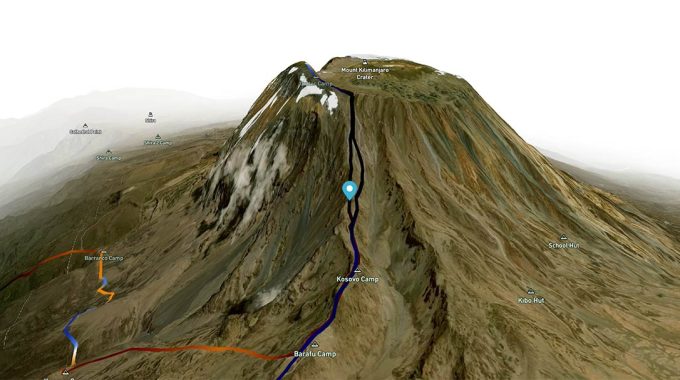
The Umbwe Route gains altitude faster than any other Kilimanjaro route. This direct approach reduces the time available for the body to adjust to thinning air, which increases the risk of altitude-related difficulties.
Many climbers underestimate how quickly conditions change on this route. Even physically strong hikers can feel the effects of altitude if they ascend too rapidly. Headaches, fatigue, and shortness of breath can appear earlier compared to longer routes such as Lemosho or Machame.
Because of this challenge, most trekking operators design Umbwe itineraries carefully to include acclimatization adjustments after the initial ascent. In many cases, the route joins the Southern Circuit after the first couple of days, allowing climbers to benefit from more gradual altitude gain later in the trek.
Despite this adjustment, Umbwe still remains one of the most intense routes on Kilimanjaro.
Entering the Heath and Moorland Zone
As climbers leave the rainforest behind, the landscape opens into heath and moorland. Vegetation becomes less dense, and the mountain reveals its volcanic character.
Giant heathers, scattered shrubs, and unusual high-altitude plants define this section. The air becomes cooler and drier, and visibility improves significantly compared to the forest below.
The steep gradient continues, but the openness of the landscape allows climbers to appreciate the scale of Kilimanjaro. The southern slopes appear dramatic and rugged, reinforcing the challenging nature of the route.
This transition marks the beginning of the mountain’s high-altitude environment, where every step requires more effort and careful pacing.
Joining the Southern Circuit
After the initial steep climb, the Umbwe Route merges with the Southern Circuit near Barranco Valley. This connection becomes a crucial turning point in the trek because it introduces better acclimatization opportunities and more varied terrain.
From this stage onward, climbers follow a similar path to those on the Machame or Lemosho routes. The landscape becomes more diverse, and the pace of ascent slows slightly.
The Barranco area introduces one of Kilimanjaro’s most iconic features, the Barranco Wall. This rocky escarpment looks intimidating from below, but it does not require technical climbing. Trekkers use hands for balance while following a zigzag path to the top. The climb rewards hikers with stunning views of glaciers, valleys, and surrounding peaks.
Although Umbwe begins as the most aggressive route, it gradually blends into the more scenic southern circuit as it approaches the upper mountain.
The Alpine Desert Zone and High-Altitude Exposure
Beyond Barranco and Karanga Valley, the route enters the alpine desert zone. This environment feels stark and exposed, with minimal vegetation and dramatic volcanic terrain.
Daytime conditions often feel dry and bright, while nighttime temperatures drop sharply. The contrast between heat and cold becomes more pronounced as climbers gain elevation.
The landscape consists mainly of volcanic rock, scree slopes, and wide open spaces. This section emphasizes endurance and mental strength, especially as oxygen levels continue to decrease.
The isolation of the alpine desert creates a powerful trekking experience. Climbers often feel completely surrounded by the mountain’s geological history, with little distraction beyond the trail ahead.
Summit Night on the Umbwe Route
Summit night represents the most challenging moment of the entire climb. Trekkers usually begin their ascent shortly after midnight, moving slowly through darkness toward the crater rim.
The route follows steep scree slopes where each step requires effort and concentration. Cold temperatures and thin air combine to create a physically demanding environment.
Climbers rely heavily on mental focus during this stage. Progress feels slow, but consistent movement leads gradually toward Stella Point on the crater rim. From there, the final stretch to Uhuru Peak becomes a mental and emotional push as much as a physical one.
Reaching the summit at sunrise delivers a powerful reward. The glaciers reflect early light, and the vast African landscape stretches far below. For many climbers on the Umbwe Route, this moment feels especially meaningful because of the difficulty endured along the way.
Descent and Recovery
After reaching the summit, climbers descend using either the Mweka or Barafu descent routes. The descent allows the body to recover quickly as altitude decreases.
The change in environment feels dramatic. Climbers move from icy summit conditions back through alpine desert and eventually into rainforest zones. This transition highlights Kilimanjaro’s ecological diversity in a single journey.
The descent also provides time to reflect on the intensity of the Umbwe Route. Many trekkers describe the return journey as physically easier but emotionally reflective after completing such a demanding ascent.
Who Should Choose the Umbwe Route?
The Umbwe Route suits experienced trekkers who have already completed high-altitude hikes or who understand how their bodies respond to rapid elevation gain. It appeals to climbers seeking a quiet, steep, and physically demanding challenge.
This route does not suit beginners or climbers unfamiliar with altitude. The fast ascent and limited acclimatization time require strong preparation and realistic expectations.
Trekkers who choose Umbwe often prioritize adventure and difficulty over comfort. They value solitude on the trail and enjoy routes that feel remote and less commercialized.
Weather and Conditions on the Umbwe Route
Weather conditions on Umbwe vary significantly with altitude. The rainforest section receives frequent moisture and can become slippery during rainy seasons. Higher zones remain drier but experience strong temperature shifts between day and night.
Wind exposure increases in the upper sections, particularly in open alpine areas. Climbers must prepare for cold nighttime temperatures and intense sun during daytime trekking.
Because conditions change quickly, layered clothing and proper gear become essential throughout the climb.
Why the Umbwe Route Stands Out
The Umbwe Route stands out because of its directness and intensity. It offers one of the most physically demanding climbs on Kilimanjaro, combined with a sense of solitude that many other routes cannot match.
Although it starts as a steep and challenging ascent, it eventually connects with the more scenic southern circuit, creating a balanced experience of difficulty and beauty.
For climbers who want a raw and powerful mountain experience, Umbwe delivers a journey that feels both intense and rewarding.