Which Kilimanjaro Route Offers the Best Summit Success Rate?
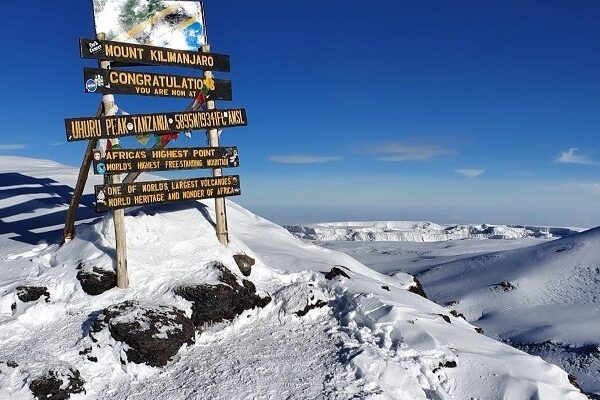
Climbing Mount Kilimanjaro is not a technical ascent, but success depends heavily on one critical factor: acclimatization. Every route leads to Uhuru Peak, yet not every route gives climbers the same chance of getting there. Some itineraries move too fast, while others allow the body enough time to adjust to thinning air. This difference directly shapes summit success rates across Kilimanjaro’s major routes.
When climbers ask which route offers the best chance of reaching the summit, the answer consistently points toward the longer, more gradual western approaches. These routes give the body time to adapt, reduce the risk of altitude sickness, and improve overall endurance on summit night.
The Role of Acclimatization in Summit Success
Altitude remains the biggest challenge on Kilimanjaro. As climbers ascend, oxygen levels drop, and the body must work harder to function normally. Even strong, fit hikers struggle if they ascend too quickly.
Routes that allow gradual elevation gain significantly improve the chances of reaching the summit. The body adapts better when climbers follow a steady rhythm of climbing higher during the day and sleeping at a slightly lower altitude. This process helps reduce symptoms such as headaches, fatigue, and nausea.
Shorter routes often compress this process into fewer days, which reduces acclimatization time and lowers summit success rates. Longer routes spread the climb across more days, giving climbers a stronger physiological advantage.
Northern Circuit Route: The Highest Success Rate
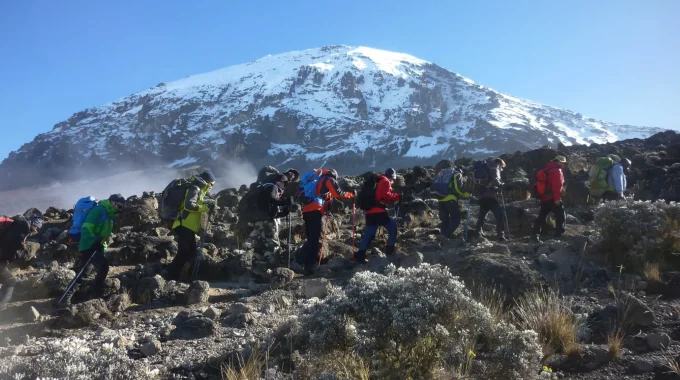
The Northern Circuit consistently records the highest summit success rate on Mount Kilimanjaro. This route takes the longest time to complete and circles around the quieter northern slopes of the mountain before joining the final ascent.
The extended duration allows climbers to adjust gradually to altitude changes. The body experiences a slower and more controlled increase in elevation, which improves oxygen efficiency and stamina during summit night.
The route also stays relatively quiet, which reduces pressure from crowding and creates a more relaxed trekking environment. Climbers often maintain steady pacing without rushing, which further supports acclimatization.
Because of these combined factors, the Northern Circuit stands as the most reliable option for climbers who prioritize reaching Uhuru Peak over speed or cost.
Lemosho Route: Strong Balance of Scenery and Success
The Lemosho Route ranks just behind the Northern Circuit in terms of summit success rates. It approaches Kilimanjaro from the western side and begins in remote forest areas before crossing the Shira Plateau and joining the southern circuit.
This route allows for a gradual ascent profile that supports acclimatization from the first days of the trek. Climbers spend more time at intermediate altitudes, which gives the body space to adjust naturally.
The Lemosho Route also benefits from low traffic in the early stages. This creates a calm trekking rhythm that reduces fatigue and allows climbers to maintain consistent energy levels.
Because it combines excellent acclimatization, scenic diversity, and a manageable pace, Lemosho remains one of the most recommended routes for first-time Kilimanjaro climbers.
Machame Route: High Success with Proper Duration
The Machame Route also performs well in terms of summit success, especially when climbers choose the six or seven-day itinerary instead of shorter options.
This route follows a “climb high, sleep low” approach that plays a major role in improving acclimatization. Key sections like Lava Tower force the body to experience higher altitudes during the day before returning to lower camps for rest.
This pattern strengthens the body’s ability to handle low oxygen conditions near the summit. However, success rates depend heavily on the chosen duration. Shorter Machame itineraries reduce acclimatization time and increase difficulty on summit night.
With proper pacing and sufficient days, Machame delivers strong success rates and remains one of the most popular routes on the mountain.
Rongai Route: Steady and Reliable Performance
The Rongai Route offers a more gradual and steady ascent from the northern side of Kilimanjaro. While it does not provide the same level of scenic diversity as western routes, it supports consistent acclimatization due to its gentle slope.
The route’s dry conditions also contribute to comfort during the trek. Less rainfall means fewer disruptions and more stable hiking conditions, which helps climbers maintain energy levels.
Rongai performs well in summit success because it avoids steep altitude gains in the early stages. Climbers progress steadily, which reduces the risk of altitude-related complications.
Although it does not match Lemosho or Northern Circuit in overall success rates, it remains a strong and dependable option.
Marangu Route: Lower Success Rate Despite Comfort
The Marangu Route offers hut accommodation, which makes it appealing to many climbers. However, it consistently records lower summit success rates compared to longer routes.
The main reason lies in its short itinerary. Most climbers attempt the ascent in five days, which leaves limited time for acclimatization. The rapid altitude gain places pressure on the body, especially during the final push to the summit.
Even though the trail itself is not technically difficult, the lack of adequate acclimatization reduces overall success. Many climbers underestimate how strongly altitude affects performance.
Extending the itinerary improves results, but Marangu still remains less effective than longer western routes.
Umbwe Route: The Lowest Success Rate for Most Climbers
The Umbwe Route stands as the steepest and fastest ascent on Kilimanjaro. It gains altitude quickly and offers minimal acclimatization during the early stages.
Because of this rapid elevation gain, many climbers struggle with altitude sickness. Even physically strong trekkers face challenges if they do not adapt quickly enough.
Although the route later joins the southern circuit and benefits from improved acclimatization, the early stages still reduce overall success rates.
Umbwe attracts experienced hikers who prioritize challenge over probability of success, but it remains the least forgiving route on the mountain.
Shira Route: High Start, Higher Risk
The Shira Route begins at a higher altitude compared to most other routes. While this provides early exposure to dramatic landscapes, it also reduces the body’s ability to adjust gradually.
Climbers start closer to 3,500 meters, which increases the likelihood of early altitude symptoms. Without careful pacing and proper acclimatization days, this can affect overall summit performance.
For this reason, many operators recommend Lemosho instead of Shira for better results, especially for first-time climbers.
What Actually Determines Summit Success
While route choice pl|ays a major role, other factors also influence whether climbers reach Uhuru Peak. Physical fitness helps, but it does not guarantee success. The most important factor remains how well the body adapts to altitude.
Proper hydration, slow pacing, and listening to guides significantly improve outcomes. Mental resilience also plays a major role, especially during summit night when fatigue becomes intense.
Weather conditions, seasonal timing, and guide experience also influence performance, but acclimatization remains the most decisive element.
The Clear Conclusion
The Northern Circuit offers the highest summit success rate on Kilimanjaro due to its extended duration and excellent acclimatization profile. Lemosho follows closely behind and remains the most popular choice for climbers who want a strong balance between success, scenery, and time efficiency.
Machame also performs well when climbers choose longer itineraries. Rongai provides steady and reliable results, while Marangu and Umbwe record lower success rates due to shorter and steeper ascents.
For most climbers, the best strategy is not just choosing a route, but choosing enough time on that route to allow the body to adapt properly. That decision ultimately determines whether the journey ends at Uhuru Peak or below it.