African Elephant Behavior: Intelligence, Family Bonds and Life on the Savanna
The African elephant is the largest land animal on earth. It is also one of the most intelligent, emotionally complex, and socially sophisticated. Its family structure mirrors that of primates more than any other large mammal. Its communication system includes infrasound calls inaudible to human ears. It mourns its dead and solves novel problems. It remembers individuals and locations across decades. Watching elephants in the field with knowledge of their behavior transforms every encounter.
Family Structure: The Matriarch and Her Lineage
African elephant society organizes around the female family unit. A family consists of an older matriarch, her daughters, her granddaughters, and their calves—typically 6 to 20 individuals. The matriarch leads all movement decisions: when to walk, where to drink, and when to retreat from threat. Her experience — accumulated over 40 or 50 years — is the family’s most important resource. Families with older, more experienced matriarchs show better survival in drought years and better predator avoidance in areas with human pressure.
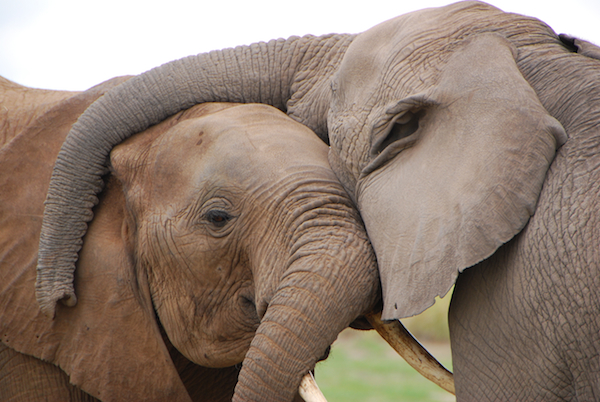
Multiple families that share a matriarchal lineage form a bond group. Several bond groups together form a clan. The clan shares a home range but does not travel together daily. Extended family members recognize each other after years of separation. Reunions between family groups involve intense greeting ceremonies—rumbling, touching faces and mouths, spinning, and urinating simultaneously in apparent excitement.
Bull Elephants: Musth and Male Society
Male elephants leave their natal family between the ages of 10 and 15 years. They join loose all-male bachelor groups. Older bulls tolerate younger males and pass on social knowledge through interactions over years. This male sociality is important for learning and for behavioral stability. Bulls without older male mentors in fragmented habitats develop abnormal aggression.
Sexually mature bulls cycle through a state called “musth”—a period of heightened testosterone and reproductive drive. Bulls in musth have swollen temporal glands that seep a dark discharge. They dribble urine continuously. They are aggressive and persistent. Musth lasts weeks to months. A bull in musth outcompetes larger, non-musth bulls for mating access because the hormonal drive sustains pursuit and competition for longer periods.
Communication: Sound, Touch, and Chemistry
Elephants communicate across distances of several kilometers using infrasound calls—low-frequency rumbles below the threshold of human hearing. These calls carry contact information, alarm signals, reproductive state, and individual identity. A family matriarch hearing the infrasound call of a familiar individual from 3 kilometers away will orient toward the sound and may lead the family toward the caller. This long-distance acoustic communication integrates family members dispersed across a large landscape.
Chemosensory communication supplements the acoustic system. Elephants investigate dung, urine deposits, and secretions from the temporal glands and feet with their trunks. A young bull approaching a musth deposit from an older bull can assess the depositing individual’s age, identity, and reproductive state from the chemical information in the secretion. This assessment guides competitive decisions—whether to approach, challenge, or avoid.
Feeding and Ecosystem Engineering
An adult elephant eats between 150 and 200 kilograms of vegetation per day. This consumption modifies the landscape around it profoundly. Elephants push over trees for bark and roots. They dig for water in dry riverbeds, creating waterholes used by dozens of other species and They disperse seeds in dung across distances of tens of kilometers. They create clearings in dense bush that favor grass growth and open-country prey species. Elephant presence in an ecosystem increases biodiversity by creating habitat heterogeneity that supports species the closed-canopy alternative would exclude.
Mourning and Memory
Documented elephant responses to dead family members include returning to the bones of deceased relatives for years after death. Family members touch and investigate the bones with their trunks and feet—spending more time with the remains of familiar individuals than with those of strangers. Whether this constitutes grief in a human emotional sense is debated. The behavior is real, repeatable, and distinct from any functional purpose. It is among the strongest evidence in the animal world for something resembling mourning behavior.
Plan Your Safari
Kenya’s Amboseli National Park offers the finest elephant watching in East Africa. The park’s shallow swamps and open short-grass plains keep large family groups visible for extended periods. The Amboseli population is among the most studied in the world—the research begun by Cynthia Moss in 1972 continues today. Uganda’s Queen Elizabeth National Park, Tanzania’s Tarangire, and Rwanda’s Akagera also offer outstanding elephant-family watching opportunities.
African Wild Trekkers plans Kenya and Tanzania itineraries around Amboseli and Tarangire for dedicated elephant watching. Contact us to design a safari built around this extraordinary animal.