Africa Solo Safari Guide: The Best Countries for Traveling Alone
Solo Safari in Africa: A Practical Guide for Independent Travelers
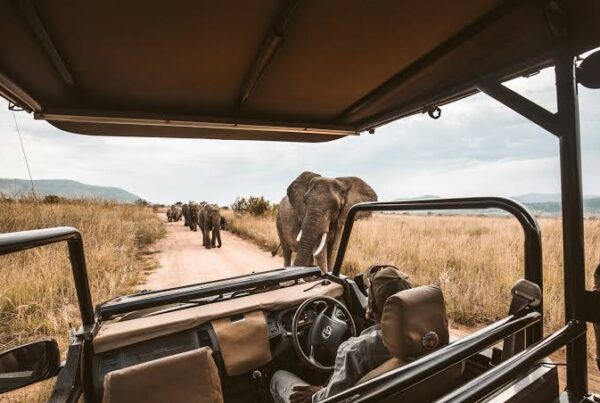
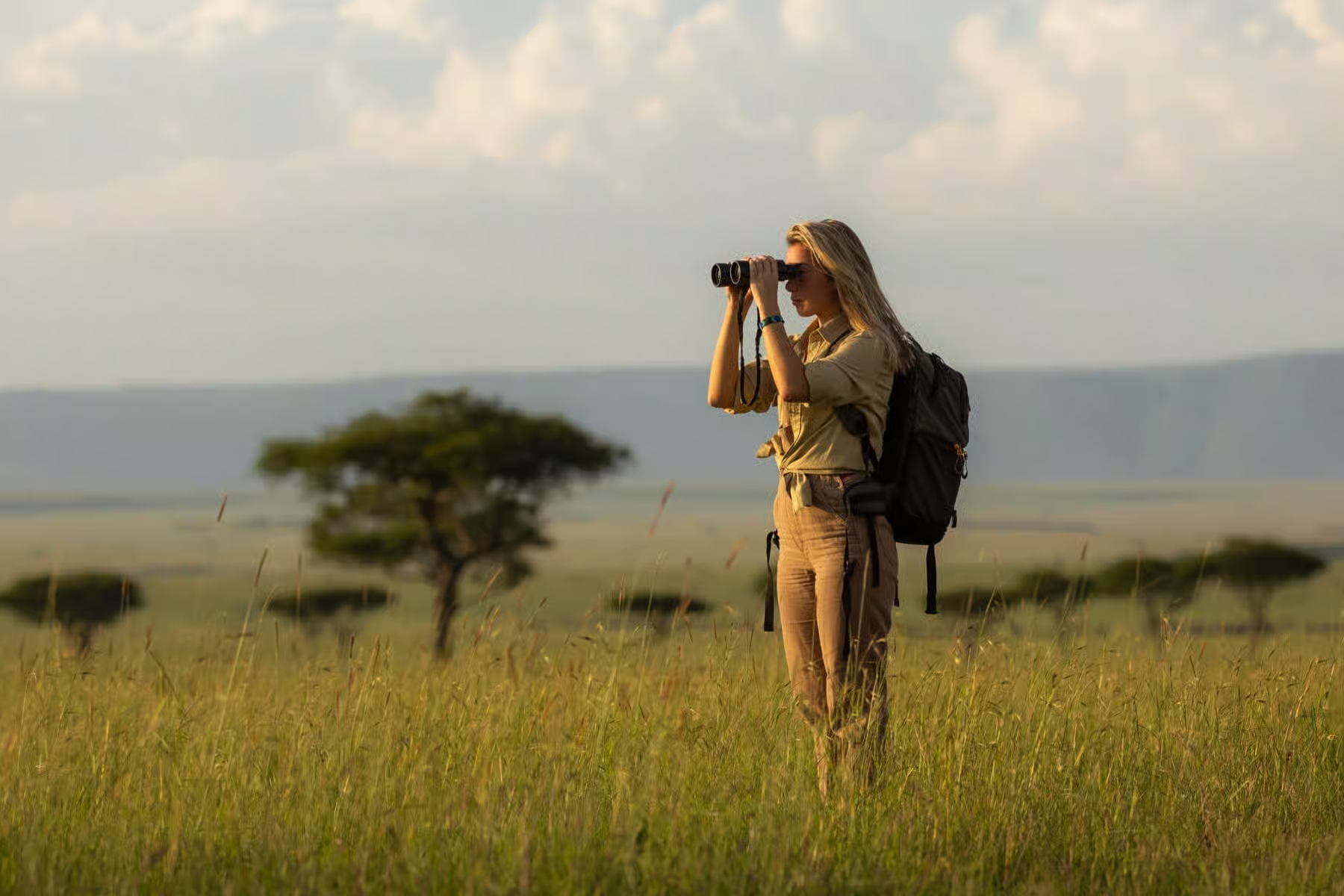
Solo safari travel in Africa is more accessible, safer, and more rewarding than most prospective travelers expect when they first research it. East Africa’s established safari infrastructure handles solo visitors well. The guided safari model means you are never truly alone in the bush. Experienced guides provide both safety and company. The intimacy of small-group or private guided safaris suits solo travelers particularly well. The practical concerns — safety, cost, loneliness — are all manageable with the right preparation and destination choices. A solo African safari is increasingly popular among independent adult travelers. They want East Africa’s extraordinary wildlife without waiting for a travel partner who shares the same schedule and priorities.
Best Countries for Solo Safari in East Africa
East Africa’s four main safari countries—Kenya, Tanzania, Uganda, and Rwanda—all accommodate solo travelers well. But each has a different character and different practical considerations.
Uganda: Best for Solo Gorilla Trekking
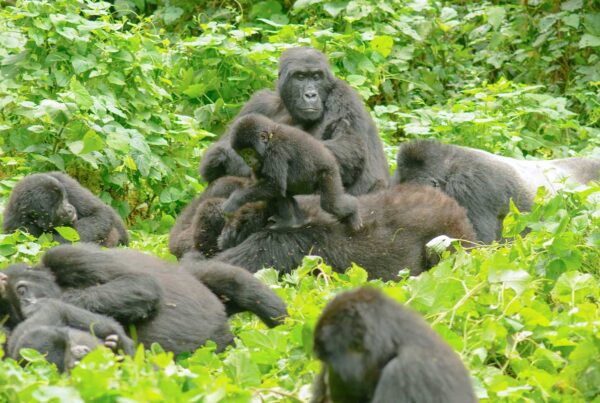
Uganda is an excellent solo safari destination, particularly for travelers whose primary goal is gorilla trekking. The gorilla permit system places solo travelers in group treks of up to eight people. The park office groups you with other visitors, and you trek together to the gorilla family. This creates natural social connection even without an existing travel companion. The western Uganda circuit is compact enough for a single guided vehicle. Solo travelers typically receive attentive, personal service from guides who appreciate the opportunity to deliver deeper natural history interpretation. This is harder to achieve when pitching information at a large group’s average interest level.
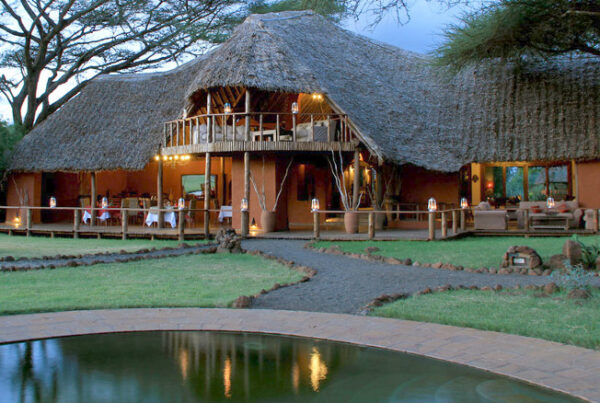
Uganda’s solo travel safety record is strong in the western circuit parks, Entebbe, and Kampala. Standard tourist precautions apply—avoid walking alone at night, keep expensive equipment discreet, and stay in reputable accommodation. Travelers following this advice encounter no particular safety issues. Park lodges and tented camps create welcoming atmospheres for single guests. Many properties seat solo visitors at the communal dining table by default. This creates natural social opportunities during what might otherwise be solitary meal times.
Kenya: Best Infrastructure for Solo Travelers
Kenya has the most developed and internationally familiar safari infrastructure in East Africa. This makes it the most practically accessible country for solo travelers new to the region. Nairobi’s international airport connections, strong English language competency across the tourism sector. And excellent internal light aircraft links to all major parks all contribute to this. Kenya’s sophisticated safari camp industry combines with all of these to make solo navigation of a Kenya itinerary straightforward. This holds even for first-time Africa solo travelers. The Masai Mara’s private conservancy camps suit solo travelers particularly well because of their small size. The guide-client relationship that develops over shared game drive days creates an intense personal rapport that group safari cannot replicate.
The single travel supplement is the primary practical disadvantage of a solo safari in any African country. It is an additional charge levied by most lodges when a solo traveler occupies a room designed for two. Kenya’s premium camps charge single supplements that add 50 to 75 percent to the base per-person price of a double occupancy booking. This makes a solo safari at the luxury end significantly more expensive than the same experience for a couple. Mid-range camps show more flexibility on single supplements. Some operators offer shared accommodation options where solo travelers join another solo traveler of the same gender. For solo travelers on a budget, asking specifically about single supplement policies before booking is worth the extra inquiry. Identifying properties with more flexible pricing helps as well.
Tanzania and Rwanda: Strong Solo Options
Tanzania’s northern circuit works well for solo travelers. It shares the same infrastructure advantages as Kenya. Established internal flight connections and a sophisticated lodge industry. And Swahili-speaking guides with long experience hosting international visitors. The Serengeti’s private concession camps suit solo travelers particularly well because their small size creates an inherently social environment. Guests naturally interact over meals and during bush activities. Tanzania’s southern circuit parks—Ruaha and Nyerere—are more remote and require greater self-sufficiency between guided activities. This suits some solo personalities well. But it can feel isolating for travelers who prefer more social camp environments.
Rwanda offers an extremely safe and well-managed environment for solo travelers. Petty crime rates are lower than in most sub-Saharan African countries. A social atmosphere welcomes foreign visitors, including solo women travelers. The gorilla trekking experience in Volcanoes National Park works the same as in Uganda. Solo permit-holders join a group trek at the park office, providing social connection for the day’s main activity. Rwanda’s compact geography means all major tourist sites sit within a few hours of Kigali. This reduces the logistical complexity that longer overland distances in larger countries create for solo travelers managing their own schedules.
Practical Solo Safari Tips
Safety and Communication
Solo safari travel in Africa’s established tourist areas. The parks and lodges. And transit routes between them. Is safe with standard precautions. Guides and park staff manage the bush environment. Solo travelers in the wildlife areas are never without experienced professionals nearby. The safety consideration for solo travelers primarily involves urban environments between parks. Nairobi, Kampala, Kigali, and Dar es Salaam. Where standard city practices apply, as in any major developing world city. Solo female travelers should apply additional standard caution in these urban transitions. They consistently report that park and lodge environments are welcoming and safe.
Maintaining communication with family or friends at home matters for solo travelers in remote areas. Share daily itineraries including lodge names and contact numbers before leaving each location. Confirm safe arrival by satellite communication when visiting truly remote areas like Kidepo Valley or the Rwenzori Mountains. Most East African lodges have good mobile coverage or satellite internet that allows daily check-ins. The operator managing your safari itinerary maintains their own communication protocols with camps throughout the circuit.
Plan Your Safari
Solo safari itineraries in East Africa rank among the most rewarding travel experiences available for independent travelers. African Wild Trekkers designs solo safari packages that address single supplement costs where possible. They connect solo travelers in group permits for gorilla and chimpanzee trekking. They also pair solo clients with experienced personal guides who provide both safety and quality natural history interpretation.
Every solo safari package includes all accommodation, park fees, permits, guides, and transfers in a fully inclusive booking. We confirm single supplement policies upfront before any commitment. We prioritise mid-range accommodation that provides good social environments for solo diners and activity participants where quality and budget allow.
Contact African Wild Trekkers at africanwildtrekkers.com/contact with your travel dates and solo safari priorities and we will design the right East Africa itinerary for an independent traveler within 24 hours.