Star Bed Experience Africa: Spending the Night Under East Africa’s Open Sky
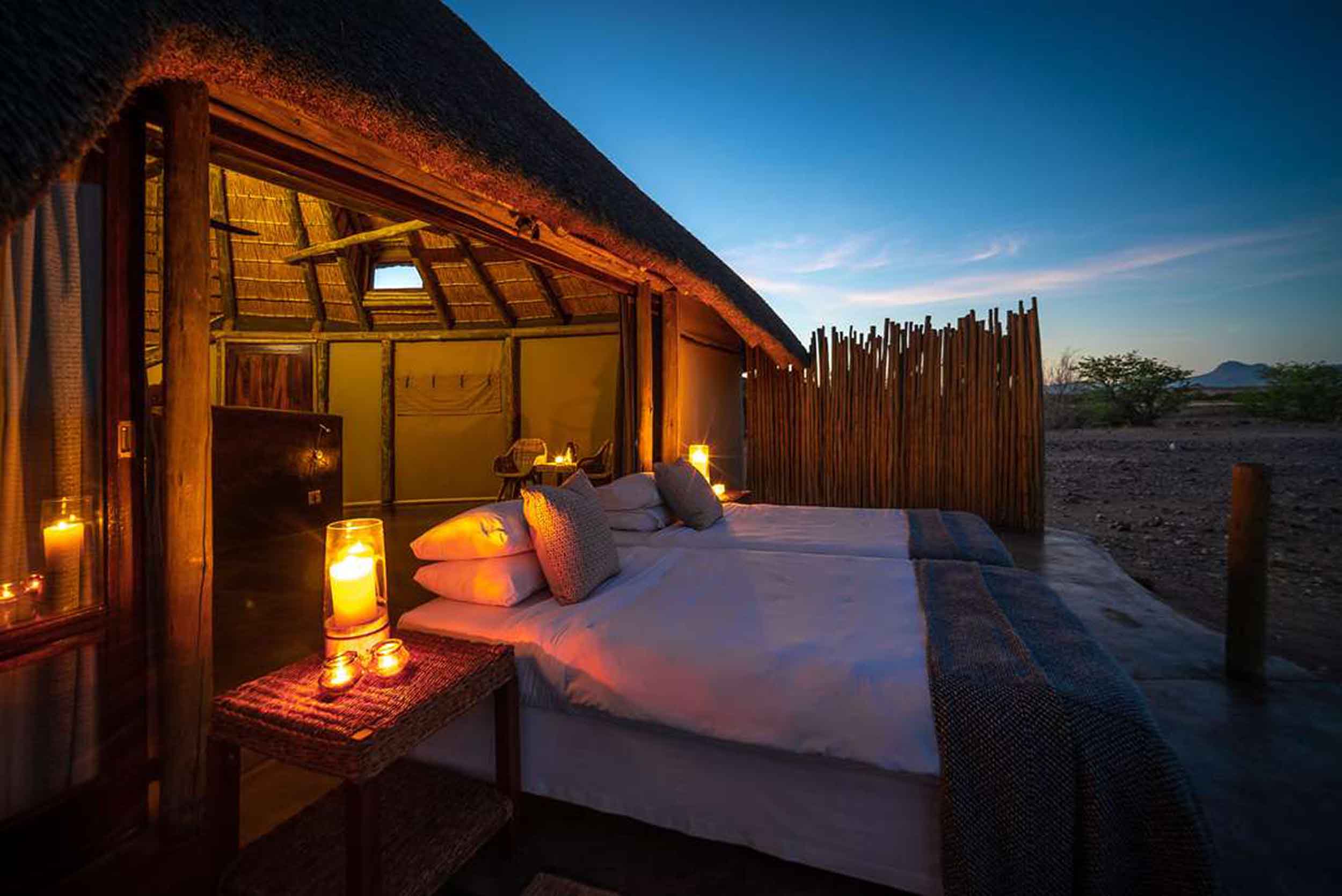
A star bed is a full bed on an open platform in the African bush. The mattress, bedding, and mosquito net are all present. The roof is not. In its place is a direct, unobstructed view of East Africa’s night sky. It is one of the darkest and most star-dense skies accessible anywhere on earth. Guests who ask what activity a star bed night involves are asking the right question. The activity is lying in a comfortable bed and looking at the Milky Way arching from horizon to horizon. activity is listening to lions call and hyenas whoop through the darkness. The activity is waking at 03:00 when an elephant moves past the platform and feeling the subsonic vibration of its footfall before the sound registers consciously.
The Platform Structure
Star bed platforms sit 3 to 6 metres above ground on wooden posts or in the fork of a large tree. The bed occupies most of the platform surface. A hinged canvas or thatch canopy folds back to expose the sky. It closes quickly when rain approaches. A mosquito net on a frame hangs above the bed. It folds back when the breeze is strong enough to deter insects. A battery lantern and a handheld radio connect the platform to the camp’s night security. The ladder to the ground locks from above — wildlife cannot ascend it. Additionally, an armed ranger makes regular perimeter checks through the night. Most wildlife treats the elevated platform as a feature of the landscape rather than a human intrusion.
The Best Star Bed Locations
Kenya’s Laikipia Plateau concentrates the highest density of star bed experiences in East Africa. Lewa Wilderness, Ol Pejeta Conservancy, Borana Lodge, and several private ranches all operate star bed platforms. The area has negligible light pollution. The plateau’s altitude of 1,700 to 2,000 metres reduces atmospheric haze and improves seeing conditions significantly. Tanzania’s Ruaha National Park carries elevated sleeping platforms at wilderness camps in the park’s remote central areas. The Ruaha platforms sit in riverine forest above dry river beds. The night soundtrack includes baboon alarms, leopard coughing, and the crack of branches as elephant move through the dry riverbed below.
What the Night Delivers
The star bed night progresses through distinct phases. The early evening brings the warmth of the sunset’s afterglow and the camp’s departing activity sounds. By 21:00 the camp quietens and bush sounds take over completely. The Milky Way reaches peak visibility between 22:00 and 02:00 on moonless nights. Pre-dawn hours from 03:00 to 05:30 produce the highest density of animal movement around the camp. Furthermore, the sky’s rotation becomes visible over a full night. The Southern Cross moves in its arc around the south celestial pole. The galactic core moves from zenith toward the western horizon as dawn approaches.
Plan Your Safari
Star bed nights are most reliably clear during East Africa’s dry seasons June to October and January to February. New moon periods produce the darkest skies within each month. Camps confirm sky conditions the afternoon before the planned star bed night and provide an alternative covered room for weather-affected nights. Booking a star bed night specifically when reserving accommodation not assuming it will be arranged on arrival ensures the camp plans for it in their nightly allocation.
African Wild Trekkers places guests in East Africa’s finest star bed properties and coordinates with camps on dark sky timing. Contact us to plan a safari that makes this extraordinary night experience a centrepiece of your East Africa itinerary.