Bush Camping Skills Africa: Essential Knowledge for Camping Safely in East Africa
Camping in the African bush requires a different skill set from camping in a managed national park. The bush campsite has no bear boxes, no designated fire rings, and no rangers patrolling at regular intervals. What it does have is a concentrated dose of real wilderness conditions. Animal traffic, unpredictable weather, and temperature extremes all demand preparation. The specific challenges of maintaining food hygiene, fire safety, and personal safety in this environment are real. Large dangerous animals are genuinely present. The skills that make bush camping work are practical and learnable. Moreover, learning them from a guide who uses them daily transforms the experience. The camping becomes a fluent engagement with the natural environment rather than a survival challenge.
Campsite Selection
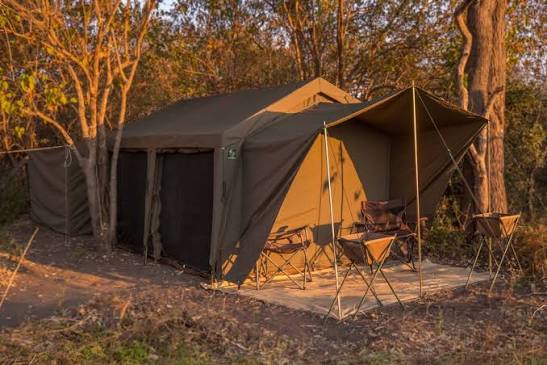
The campsite selection decision determines the quality and safety of every subsequent bush camping experience. Good sites share several characteristics. They sit on raised, well-drained ground that sheds rainwater away from the sleeping area. avoid dry riverbeds flash flood risk in the highlands is real and occurs without warning. They maintain visibility in all directions. Dense vegetation closing within 5 metres on all sides prevents early detection of approaching animals. Additionally, they position the latrine area downwind and downslope from the kitchen and sleeping areas. The campfire goes at the centre of the camp. A central fire illuminates all approach directions equally rather than blinding the occupants to a dark side.
Food Storage and Camp Hygiene
Food odour is the primary attractor of wildlife to a bush camp. All food stores go into sealed, odour-resistant containers at night. Cooking equipment washes thoroughly before the camp settles for the night. Organic waste goes into a sealed bag carried out with the camp rather than buried. Burning organic waste incompletely leaves residue that continues to attract scavengers. The cooking fire burns hot and completely — ash and carbon carry little residue smell. Furthermore, toothpaste, sunscreen, and scented toiletries go into sealed bags away from sleeping areas. Multiple African wildlife species are attracted to artificial scents, not only bears.
Animal Awareness at Camp
The most dangerous moment at any bush camp is the unannounced encounter. A person walking without a torch to the toilet area may surprise a resting buffalo at 3 metres. All movement at night requires a torch and a verbal warning to alert nearby animals. Speaking at a normal volume as you move gives most species time to move away before the distance closes dangerously. Elephants at camp respond well to calm verbal communication. They respond poorly to silence followed by a sudden close encounter. Lions are the exception — vocal communication toward an approaching lion requires the ranger’s specific judgement rather than any standard protocol.
Plan Your Safari
Bush camping skills training runs as an integral part of walking safari programmes in Tanzania’s Selous-Nyerere and Kenya’s Maasai Mara conservancy camps. The teaching happens in context — setting up the fly camp, managing the fire, and moving around after dark all provide the practical lessons that abstract instruction cannot replace. Guests who participate actively in camp setup absorb the most from the experience. Communicating this preference when booking allows the camp to structure the experience as active participation rather than supported accommodation.
African Wild Trekkers designs walking and camping safari itineraries where guests learn genuine bush skills alongside world-class wildlife encounters. Contact us to plan a safari that builds lasting wilderness knowledge through direct experience in East Africa’s finest wild areas.