Shoebill Uganda Nesting: Breeding Behaviour of Africa’s Most Prehistoric Bird
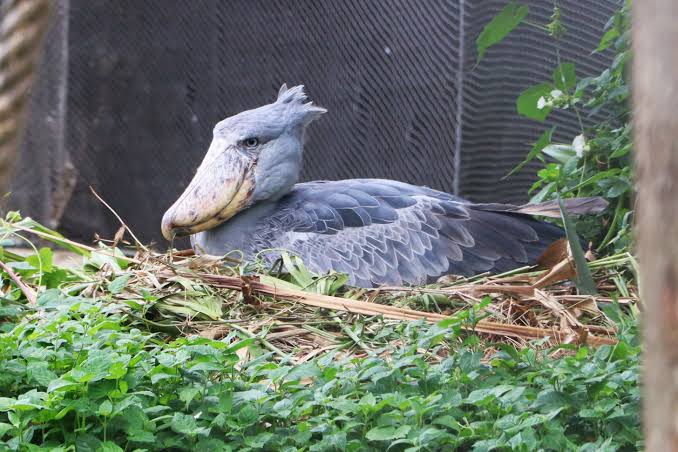
The shoebill is one of Africa’s most sought-after birds. Its enormous shoe-shaped bill, grey plumage, and prehistoric appearance make it instantly recognisable. Uganda holds one of the world’s most accessible shoebill populations. The country’s vast papyrus swamp systems provide the specific nesting habitat this species requires.
Birders who visit Uganda specifically to see a shoebill often describe the encounter as the highlight of an entire African birding career. The species stands over 1.2 metres tall. It moves through the papyrus with a slow, deliberate stillness that makes it look more like a sculpture than a living bird until it suddenly strikes at prey.
Shoebill Nesting Behaviour
Shoebills nest on floating platforms of papyrus and aquatic vegetation in the interior of large swamp systems. The nest platform sits directly on the water surface. It measures approximately 1 to 1.7 metres in diameter. The birds build it from papyrus stems, water grasses, and other wetland vegetation gathered from the immediate surrounding area.
Shoebills are monogamous and typically produce one clutch of 1 to 3 eggs per breeding season. Both parents incubate the eggs for 30 days. They also share the responsibility of shading the eggs and chicks from the intense midday heat, pouring water from their bills onto the nest to cool the surface temperature.
Chick survival rates are generally low. Sibling aggression is a documented feature of shoebill chick development. The dominant chick often prevents the smaller siblings from accessing food. In most successful nests, only one chick survives to fledging. This low reproductive rate makes the protection of existing breeding territories critically important for the species’ long-term survival.
Best Uganda Shoebill Locations
Uganda’s Murchison Falls National Park contains shoebill populations in the delta wetlands where the Victoria Nile meets Lake Albert. Boat trips from the park’s delta area produce regular shoebill sightings during the dry season when the birds concentrate around accessible water channels.
The Mabamba Swamp on the northern shore of Lake Victoria near Entebbe is Uganda’s most reliable shoebill destination. Local canoe guides at Mabamba navigate the narrow papyrus channels with specific knowledge of the individual birds’ territories. Close approach by canoe to within 10 to 20 metres of a standing shoebill is regularly achieved at Mabamba.
Additionally, the Ziwa Rhino Sanctuary wetlands north of Kampala and the Lutembe Wetland south of Entebbe both hold resident shoebill populations. These sites provide alternative options for birders staying near Kampala who cannot reach Mabamba on a specific day.
Conservation Status and Nesting Threats
The shoebill is classified as Vulnerable on the IUCN Red List with a global population estimated at 5,000 to 8,000 individuals. The primary threats to the species are habitat loss through papyrus swamp drainage, disturbance at nesting sites, and nest predation.
Community conservation programmes at Mabamba and in the Lake Albert delta provide local fishermen and boat operators with income from birding tourism. This income creates an economic incentive for the community to protect the swamp habitat and the shoebills that live within it.
Furthermore, any birding visit that uses local canoe guides and pays the community conservation fee at Mabamba contributes directly to the funding of nest monitoring and habitat protection at Uganda’s most important shoebill site.
Plan Your Birding Safari
A shoebill encounter at Mabamba Swamp requires a half-day excursion from Entebbe. Canoe trips depart from the swamp’s edge in the early morning when the birds are most active. The journey from Entebbe to Mabamba takes approximately 45 minutes by road.
Including Mabamba in an Uganda itinerary is straightforward. Most visitors to Uganda spend at least one night in Entebbe before or after their main safari. A Mabamba shoebill morning fits naturally into this Entebbe stop. No advance permit is required beyond the community fee paid at the swamp entrance.
African Wild Trekkers includes Mabamba Swamp shoebill experiences in Uganda safari itineraries. Contact us to plan a Uganda birding safari that combines gorilla trekking, savanna wildlife, and the shoebill encounter that makes Uganda one of Africa’s great birding destinations.