Imigongo Art Rwanda: The Ancient Geometric Art Made From Volcanic Earth
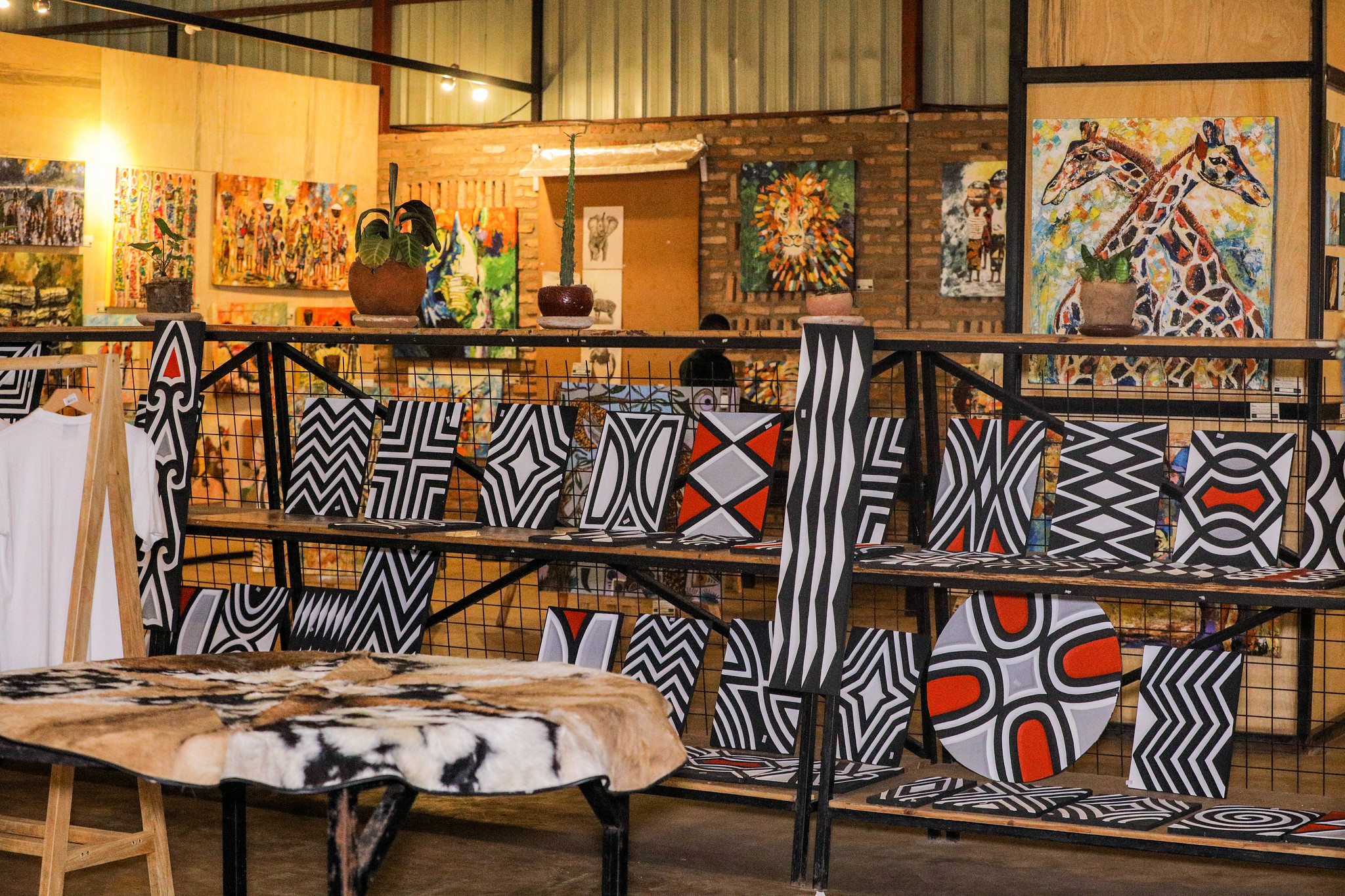
Imigongo is one of Rwanda’s most distinctive and internationally recognized art traditions. The technique uses cow dung mixed with natural pigments to create raised geometric designs on flat panels or curved surfaces. The black, white, and earth-tone color palette, the relief surface, and the spiral and angular geometric patterns define the tradition across all its regional expressions. Imigongo is immediately recognizable as Rwandan. No other art tradition in Africa uses the same materials or produces the same visual language.
The tradition originated in the eastern part of Rwanda, particularly in the areas that are now the Kirehe and Ngoma districts. Historical accounts attribute the art to Prince Kakira of the royal house of Gisaka, who developed the technique in the eighteenth century. The eastern region’s volcanic soil and cattle-farming culture provided both the materials and the cultural context in which the tradition developed.
The Technique
Imigongo production begins with fresh cow dung mixed with ash and water to create a workable paste. This mixture is applied to a flat backing board or panel in successive layers. Each layer is allowed to dry before the next is added to build the raised relief surface. The drying and building process takes several days for a complete panel.
The geometric designs are drawn in the wet paste using a finger or a simple pointed tool. The spiral and angular motifs are drawn freehand by experienced artisans who carry the pattern vocabulary in visual memory rather than using templates. The precision of the lines in skilled work reflects years of practice and a deep internalization of the geometric language of the tradition.
Natural pigments are mixed into the final surface layer to produce the distinctive black, white, and earth-tone color scheme. Traditional pigments come from charcoal, white clay, and natural mineral sources found in the eastern Rwanda landscape. Some contemporary producers use commercial pigments in non-traditional colors. Traditional-palette work is generally considered more authentic and more desirable by serious collectors and craft buyers.
Where to See and Buy Imigongo
The Kakira cooperative in the Ngoma district operates in the original heartland of the imigongo tradition. Visiting the cooperative gives access to work produced by artisans who have inherited the tradition through family and community transmission. The cooperative sells directly to visitors and manages export orders for international clients. The quality of work available at Kakira is higher on average than what reaches the Kigali retail market.
The Caplaki Craft Village in Kigali carries imigongo work from several producers. The range at Caplaki includes both traditional-palette work and pieces in non-traditional colors created for the tourist market. Distinguishing between these requires looking carefully at the color palette and asking about the pigment source. Traditional work uses only black, white, and the natural earth tones. Contemporary color additions indicate a departure from the traditional technique.
Several Kigali art galleries and design shops now carry high-quality imigongo work selected for the premium market. These outlets carry fewer pieces than Caplaki but have a more consistent quality selection. Gallery pricing is higher, but the curation reduces the need for technical knowledge to identify the best work. Gallery imigongo pieces also come with provenance information that caplaki pieces sometimes lack.
Imigongo in Contemporary Design
Imigongo has attracted significant attention from international designers and artists over the past decade. The geometric visual language translates naturally into contemporary interior design contexts. Large-scale imigongo panels are used as wall art in premium hotels and lodges across Rwanda. The Kigali Convention Centre and several five-star properties in the capital display large-format imigongo commissions.
Several young Rwandan designers have developed imigongo-derived prints for textiles, ceramics, and product design. These contemporary applications extend the tradition into new formats while drawing on the same geometric vocabulary. The relationship between traditional art and its contemporary design applications is one of the most interesting dimensions of Rwanda’s craft heritage in the current period.
Plan Your Imigongo Experience
A visit to the eastern Rwandan imigongo heartland is rewarding for visitors seriously interested in the tradition. The cooperative studios show the production process and sell work directly. The drive from Kigali takes approximately two hours. For visitors on the standard safari circuit, Caplaki and the Kigali gallery market provide accessible alternatives for purchasing high-quality pieces.
African Wild Trekkers includes craft and cultural visits in Rwanda safari itineraries for visitors who want to engage with the country’s living artistic traditions. Contact us to plan a Rwanda safari that includes an imigongo studio visit or introduces you to the best sources for authentic work on the main safari circuit.