Agaseke Baskets Rwanda: The Peace Baskets That Tell Rwanda’s Story
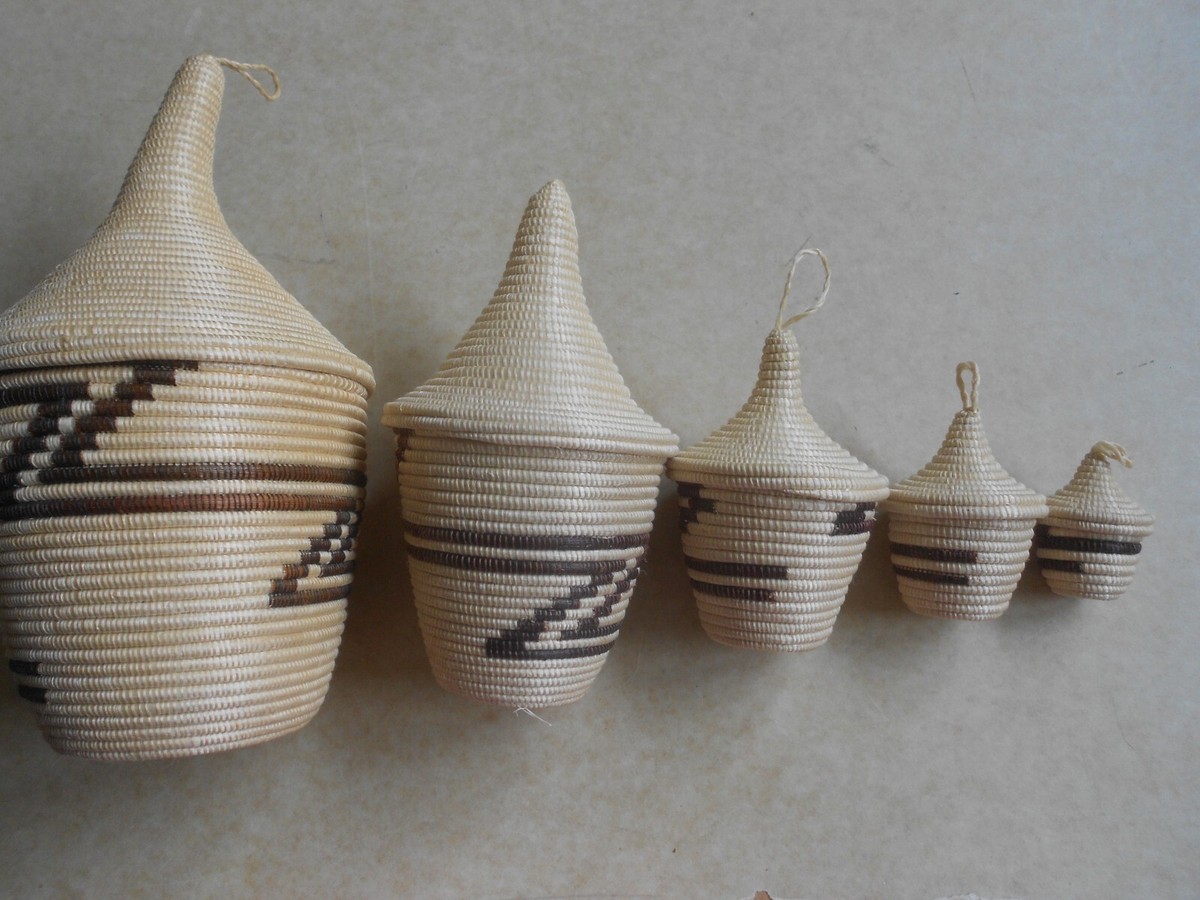
The agaseke peace basket is Rwanda’s most internationally recognized traditional craft. This carefully woven basket features a distinctive conical lid and carries deep cultural meaning within Rwandan society. For generations, communities have used agaseke baskets as gifts, marriage offerings, and symbols of respect. The basket represents peace, prosperity, and goodwill. The detailed spiral patterns woven into each piece reflect the creativity, patience, and cultural knowledge passed between generations of Rwandan artisans.
Rwanda peace baskets gained international recognition during the early 2000s as weaving cooperatives connected local artisans with global markets. Women-led cooperatives developed partnerships with specialty retailers in Europe, North America, and Australia. These partnerships created new income opportunities while preserving traditional weaving skills. Today, Rwandan peace baskets appear in museums, international craft collections, and design exhibitions around the world. They remain one of Africa’s most recognized examples of contemporary traditional craftsmanship.
The Weaving Tradition Behind Agaseke Baskets
Agaseke baskets are created using a traditional coiling technique that builds the structure from a continuous spiral. Sisal provides the main framework, while decorative patterns are added using sweetgrass and other natural fibers. Many weavers use plant-based dyes to create the traditional colors found in Rwandan basket designs. Shades of black, brown, red, and yellow are produced through different natural dye processes using locally available plants.
The patterns woven into agaseke baskets are created by hand without printed guides or templates. Experienced weavers carry a wide knowledge of traditional designs and adapt patterns as the basket develops. The spiral structure requires careful control because every section must maintain consistent spacing and tension. Learning the basic weaving method can take days, but mastering complex patterns requires years of dedication and practice.
A skilled Rwandan weaver may spend between 20 and 40 hours completing a high-quality agaseke basket. The tightness of the coils, the accuracy of the pattern, and the fit of the lid determine the overall quality. Exceptional baskets have extremely compact weaving that allows them to hold water. This demonstrates the precision involved in the craft and highlights the technical ability behind each finished piece.
Rwanda Peace Basket Cooperatives
Many of Rwanda’s most respected peace basket producers work through organized cooperatives. These groups provide training, quality control, design development, and access to international markets. The Gahaya Links cooperative played an important role in introducing Rwandan basket weaving to global buyers. Its success helped demonstrate how traditional crafts could support community development and women’s economic empowerment.
Cooperative membership provides many Rwandan women with reliable income and greater financial independence. It also creates opportunities for skills development and stronger community participation. Many weavers explain that cooperative work has improved their confidence and increased their influence within their families and communities. The success of Rwanda’s peace basket industry shows how traditional crafts can create meaningful social and economic change.
The peace basket tradition also carries a powerful message of reconciliation in some communities. After the 1994 Genocide Against the Tutsi, some weaving cooperatives brought together women from different backgrounds, including survivors and women from families affected by the genocide. Working together through a shared craft created opportunities for dialogue and rebuilding trust. In these communities, the name “peace basket” represents more than a design. It reflects a real journey of healing and unity.
Where to Buy Authentic Rwanda Peace Baskets
Buying directly from a weaving cooperative provides the most meaningful experience and supports the artisans who create the baskets. Several cooperatives across Rwanda welcome visitors who want to learn about the weaving process and purchase directly from producers. The Musanze area near Volcanoes National Park offers opportunities to visit local weaving groups during a gorilla trekking itinerary.
The Caplaki Craft Village in Kigali is another excellent place to find agaseke baskets. The market brings together crafts from different producers and offers a wide selection of sizes, colors, and designs. Visitors should compare quality carefully because craftsmanship varies between sellers. A well-made basket should have tight, even coils, consistent patterns, and a secure-fitting lid.
Plan Your Peace Basket Experience
The best way to appreciate Rwanda’s peace basket tradition is through a direct visit with the weavers. Meeting the artisans, learning about their techniques, and understanding the meaning behind the patterns creates a stronger connection with the final purchase. Allowing half a day for a cooperative visit provides enough time for demonstrations, conversations, and selecting an authentic handmade basket.
African Wild Trekkers includes cultural experiences such as peace basket visits alongside Rwanda’s gorilla trekking, wildlife safaris, and community encounters. We connect travelers with local artisans and create meaningful experiences that go beyond sightseeing.
Contact African Wild Trekkers to include a Rwanda peace basket experience in your safari itinerary. We respond within 24 hours and design cultural journeys that connect you with Rwanda’s traditions, landscapes, and communities.