Rwanda’s Umuganda Community: The Monthly Work Day That Maintains a Nation
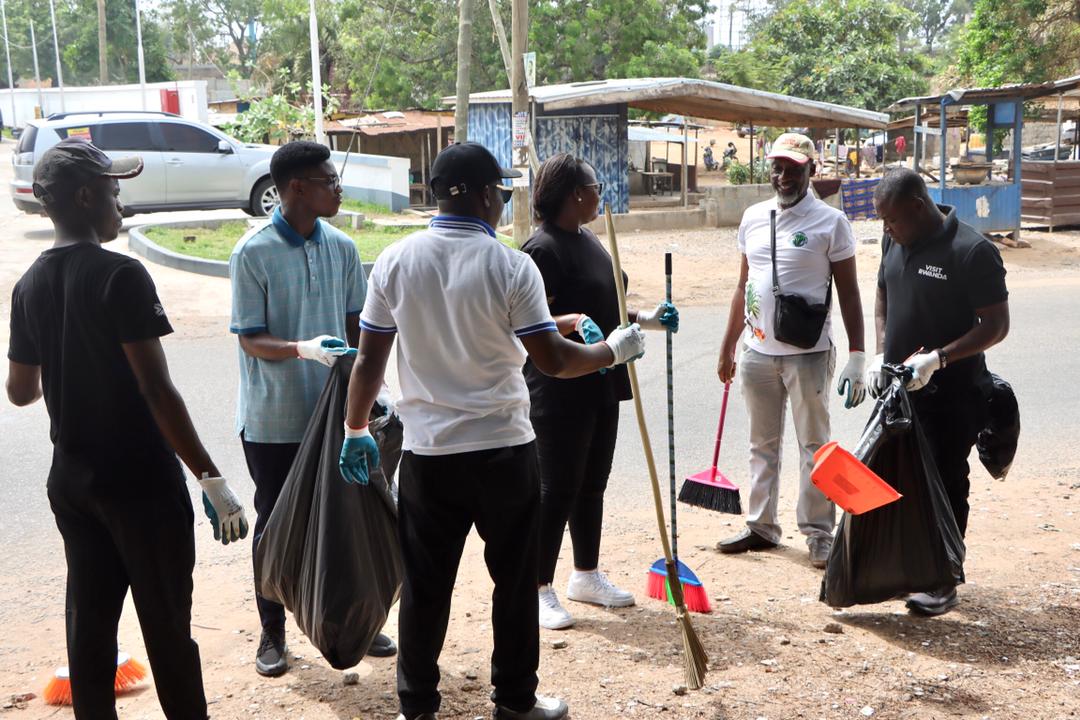
Umuganda is Rwanda’s compulsory monthly community work day. On the last Saturday of every month, adult Rwandan citizens between 18 and 65 gather in their local communities from 8:00 am to approximately 11:00 am. Roads are cleared, drainage ditches are maintained, public buildings are repaired, and local infrastructure is built through coordinated community labor. This happens simultaneously across the entire country, every single month.
Umuganda draws on a pre-colonial Rwandan tradition of collective community labor. The practice existed in various forms throughout the country’s history before colonization. The current formalized system was established in law in 2007 and has been consistently observed since. Participation rates are high. The social expectation of attendance creates a communal commitment that translates into the visible maintenance quality of public spaces across Rwanda.
What Happens During Umuganda
Each Umuganda session begins with a community meeting at the local sector or cell level. The meeting sets the day’s work agenda and discusses local community issues. Community members can raise concerns or proposals for the group’s attention. This meeting dimension serves a governance function alongside the practical work function.
The work activities vary each month depending on community priorities and seasonal needs. Road clearing and drainage work are among the most common activities. Building and repairing community structures, including schools, clinics, and meeting places, is another common category. Terracing and reforestation work feature prominently in rural communities during appropriate seasons.
Senior government officials, including ministers, participate in Umuganda in their home communities. They perform the same physical work as ordinary citizens alongside them. This participation creates a visible expression of shared national responsibility. The government uses this deliberately to reinforce the egalitarian civic values that underpin the Umuganda concept.
Umuganda and National Development
The economic value of Umuganda across Rwanda in a single month is substantial. Millions of adults directed to productive community maintenance tasks simultaneously produce enormous cumulative output. Road maintenance, infrastructure repair, and environmental work create a level of investment that the government could not fund through conventional taxation and procurement alone.
Rwanda’s government estimates that Umuganda produces economic value equivalent to tens of millions of US dollars annually. These estimates are difficult to verify precisely. However, the visible quality of Rwanda’s public spaces, roads, and community infrastructure compared to neighboring countries with similar economic resources suggests the Umuganda contribution is genuinely significant and practically important.
Umuganda also contributes to social cohesion in post-genocide communities. The shared experience of working alongside neighbors on communal tasks creates social connections that reinforce the reconciliation process. That reinforcement happens at the community level, where it matters most for daily life in post-genocide Rwanda.
What Visitors Need to Know
Umuganda takes place on the last Saturday of every month from approximately 8:00 am to 11:00 am. Road traffic is reduced significantly during this period. Most adults are at their community work sites rather than on the roads. Shops, restaurants, and other businesses in many areas are closed during Umuganda hours.
Visitors traveling on the last Saturday of the month should plan journeys to begin before 8:00 am or after midday when normal activity resumes. Visitors are not required to participate but are welcome to observe community work sessions if invited by local residents or hosts. Observing an active Umuganda session in a rural community provides a genuine insight into Rwandan civic culture that no museum can replicate.
Kigali’s streets on Umuganda morning have a distinctive quiet character. The empty streets and absence of normal commercial activity are striking in a city that is otherwise always busy. Early morning photography in Kigali on Umuganda Saturday produces images that cannot be replicated on any other day of the month.
Experiencing Umuganda on Safari
A safari spanning the last Saturday of the month will include an Umuganda day. Understanding what Umuganda is transforms what might feel like an inconvenient quiet morning into one of the most informative windows into Rwanda’s civic culture. It is a practice that speaks directly to the values the country has chosen to rebuild itself around.
African Wild Trekkers designs Rwanda safari itineraries that include the cultural and civic dimensions of the country alongside its extraordinary wildlife experiences. Contact us to plan a Rwanda safari that engages with the values and practices that make Rwanda one of Africa’s most admirable societies.