Rwanda Gorilla Research: The Science That Saved the Mountain Gorilla
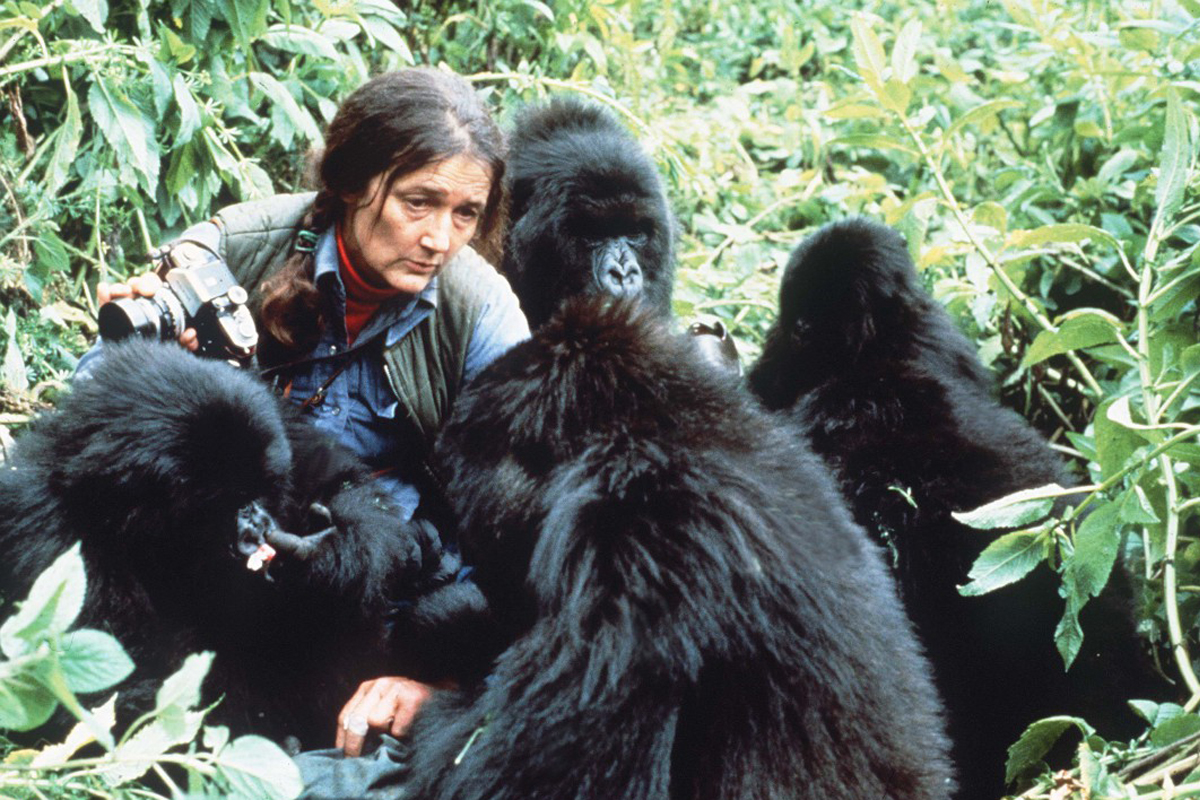
Mountain gorilla research in Rwanda began with Dian Fossey’s arrival at Karisoke in 1967. In the decades since, continuous field research has produced one of the most detailed and longest-running wildlife studies in science. This research has directly informed and saved the mountain gorilla from the extinction trajectory it was on in the 1970s. The connection between research knowledge and conservation outcome is clearer in the mountain gorilla story than in almost any other wildlife conservation case.
Research conducted at Karisoke and by partner organisations has answered fundamental questions about gorilla ecology, behaviour, disease, and social structure. These answers have enabled increasingly sophisticated management of the gorilla population. Each improvement in management practice has contributed to the population recovery now demonstrated by census data spanning more than five decades.
Key Research Discoveries
Fossey’s fundamental contribution was demonstrating that mountain gorillas could be habituated to human presence. Her patient, non-threatening approach over extended periods allowed gorillas to become comfortable with close observation. This habituation methodology is now the standard for gorilla research and tourism worldwide. Every gorilla trek conducted anywhere is built on her foundational discovery.
Research on gorilla social structure revealed the complexity of mountain gorilla family organisation. The dominance hierarchy within groups, the role of silverback males in group cohesion, the social bonds between females, and the behaviour of juveniles have all been documented in detail. This social understanding is essential for interpreting the behaviour visitors observe during trekking encounters.
Disease research has been one of the most practically significant areas of gorilla study. Mountain gorillas are highly susceptible to human respiratory infections. This susceptibility creates a direct management challenge given the proximity between gorillas and humans during tourism and research contacts. Research on pathogen transmission has informed the health protocols now used to minimise disease transmission risk during all human-gorilla contact.
The Fossey Fund Research Legacy
The Dian Fossey Gorilla Fund maintains the longest continuous wildlife research program in great ape science. Field researchers monitor all habituated groups in Volcanoes National Park on a daily basis. The data accumulating from this monitoring over decades has revealed patterns in gorilla behaviour and population dynamics that shorter studies cannot detect.
The Ellen DeGeneres Campus, opened in Musanze in 2022, provides the infrastructure for the next phase of mountain gorilla research. The campus includes laboratory facilities, data management systems, and conservation training capacity that extend the research program beyond the forest field work that Fossey established. Modern molecular and genetic research tools add new dimensions to what the field data collected daily by researchers can reveal.
Partner organisations including the Mountain Gorilla Veterinary Project, the International Gorilla Conservation Programme, and wildlife agencies from the three range-state governments all contribute research and monitoring capacity to the overall gorilla research effort. This collaborative, multi-institutional research structure is one of the conservation program’s greatest organisational strengths.
Research and Tourism Together
The compatibility of research and tourism in Volcanoes National Park has been demonstrated across more than four decades of parallel operation. Research teams and tourist groups use the same gorilla families. The habituation that research requires is the same habituation that enables tourism. The revenue from tourism funds the conservation and research programs that protect the gorillas. Research provides the knowledge that improves management and keeps the population growing.
Visitors who trek gorillas in Volcanoes National Park are participating in a research and conservation system. They are not simply consuming a wildlife experience. Their permit revenue funds the field researchers who monitor the gorilla families, the veterinary team that responds to health emergencies, the anti-poaching patrols that protect the forest, and the community programs that create local support for conservation. Understanding this system makes the trek more meaningful.
Plan Your Rwanda Gorilla Safari
Engaging with the research story behind Rwanda’s gorilla conservation makes the trek experience richer. The Dian Fossey Gorilla Fund’s Ellen DeGeneres Campus in Musanze provides the best opportunity to understand the research program directly. A campus visit before the trek connects the forest encounter to the science behind it.
African Wild Trekkers includes the Ellen DeGeneres Campus visit in Rwanda itineraries for clients who want to engage with the gorilla conservation research story alongside the trek itself. Contact us to plan a Rwanda gorilla safari that goes beyond the encounter and connects you to the science that made it possible.