Kibale Chimp Habituation: A Full Day with Uganda’s Wild Chimpanzees
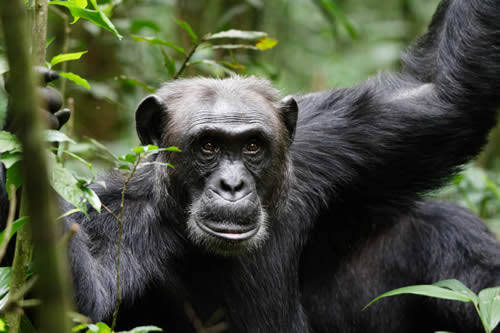
The Kibale chimp habituation experience at Kibale National Park gives visitors a full day alongside a wild chimpanzee group undergoing the multi-year habituation process. Standard chimpanzee tracking permits at Kibale allow one hour with a fully habituated group. Kibale chimp habituation permits allow six to eight hours with a semi-wild group that researchers are slowly conditioning to human presence. This extended time produces a depth and intimacy of chimpanzee observation that no standard trekking permit can match. The Uganda Wildlife Authority limits Kibale chimp habituation permits to four visitors per day to protect the research process. Demand exceeds supply year-round, making advance booking essential for this exceptional primate experience.
Kibale National Park holds the highest density of primates of any forest in East Africa. The park’s 766 square kilometres of moist evergreen forest shelter an estimated 1,500 chimpanzees. The Kibale chimp habituation programme currently involves one resident research group that researchers have tracked daily for several years. This group now tolerates human observers at close range for extended periods without alarm or flight behaviour. The Kibale chimp habituation experience builds on this research investment by allowing paying visitors to join the daily researcher observation session. The revenue supports the habituation research programme and the wider park conservation budget.
What to Expect on Kibale Chimp Habituation
The Kibale Chimp Habituation Day Programme
The Kibale chimp habituation day begins at 06:00 with a briefing at the Kanyanchu visitor centre. Rangers, researchers, and the four permitted visitors leave together to locate the chimpanzee group at its overnight sleeping nests. Finding the group before it descends from the trees at dawn provides the rarest observation of the entire day. Chimpanzees descend at first light and begin moving through the forest to feeding sites. The Kibale chimp habituation group’s daily movement range covers several kilometres through the Kibale forest interior. Visitors follow the group throughout the day, observing feeding, grooming, territorial calling, and social interaction without time pressure.
Mid-morning is typically the most active period of the Kibale chimp habituation experience. The group arrives at a large fruiting fig tree and the entire party gathers for extended feeding and social activity. Males display and chase each other through the canopy above the feeding group. Infants play and tumble with juveniles while adult females groom on branches within metres of the observers. The Kibale chimp habituation experience at this point delivers the full complexity of chimpanzee social life in one extended viewing session. Afternoon activity typically involves more travel and rest, giving observers time to photograph and observe individual animals at leisure.
Kibale Chimp Habituation vs Standard Chimp Trekking
Standard Kibale chimpanzee trekking permits cost 200 US dollars and allow one hour with the habituated Kibale group. Kibale chimp habituation permits cost 250 US dollars per person for the full-day experience. The habituation group is different from the standard trekking group and shows less human-conditioned behaviour. This less conditioned behaviour provides more authentic wildlife observation than the fully habituated standard trekking groups. The six to eight hours of Kibale chimp habituation time allows visitors to observe natural behaviour cycles across the full active day. The cost premium over the standard trek is small relative to the quality difference in experience.
Physical fitness requirements for the Kibale chimp habituation day are higher than for the standard one-hour trek. Following a chimpanzee group through dense Kibale forest for six to eight hours requires genuine walking endurance. Rough ground, steep slopes, and dense undergrowth characterise sections of the Kibale chimp habituation route. Sturdy boots, long trousers, insect repellent, and rain gear are essential equipment for the full day in the forest. Carrying sufficient water and snacks for the full day prevents energy depletion on longer travel sections. The physical effort of the Kibale chimp habituation day is part of the wild and immersive character that separates it from easier primate experiences.
Planning Your Kibale Chimp Habituation Visit
Booking Kibale Chimp Habituation Permits
Kibale chimp habituation permits sell out months ahead during peak season from June to September. The Uganda Wildlife Authority issues permits through its Kampala office and through registered tour operators. Booking six to eight months ahead is necessary to secure a Kibale chimp habituation permit for July or August dates. The permit is non-refundable and non-transferable once confirmed. Operators can request permit confirmation letters that serve as the booking record before the full permit fee processes. The four-per-day limit means that permit availability is genuinely scarce on peak season dates regardless of how early visitors enquire.
The off-peak months of November, March, and April produce better Kibale chimp habituation permit availability without the long advance booking pressure. These months offer lower lodge rates alongside the easier permit access. The Kibale forest conditions in the wet months bring challenges but also rewards. Wet forest birding is exceptional and the chimpanzee group’s fruit feeding intensity peaks when the fruiting season coincides with the rains. The Kibale chimp habituation experience in the forest after rain produces a particularly vivid and atmospheric forest encounter. Many experienced primate observers specifically choose the wet season for a more immersive and less crowded forest experience.
Kibale Chimp Habituation Combined Itineraries
Kibale chimp habituation sits naturally within a western Uganda itinerary combining chimpanzee and gorilla experiences. The sequence of Kibale chimp habituation followed by Bwindi gorilla trekking creates the finest primate safari available in Africa. Three nights at Kibale allows the habituation day alongside a standard chimpanzee trek and the Bigodi wetland walk. The drive from Kibale to Bwindi via Fort Portal takes four to five hours on highland roads. This itinerary section from Kibale through Fort Portal crater lakes to Bwindi covers the best of western Uganda in a five-day western highland circuit.
Combining Kibale chimp habituation with the Queen Elizabeth National Park game drive extends the western Uganda circuit to cover both primates and savanna wildlife. Queen Elizabeth lies two hours south of Kibale via the Kasese road. Adding two nights at Queen Elizabeth after the Kibale section creates a seven-day western Uganda programme. The lion, elephant, hippo, and kob of Queen Elizabeth contrast sharply with the forest primate experience at Kibale. This contrast is one of Uganda’s greatest itinerary strengths. No other East Africa destination delivers both deep forest primates and open savanna big game within a two-hour drive.
Plan Your Safari
Book your Kibale chimp habituation permit six to eight months ahead for peak season June to September dates. Allocate three nights at Kibale to include both the habituation day and a standard chimpanzee trek. Confirm fitness requirements with your operator before booking if you have any health conditions that may affect a six to eight hour forest walk.
African Wild Trekkers secures Kibale chimp habituation permits for clients as part of western Uganda safari itineraries that combine the habituation experience with gorilla trekking at Bwindi and game drives at Queen Elizabeth National Park. We manage the full permit booking process from initial enquiry to day-of-visit logistics.
Contact African Wild Trekkers to book your Kibale chimp habituation experience. We respond within 24 hours and begin the permit booking process immediately to secure your preferred dates before availability closes.