Toro-Semliki Reserve: Western Uganda’s Lowland Wildlife Hidden Gem
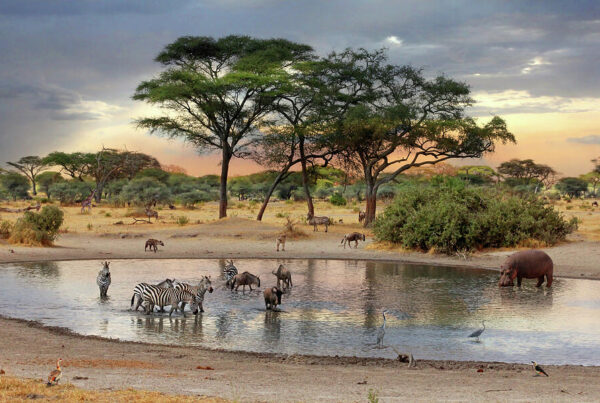
Toro-Semliki reserve in western Uganda protects an important stretch of lowland forest and savanna between the Rwenzori Mountains and the Semliki River on the Congo border. The reserve covers 548 square kilometres of open grassland, palm savanna, riverine forest, and papyrus swamp. Toro-Semliki reserve holds wildlife communities from both the savanna and the Congo Basin forest ecosystems. Uganda kob, buffalo, and elephant inhabit the open grassland sections. Aquatic sitatunga occupies the papyrus swamp areas along the Muzizi and Wasa rivers. The reserve’s lowland position creates a warm, humid microclimate that shelters species absent from Uganda’s cooler highland parks.
Toro-Semliki reserve sits approximately 40 kilometres west of Fort Portal near the Albertine Rift valley floor. The reserve acts as a buffer zone between Semuliki National Park to the south and the Fort Portal highlands to the east. Birding visitors specifically target Toro-Semliki reserve for its Congo Basin lowland bird species that occur at few other Uganda sites. The reserve’s combination of bird diversity, accessible wildlife, and quiet atmosphere makes it an outstanding but underutilised addition to any western Uganda safari. Few international visitors include Toro-Semliki reserve in their itineraries despite its position directly on the route between Fort Portal and Semuliki National Park.
Wildlife in Toro-Semliki Reserve
Mammals of Toro-Semliki Reserve
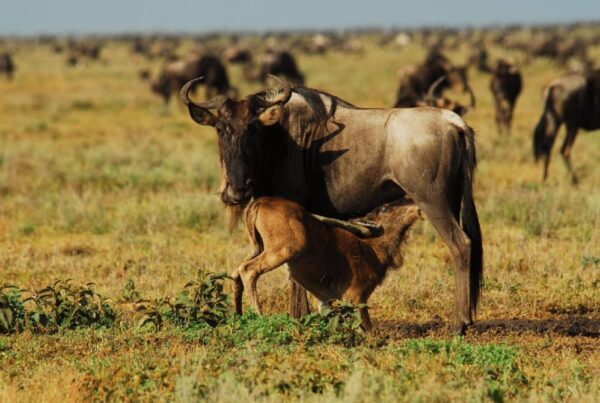
Uganda kob is the most visible large mammal of the Toro-Semliki reserve open grassland sections. The kob’s golden-brown coat and conspicuous lek display grounds make it easy to locate from the reserve’s internal tracks. Buffalo herds graze the open savanna in groups of 20 to 50 animals and are encountered regularly on morning game drives. African elephant ranges through the Toro-Semliki reserve forest and savanna edge and is present throughout the year. Waterbuck inhabits the grassland near the Wasa River and is particularly conspicuous at dawn. Hippopotamus occupies the river channels in the southern section of the reserve near the Semuliki boundary.
Sitatunga inhabits the papyrus swamp margins of the Muzizi River in the Toro-Semliki reserve. This swamp antelope is reliably encountered during boat trips on the river in the early morning. Olive baboon, vervet monkey, and black-and-white colobus monkey all occur in the forest sections of the reserve. Red-tailed monkey inhabits the forest interior and is more commonly heard than seen on reserve walking trails. The primates add to the mammal diversity of Toro-Semliki reserve and contrast with the open savanna species on a varied game drive day. Spotted hyena inhabits the reserve and is encountered occasionally on night game drives along the internal track network.
Birds of Toro-Semliki Reserve
Toro-Semliki reserve is one of Uganda’s most important birding destinations for Congo Basin lowland species. The reserve holds over 200 bird species including several that are extremely difficult to find elsewhere in Uganda. African pygmy kingfisher is common along every waterway and forest trail in the reserve. White-thighed hornbill inhabits the lowland forest canopy and calls persistently during morning hours. African piculet, a tiny woodpecker, inhabits the riverine forest edges and is one of the reserve’s most sought-after species. Blue-billed malimbe weaves its elaborate nest in the palm canopy and is conspicuous throughout the reserve’s palm savanna sections.
Grey parrot moves through the Toro-Semliki reserve lowland forest in pairs and small flocks, calling loudly in flight. The grey parrot occurs in few other Uganda sites and is a priority target for birders visiting the reserve. Black dwarf hornbill inhabits the dense riverine forest and requires patient searching to locate. African broadbill, red-rumped tinkerbird, and Sabine’s spinetail all occur in the reserve’s lowland forest zone. The Toro-Semliki reserve forest edge along the Wasa River is consistently the most productive birding position in the reserve for forest edge species. A three-hour dawn walk along this river edge regularly produces 60 to 80 species on a productive morning.
Visiting Toro-Semliki Reserve
Activities at Toro-Semliki Reserve
Game drives on the reserve’s internal track network cover the grassland, palm savanna, and riverine sections accessible by vehicle. Morning drives from the Toro-Semliki reserve headquarters at Saka locate kob, buffalo, and elephant in the open grassland sections. Walking safaris with Uganda Wildlife Authority armed rangers explore the riverine forest and river margins where vehicles cannot travel. Boat trips on the Muzizi River provide sitatunga and water bird encounters not possible from vehicle game drives. Birding walks along the Wasa River edge deliver Congo Basin forest species in the most productive and accessible position. Combining a morning game drive with an afternoon river birding walk creates the most complete Toro-Semliki reserve day programme.
Night game drives within Toro-Semliki reserve reveal nocturnal species including spotted hyena, genet, and African civet. White-tailed mongoose and African striped weasel inhabit the reserve and appear on spotlit night drives along open track sections. The reserve’s night sky away from light pollution is exceptional and the night drive experience delivers an additional dimension to the daytime wildlife programme. Night drives require Uganda Wildlife Authority ranger escort and advance booking at the reserve headquarters. Photographing the Toro-Semliki reserve wildlife at night requires a powerful spotlight and fast camera lens to capture nocturnal species in moving vehicle conditions.
Combining Toro-Semliki Reserve with Fort Portal
Toro-Semliki reserve lies 40 kilometres from Fort Portal town on the Semuliki road. The drive from Fort Portal takes 45 minutes to one hour on a tarmac and dirt road combination. Day trips from Fort Portal allow morning game drives and afternoon birding in the reserve without overnight accommodation at the reserve. Overnight tented camping at the reserve headquarters provides maximum game drive time. Visitors who stay overnight at Toro-Semliki reserve experience the wildlife transition from afternoon activity through sunset to full nocturnal conditions in a single immersive sequence. This full day-to-night reserve experience is the most rewarding way to engage with the Toro-Semliki wildlife community.
Toro-Semliki reserve combines naturally with Semuliki National Park to the south for a two-day western Uganda lowland circuit. Semuliki provides deeper forest and the Sempaya hot springs experience that Toro-Semliki does not offer. Together the two reserves cover the full lowland biodiversity of Uganda’s western Albertine Rift floor. Adding this two-day lowland circuit to a Fort Portal base itinerary requires only two extra days. These two days significantly expand the species list and landscape variety of any western Uganda safari without requiring travel beyond the Fort Portal area. Few western Uganda itineraries include this lowland circuit and those that do rate it among the week’s highlights.
Plan Your Safari
Plan Toro-Semliki reserve as a one to two day addition to any western Uganda itinerary based at Fort Portal. Book Uganda Wildlife Authority game drives, walking safaris, and boat trips through the reserve headquarters at Saka at least one week in advance. Combine with Semuliki National Park for a two-day western lowland circuit that dramatically expands the species list of any Fort Portal itinerary.
African Wild Trekkers includes Toro-Semliki reserve in western Uganda safari itineraries for birding and wildlife clients who want the lowland Congo Basin species alongside the standard Kibale and Bwindi programme. We arrange reserve permits, ranger escorts, and accommodation logistics for the full western Uganda lowland circuit.
Contact African Wild Trekkers to include Toro-Semliki reserve in your western Uganda safari. We respond within 24 hours and design itineraries that combine the reserve’s lowland wildlife with Kibale chimpanzees, crater lakes, and Bwindi gorilla trekking in the best possible sequence.