Uganda Leopard Spotting: Finding Africa’s Most Elusive Big Cat
Uganda leopard spotting rewards patient visitors at several national parks with one of Africa’s most sought-after wildlife encounters. Leopards inhabit every major Uganda national park and forest reserve but their secretive, solitary nature and dense habitat preferences make Uganda leopard spotting a genuine challenge. Queen Elizabeth National Park, Kidepo Valley National Park, and Murchison Falls National Park all provide Uganda leopard spotting encounters for well-guided, patient game drive visitors. The nocturnal activity peak of leopards means that night game drives significantly improve Uganda leopard spotting success rates compared to daytime game drives alone. Uganda leopard spotting on a dedicated night drive at a productive site is one of the most thrilling wildlife experiences in the country. The intensity of finding a leopard in spotlight at close range on a Uganda night drive matches any East Africa big cat encounter.
Uganda’s leopard population is estimated in the low thousands across all habitats including forest, savanna, and highland areas. The forest leopard population inhabiting Uganda’s mountain forests and rainforests is rarely encountered and even more secretive than the savanna subspecies. Savanna leopards at Queen Elizabeth and Murchison Falls are the primary targets for visitors. Kidepo Valley National Park supports a leopard population with higher density and less human pressure than the more visited western parks. Understanding the habitat preferences, daily activity patterns, and site-specific knowledge necessary for Uganda leopard spotting transforms this chance encounter into a planned and achievable safari objective.
Uganda Leopard Spotting Sites
Queen Elizabeth National Park Leopard Spotting
Queen Elizabeth National Park is Uganda’s best-known Uganda leopard spotting destination. The Kasenyi sector’s open grassland and the Mweya Peninsula’s mixed vegetation both shelter resident leopard individuals. Night game drives from Mweya Peninsula lodges are the most productiveg activity at Queen Elizabeth. Guides with spotlights cover the Mweya circuits and Kasenyi road at night when leopards hunt in the open. Daytime Uganda leopard spotting at Queen Elizabeth relies on locating the cat during the morning activity period before it retires to dense vegetation by mid-morning. Sightings of leopard resting in riverine fig trees along the channel bank road at Queen Elizabeth are memorable and photogenic when they occur.
The Ishasha sector of Queen Elizabeth in the south produces Uganda leopard spotting encounters in the woodland areas alongside the famous tree-climbing lions. Ishasha leopard sightings are less frequent than at Kasenyi but more dramatic when they occur in the Ishasha woodland. The combination of lion and leopard in a single Ishasha sector game drive represents a Uganda leopard spotting bonus that the northern Queen Elizabeth game drive circuit rarely produces. Allocating at least two nights at Ishasha gives two full days of game driving for Uganda leopard spotting alongside the tree-climbing lion encounters that draw most visitors to this sector.
Kidepo Valley National Park Leopard Spotting
Kidepo Valley National Park offers Uganda leopard spotting in a more remote and less disturbed environment than the western parks. Leopards at Kidepo inhabit the rocky escarpments and the wooded Narus Valley throughout the year. Night game drives at Kidepo with the Apoka ranger escort produce some of Uganda’s finest leopard encounters. The Kidepo leopard population is less conditioned to vehicle presence than the Queen Elizabeth individuals. This lower vehicle conditioning creates more natural and reactive leopard behaviour that experienced wildlife observers find more compelling than the habituated cat behaviour at busier parks. Uganda leopard spotting at Kidepo requires more patience and more driving time but delivers encounters that feel genuinely wild and unscripted.
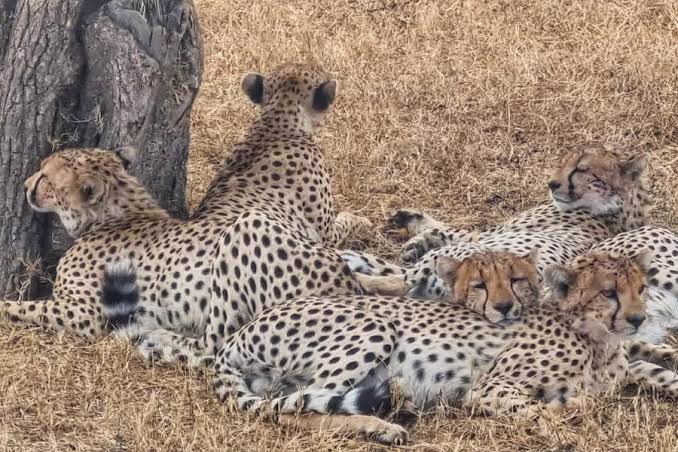
Rocky outcrops and kopjes at Kidepo provide classic leopard resting habitat during daylight hours. Scanning these rock features with binoculars on every game drive pass increases daytime Uganda leopard spotting success at Kidepo. Guides at Apoka maintain daily notes on leopard sightings and use this accumulated knowledge to target the most productive current areas. Combining a Kidepo leopard spotting focus with the lion and cheetah programme at the park creates Uganda’s most complete big cat safari experience in a single destination. No other Uganda park provides the combination of lion, leopard, and cheetah possible within a single Kidepo itinerary.
Uganda Leopard Spotting Techniques
Night Drives for Uganda Leopard Spotting
Night game drives dramatically improve success across all Uganda national parks. Leopards hunt in open areas during the first three hours after dark before retreating to cover. Driving slowly with a powerful spotlight along open savanna edges and riverine forest margins locates hunting leopards by eye-shine. The leopard’s eye-shine appears orange-yellow in spotlight and is distinctive from the orange-red eye-shine of lions or the green eye-shine of smaller cats. Uganda leopard spotting at night requires a vehicle with a roof hatch or open-sided design for full 360-degree spotlight scanning. Standard closed safari vehicles significantly reduce effectiveness on night drives.
The best Uganda leopard spotting night drives cover the same routes repeatedly to build up guide familiarity with individual home ranges. A guide who has recorded 200 nights on a specific circuit accumulates knowledge of individual territories and movement patterns that transforms encounter probability. This guide knowledge is the single most important factor in Uganda leopard spotting success beyond the basic decision to include night drives in the itinerary. Requesting an experienced guide specifically known for leopard sightings from your lodge or operator before each night drive is the most effective single action visitors can take to improve Uganda leopard spotting outcomes.
Daytime Uganda Leopard Spotting
Daytime Uganda leopard spotting uses three main detection methods: tracking signs, alarm calls, and direct scanning. Fresh leopard tracks on dirt roads tell experienced guides which direction a leopard moved within the past hour. Alarm calls from olive baboon Uganda troops, vervet monkeys, or impala indicate a predator’s current position. Scanning riverine trees and rocky outcrops systematically with binoculars covers the resting habitat leopards use during midday. Uganda leopard spotting by alarm call tracking is the most active and most skilled of these methods. A guide who recognises the specific alarm call of each species and can triangulate the predator’s position from multiple callers consistently produces more Uganda leopard spotting encounters than guides who rely on direct scanning alone.
Specific sites with known tree-roosting tendencies improve daytime Uganda leopard spotting success. Fig trees and mahogany trees along the Kazinga Channel bank road at Queen Elizabeth host resting leopards on several recorded occasions each season. Scanning every large-canopy tree on the Kazinga road with binoculars on each game drive pass adds cumulatively to Uganda leopard spotting probability. Murchison Falls leopards rest in Borassus palms along the north bank game drive circuit. Knowing the specific palm clusters where individual cats have rested historically focuses scanning effort on the most productive trees and reduces the time spent scanning unproductive habitat.
Plan Your Safari
Plan Uganda leopard spotting by including at least two night game drives at either Queen Elizabeth or Kidepo Valley National Park. Request an experienced guide with a strong leopard sighting record from your lodge. Allocate morning game drives before 08:00 for the best daytime window before cats retire to shade.
African Wild Trekkers designs itineraries that combine night drives at Queen Elizabeth with Kidepo big cat programme and Murchison Falls game drives. We request specific guides known for leopard encounters at each property and design night drive itineraries around the most productive current circuits.
Contact African Wild Trekkers to plan your safari. We respond within 24 hours and design itineraries that maximise night drive time at Uganda’s best leopard viewing sites.