Uganda Heron Species: Masters of the Waterway on Every Uganda Safari
Uganda heron species diversity covers 20 recorded herons and egrets across the country’s lakes, rivers, and wetlands. The heron species range from the enormous goliath heron to the tiny dwarf bittern in dense papyrus. Every Uganda water body holds multiple Uganda heron species throughout the year. The Kazinga Channel boat trip at Queen Elizabeth National Park produces 10 or more Uganda heron species in a single two-hour session. The Nile boat trip at Murchison Falls similarly produces eight to ten Uganda heron species from the river bank. Uganda heron species are among the most conspicuous and reliably encountered of all Uganda water birds.
Uganda heron species divide between the large, conspicuous herons of open water and the secretive bitterns of dense wetland vegetation. Goliath heron, grey heron, and purple heron stand in the open at water edges throughout the country. Black bittern and dwarf bittern inhabit dense papyrus and reed vegetation away from open water. Uganda heron species identification is generally straightforward for the large species but requires careful observation for the smaller bitterns. A Uganda heron species guide or field guide dramatically improves species count accuracy during any waterway boat trip.
Key Uganda Heron Species
Large Uganda Heron Species
Goliath heron is the world’s largest heron and the flagship Uganda heron species. It stands 145 centimetres tall on long, dark-reddish legs at the water’s edge. Uganda goliath heron individuals inhabit the Nile at Murchison Falls throughout the year. The Kazinga Channel holds several resident goliath heron pairs at known territory sections. This bird’s enormous size makes it unmistakable at any Uganda water body. Finding a goliath heron fishing at the Nile bank from the Murchison boat is a guaranteed experience on any morning trip.
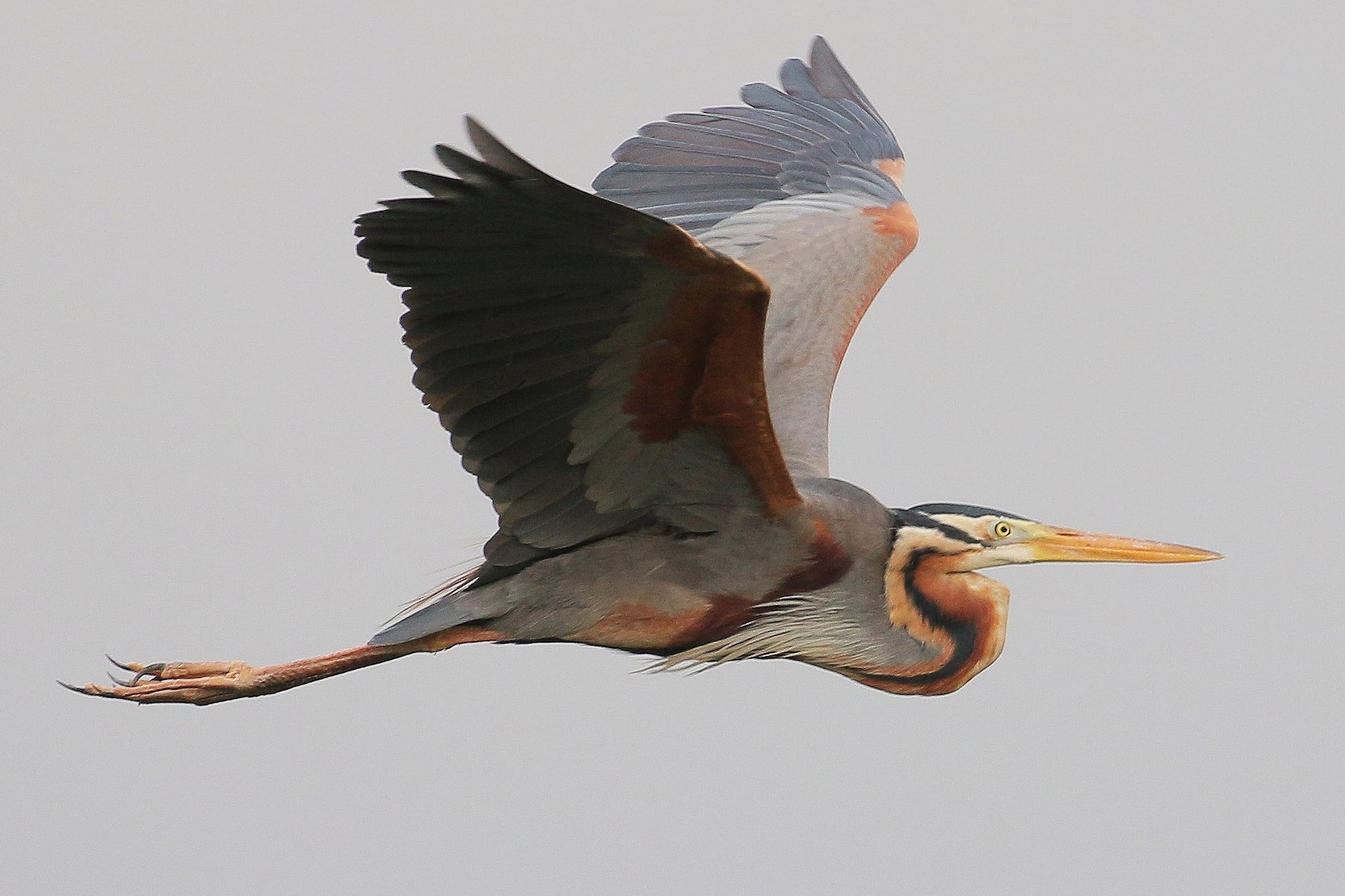
Grey heron is the most common Uganda heron species and occurs at every Uganda water body. It stands motionless at the water edge for long periods before striking at fish below the surface. Purple heron is a darker, more slender Uganda heron species that inhabits densely vegetated wetland edges. Black-headed heron is a grassland Uganda heron species that forages away from water in the savanna. This bird catches frogs, snakes, and large insects in open grassland habitats. Black-headed heron is regularly seen at Queen Elizabeth and Murchison grassland sections away from the main waterways.
Egret Uganda Heron Species
Great egret is the largest all-white Uganda heron species at all major water bodies. It feeds at water edges and in shallow open water throughout the day. Intermediate egret is slightly smaller and occurs in the same habitats as the great egret. Little egret is the smallest common white Uganda heron species with distinctive black legs and yellow feet. Cattle egret is the Uganda heron species most commonly seen away from water. This small, stocky egret follows large mammals and feeds on insects disturbed by their movement.
Squacco heron is a small, short-necked Uganda heron species that inhabits wetland vegetation edges. Its streaked brown plumage conceals it perfectly in the papyrus and reed habitat. When it flies, the bright white wings reveal the hidden Uganda heron species dramatically. Black egret is a small, entirely black Uganda heron species with a distinctive fishing technique. It spreads its wings forward over the water to create shade that attracts fish below. Finding a black egret using its canopy fishing technique at the Kazinga Channel is one of Uganda’s most fascinating Uganda heron species behavioural encounters.
Uganda Heron Species at Key Sites
Kazinga Channel Uganda Heron Species
The Kazinga Channel boat trip produces the richest Uganda heron species list available at any single Uganda site. Goliath heron, grey heron, purple heron, squacco heron, and all three white egrets appear on most productive morning trips. Black egret performs its distinctive canopy fishing technique at the channel edge papyrus. Night heron roosts in channel-edge trees and is visible on early morning boats departing before 07:00. Green-backed heron perches low over the water at the channel edges throughout the day. The full Kazinga Channel Uganda heron species list runs to 12 or more species on a productive morning boat.
Uganda heron species density at the Kazinga Channel is higher than at any other Uganda site. The channel’s productivity comes from the large hippo population that fertilises the channel water with their dung. This fertilisation stimulates fish and invertebrate productivity in the channel. High fish density in turn attracts high Uganda heron species numbers throughout the year. Every boat trip on the Kazinga Channel produces effortless Uganda heron species encounters from the boat deck. No specialist knowledge or effort is required to find multiple Uganda heron species on the standard Kazinga Channel tourist boat.
Murchison Falls Uganda Heron Species
The Nile boat trip from Paraa produces excellent Uganda heron species lists along the river banks. Goliath heron stands at the Nile bank edges throughout the 17-kilometre route to the falls. Grey heron and intermediate egret feed at shallow sections of the river during the boat trip. Yellow-billed stork forages in the same shallow sections alongside the Uganda heron species during the morning hours. African open-billed stork walks through the margins beyond the Uganda heron species feeding areas. The Murchison Falls Uganda heron species list is slightly smaller than the Kazinga Channel list but includes the same landmark goliath heron encounters.
Rufous-bellied heron is a rare Uganda heron species that occasionally appears at Murchison wetland margins. This small, secretive heron inhabits dense papyrus and wet grassland vegetation. Very few Uganda visitors encounter rufous-bellied heron as it rarely ventures to the open water edge. Bitterns in the Uganda heron species family are even more secretive and inhabit the densest papyrus at all Uganda wetland sites. Eurasian bittern is an intra-African migrant that visits Uganda wetlands during certain seasons. The booming call of the Eurasian bittern is more often recorded than the bird itself at Uganda heron species wetland sites.
Plan Your Safari
Book a morning Kazinga Channel boat at Queen Elizabeth National Park for the most diverse Uganda heron species encounter available on any Uganda safari. Combine this with the Murchison Falls Nile boat trip for the goliath heron and open river Uganda heron species experience. Depart both boat trips at 07:00 or earlier for the best Uganda heron species fishing activity.
African Wild Trekkers includes Uganda heron species boat trips at Kazinga and the Nile in all Queen Elizabeth and Murchison Falls itineraries. We arrange early morning departures and identify the most productive Uganda heron species channel sections for each boat trip.
Contact African Wild Trekkers to encounter Uganda heron species on your safari. We respond within 24 hours and design Uganda waterway itineraries that cover the full range of heron and egret species at Uganda’s finest lake and river sites.