Ngulia Rhino Sanctuary: Kenya’s Finest Black Rhino Tracking Experience
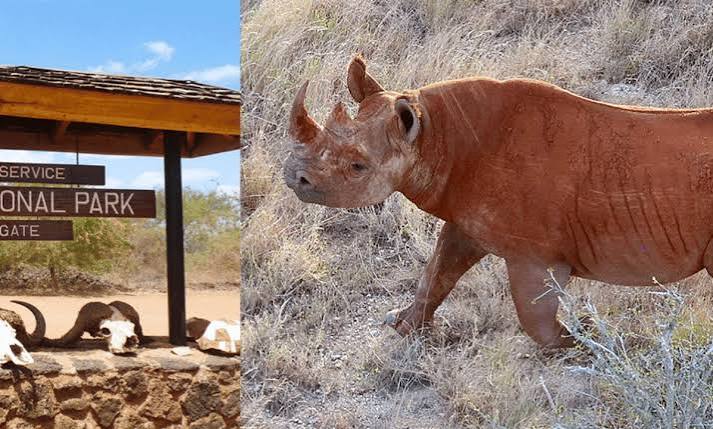
Ngulia rhino sanctuary is the most productive black rhino tracking destination in southern Kenya. This fenced 90-square-kilometre rhino sanctuary sits within Tsavo West National Park at the foot of the Ngulia Hills. Ngulia rhino sanctuary was established in 1986 when Kenya’s black rhino population had collapsed to below 400 animals from poaching. The Ngulia rhino sanctuary double fence system and intensive anti-poaching patrol have produced extraordinary breeding success. Ngulia rhino sanctuary now holds over 70 black rhino — one of the highest densities in any fenced Kenya rhino area. Guided rhino tracking walks inside Ngulia rhino sanctuary provide close encounters with black rhino in their natural habitat that are unmatched elsewhere in the Tsavo ecosystem.
Black rhino is the most endangered large mammal in Africa. Ngulia rhino sanctuary contributes directly to the species’ recovery in Kenya. Rhino born at Ngulia rhino sanctuary have been translocated to other Kenya conservation areas as part of the national rhino recovery programme. The breeding productivity at Ngulia rhino sanctuary makes it one of the most important black rhino conservation sites in East Africa. Visiting Ngulia rhino sanctuary supports this conservation work through the KWS entry and walking fees that fund the protection programme.
Ngulia Rhino Sanctuary Tracking
Walking Safaris at Ngulia Rhino Sanctuary
Ngulia rhino sanctuary guided walks depart from the sanctuary gate with KWS armed rangers. The Ngulia rhino sanctuary walking groups are limited to eight people per ranger team. Morning Ngulia rhino sanctuary walks from 07:00 to 10:00 are the most productive for fresh rhino sign and active animals. The Ngulia rhino sanctuary tracking team uses radio-telemetry receivers to locate collared individuals. Several Ngulia rhino sanctuary rhinos carry satellite tracking collars that allow the ranger team to determine their approximate positions before walking. This Ngulia rhino sanctuary tracking technology means that the probability of rhino encounter on a guided walk is very high. Most Ngulia rhino sanctuary morning walks produce at least one black rhino sighting at close range.
Ngulia rhino sanctuary walking encounters with black rhino occur at distances of 15 to 60 metres depending on the vegetation. The Ngulia rhino sanctuary black rhino is considerably smaller and more agile than the white rhino of Ol Pejeta. Black rhino at Ngulia rhino sanctuary has a prehensile upper lip adapted for browsing rather than grazing. Ngulia rhino sanctuary rhino feeding behaviour on commiphora bush branches is visible at close range during morning walks. A black rhino feeding at 20 metres from the Ngulia rhino sanctuary walking group is one of the most thrilling large mammal encounters available in Kenya. The ranger team’s positioning skill and calm management of the Ngulia rhino sanctuary encounter determines the duration and quality of the close-range observation.
Conservation Context at Ngulia Rhino Sanctuary
KWS rangers at Ngulia rhino sanctuary brief visitors on the conservation history of the site before each walk. This Ngulia rhino sanctuary briefing covers the 1980s poaching crisis, the establishment of the fenced sanctuary, and the current population recovery. Understanding the Ngulia rhino sanctuary conservation story transforms the walk from a wildlife viewing exercise into a direct engagement with the most significant conservation success in Kenya’s history. The individual Ngulia rhino sanctuary rhinos are named and their life histories known to the ranger team. A ranger who identifies the specific Ngulia rhino sanctuary individual encountered and narrates its breeding history creates a powerful personal connection between the visitor and the rhino recovery programme.
The Ngulia rhino sanctuary migratory bird ringing station adds another dimension to the site visit. Ngulia Hill is one of East Africa’s most important migratory bird concentration points during the northern winter months from October to March. The Ngulia rhino sanctuary ringing station has recorded over 60,000 birds of 100 species during peak migration nights. Walking the Ngulia rhino sanctuary in the early morning during October and November combines black rhino tracking with the spectacle of thousands of Palearctic migrant birds moving through the commiphora woodland. This extraordinary Ngulia rhino sanctuary combination of rhino and migratory bird activity in a single morning is unlike any other Kenya wildlife experience.
Ngulia Rhino Sanctuary Practical Information
Accessing Ngulia Rhino Sanctuary
Ngulia rhino sanctuary is located 15 kilometres from Kilaguni Lodge inside Tsavo West National Park. The sanctuary gate is reached by the park road from Kilaguni toward the Ngulia Hills escarpment. Ngulia rhino sanctuary walks must be pre-booked with KWS through Kilaguni Lodge or other Tsavo West accommodation operators. Walk-in Ngulia rhino sanctuary visits without prior booking are not guaranteed due to limited daily group numbers. Booking a Ngulia rhino sanctuary walk through the accommodation lodge ensures availability and proper orientation before departure. The Ngulia rhino sanctuary walking fee is charged separately from the park entrance fee.
The walk duration at Ngulia rhino sanctuary is two to three hours depending on rhino locations and group fitness. The Ngulia rhino sanctuary terrain includes rocky hillside sections and open commiphora scrubland at moderate altitude. Sturdy walking shoes are required for the Ngulia rhino sanctuary rocky terrain sections. Sun protection is essential for the open Ngulia rhino sanctuary walking sections exposed to the Tsavo sun. Binoculars are necessary for the Ngulia rhino sanctuary bird watching component of the walk.
Ngulia Rhino Sanctuary and the Tsavo Circuit
Ngulia rhino sanctuary combines most productively with a Kilaguni Lodge stay as the base for both Tsavo West Mzima Springs and the rhino walk. A two-night Kilaguni Lodge programme covers the Ngulia rhino sanctuary morning walk, Mzima Springs visit, Shetani lava flow drive, and the Kilaguni waterhole evening game viewing in a comprehensive Tsavo West sequence. Adding a third night allows a full-day Tsavo East excursion from the Tsavo West base to add the Tsavo East red elephant and Galana River experience. This three-night Tsavo West base with Ngulia rhino sanctuary walk, Mzima Springs, and Tsavo East day trip constitutes one of the finest southern Kenya safari circuits available.
Ngulia rhino sanctuary is one of the Tsavo West programme elements most frequently cited by repeat visitors as the highlight of their southern Kenya safari. The combination of walking on foot in a wild African landscape with close-range black rhino encounters creates the most powerful wildlife encounter available in the entire Tsavo ecosystem. The Ngulia rhino sanctuary walk produces a sense of genuine privilege and conservation engagement that conventional vehicle game drives cannot replicate regardless of the species encountered.
Plan Your Safari
Book a Ngulia rhino sanctuary morning walk for the first full day of a Tsavo West stay. Arrange the walk through Kilaguni Lodge at the time of accommodation booking. Combine the Ngulia rhino sanctuary morning walk with a Mzima Springs afternoon visit for the most complete single Tsavo West wildlife day programme.
African Wild Trekkers includes Ngulia rhino sanctuary walks in all Tsavo West safari programmes. We book the walking guide team, arrange Kilaguni Lodge accommodation, and design southern Kenya circuits that combine the rhino tracking experience with the full range of Tsavo West and Tsavo East wildlife.
Contact African Wild Trekkers to walk at Ngulia rhino sanctuary. We respond within 24 hours and design Tsavo safari programmes where close-range black rhino tracking is the centrepiece of an extraordinary southern Kenya wilderness experience.