Kenya Camel Safari: Crossing the Northern Frontier on Camelback
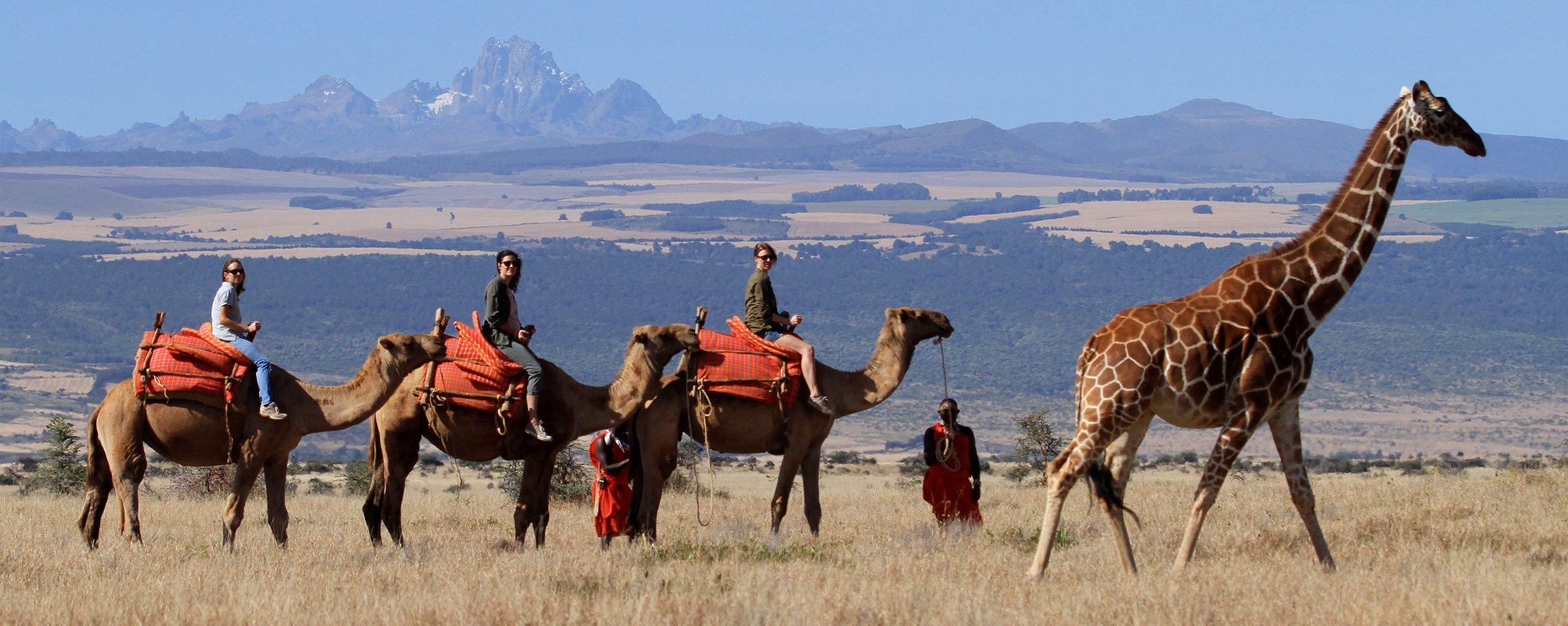
A Kenya camel safari offers one of East Africa’s most adventurous and culturally authentic wilderness experiences. It follows ancient caravan routes across northern Kenya using camels that Somali and Rendille pastoralists have relied on for centuries. The animals carry camping equipment, food, and supplies while guests walk through thorn scrub and open plains. Daily distances range from 15 to 25 kilometres, matching the region’s natural rhythm. Most operators run safaris in the Mathews Range, Samburu, and Marsabit regions.
Yare Safaris introduced the modern Kenya camel safari during the 1970s as an alternative to vehicle-based travel. The company recognised that many remote landscapes offered richer experiences on foot than by vehicle. Since then, camel safaris have evolved into a range of experiences, from simple camping expeditions to luxury fly-camp adventures with professional chefs and full support teams. Today, travellers can choose an itinerary that suits both their budget and preferred level of comfort.
Kenya Camel Safari Experience
Daily Life on a Camel Safari
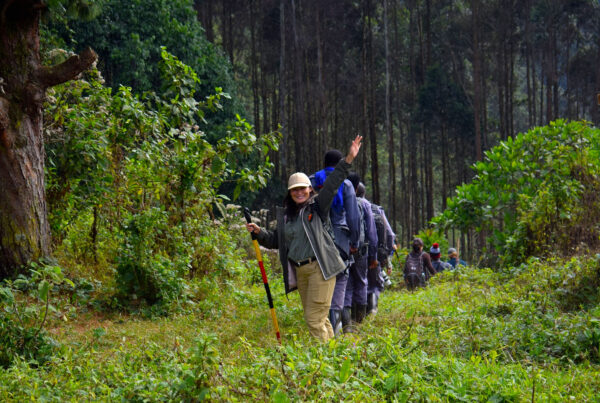
Each safari day starts before sunrise as camel handlers load the equipment. Groups usually begin walking by 6:30 a.m. to enjoy the cool morning temperatures. Guests spend four to six hours on the trail with regular breaks beneath shaded acacia trees during the hottest part of the day. Although camels carry all luggage and supplies, participants mainly walk beside them. However, riders can enjoy occasional camel rides across suitable open terrain throughout the journey.
Meanwhile, the camp team travels ahead to prepare the evening campsite before the group arrives. Most camps include comfortable dome tents, a dining area, and a campfire beneath an acacia tree. As darkness falls, wood smoke drifts through camp while camels settle quietly nearby. The peaceful atmosphere, combined with the silence of northern Kenya, creates an unforgettable wilderness experience. Many guests consider these evenings the highlight of their African adventure.
Wildlife Encounters
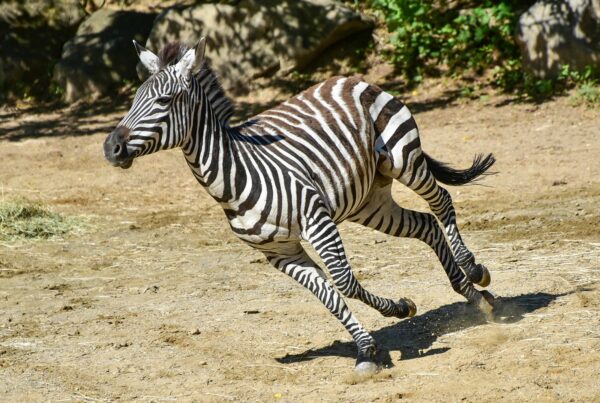
Walking allows travellers to observe wildlife in places that vehicles rarely reach. Grevy’s zebra graze across open valleys, while reticulated giraffe browse among tall acacia trees. Gerenuk stand upright to feed on fresh branches, and Beisa oryx often cross the trail in orderly groups. Additionally, lesser kudu remain hidden within dense commiphora woodland. Together, these species represent the distinctive wildlife that thrives across northern Kenya’s dry landscapes.
Lion encounters remain possible, making every walk exciting and memorable. Experienced guides constantly monitor tracks and fresh signs before choosing the safest route. If lions stay nearby, guides simply adjust the day’s path. Occasionally, guests spot lions from a safe distance across open country. Furthermore, elephant encounters in the Mathews Range provide unforgettable moments. Watching elephants at ground level creates a far more powerful experience than viewing them from a safari vehicle.
Kenya Camel Safari Routes
Mathews Range Camel Safari
The Mathews Range, north of Samburu, offers Kenya’s finest camel safari terrain. Rising to 2,688 metres above the surrounding plains, the mountains feature forests, bamboo thickets, and rolling grasslands. Most safaris last five to seven days and pass through landscapes that support elephants, buffalo, lions, leopards, and greater kudu. The Samburu community protects this wilderness through the Namunyak Wildlife Conservancy, ensuring safari revenue directly benefits local landowners and conservation projects.
Desert Rose Lodge, near Nakuprat Gotu Conservancy, provides luxury camel safari departures into northern Samburu. The area supports reticulated giraffe, Grevy’s zebra, and Beisa oryx across dry acacia savannah. Most itineraries include three to five days of walking with luxury fly-camp accommodation each evening. In addition, Saruni Samburu and Elephant Watch Camp offer camel safari experiences as part of their broader Samburu safari packages.
Marsabit Camel Safari
Marsabit Mountain offers Kenya’s most remote and demanding camel safari experience. Routes cross volcanic craters, cedar forests, and the beautiful Lake Paradise inside Marsabit National Park. Most journeys last five to seven days from Marsabit town. Complete isolation defines this region because visitors rarely encounter other tourists, mobile networks, or permanent infrastructure. Consequently, travellers enjoy one of Kenya’s most immersive wilderness adventures.
The Boran and Gabbra communities continue to practise traditional camel-herding lifestyles across the Marsabit region. Local guides share valuable knowledge of the landscape while leading multi-day trekking expeditions. Camping alongside these communities creates meaningful cultural exchanges that standard vehicle safaris cannot easily provide. As a result, visitors experience both authentic pastoral traditions and remarkable wilderness during a single journey.
Best Time for a Kenya Camel Safari
The ideal safari season runs from July through March when dry conditions make walking easier. In contrast, the long rains between April and June can make some routes difficult or inaccessible. January and February often provide the best combination of pleasant temperatures, firm ground, and excellent wildlife viewing before the hottest months arrive.
Plan Your Safari
Choose a camel safari lasting at least four days to enjoy a complete wilderness experience. First-time trekkers often find the Mathews Range the ideal introduction because it combines accessible routes with excellent wildlife viewing. For an even richer itinerary, combine the trek with game drives in Samburu or Buffalo Springs National Reserve.
African Wild Trekkers designs customised Kenya camel safari itineraries throughout the Mathews Range and Samburu landscapes. Our team works with experienced camel operators, matches routes to different fitness levels, and combines walking adventures with classic northern Kenya wildlife safaris for a complete travel experience.
Contact African Wild Trekkers to book a Kenya camel safari. We respond within 24 hours and design northern Kenya adventure programmes that access the finest wilderness landscapes and pastoral cultural experiences in the camel country of East Africa.