Gorilla Trekking Market Size Value: Understanding the Economic Impact of Gorilla Tourism
Gorilla trekking has become one of Africa’s most valuable wildlife tourism products. What began as a conservation initiative designed to protect endangered mountain gorillas has evolved into a multi-million-dollar tourism industry that supports national economies, local communities, conservation organizations, and private tourism businesses. As the popularity of wildlife tourism continues to grow, interest in the gorilla trekking market size and value has increased among investors, tourism professionals, conservationists, and travelers.
The economic significance of gorilla trekking extends far beyond permit sales. Visitors spend money on accommodations, transportation, domestic flights, guiding services, cultural experiences, meals, souvenirs, and additional safari activities. These expenditures generate substantial revenue throughout the tourism value chain while creating employment opportunities and supporting infrastructure development in rural regions.
Uganda and Rwanda have emerged as the leading destinations for mountain gorilla tourism, attracting thousands of visitors annually. Through carefully managed permit systems and conservation-focused tourism policies, both countries have successfully transformed mountain gorillas into one of Africa’s most valuable tourism assets. Understanding the size and value of this market helps explain why gorilla tourism remains a cornerstone of conservation and economic development strategies across the region.
What Is the Gorilla Trekking Market Size Value?
The gorilla trekking market size value refers to the total economic contribution generated by mountain gorilla tourism. This includes direct revenue from gorilla permits as well as indirect and induced economic benefits created through tourism-related spending.
Direct revenue originates primarily from permit sales. Every visitor who participates in gorilla trekking must purchase a permit issued by the relevant wildlife authority. These permits represent one of the highest-value wildlife tourism products in Africa and generate substantial income for conservation management and protected area operations.
Indirect economic value comes from visitor spending on accommodations, transportation services, tour operators, restaurants, guides, and other tourism-related businesses. Induced value emerges when employees and local businesses spend income earned from tourism activities within their communities, creating additional economic benefits.
When combined, these revenue streams create a significant tourism economy centered around mountain gorillas. Although precise market values fluctuate annually due to visitor numbers, permit pricing, and global travel trends, gorilla tourism consistently ranks among the highest-value wildlife tourism sectors on the African continent.
The Economic Importance of Gorilla Permits
Gorilla permits form the foundation of the gorilla tourism market. Permit fees generate substantial revenue while controlling visitor numbers and protecting gorilla populations from excessive tourism pressure.
The permit system follows a high-value, low-volume model. Rather than maximizing visitor numbers, wildlife authorities limit daily permits to ensure sustainable tourism and minimize disturbance to mountain gorillas. This strategy allows destinations to generate significant revenue from relatively small visitor volumes.
Because mountain gorillas exist only in a limited geographic region, demand for permits remains consistently strong. Many travelers view gorilla trekking as a once-in-a-lifetime experience and are willing to pay premium prices for the opportunity. This willingness to pay supports the long-term financial sustainability of conservation programmes while maintaining the exclusivity of the experience.
Permit revenue contributes directly to protected area management, ranger salaries, anti-poaching initiatives, veterinary programs, habitat protection, and community development projprograms result, permit sales represent both an economic asset and a conservation funding mechanism.
Tourism Spending Beyond Gorilla Permits
The true gorilla trekking market size value extends far beyond permit purchases. Most visitors spend considerably more on their overall safari experience than on permits alone. This additional spending significantly increases the industry’s economic impact.
Accommodation represents one of the largest expenditure categories. Visitors typically stay in lodges, hotels, or safari camps located near trekking destinations. These properties range from budget accommodations to luxury eco-lodges, creating opportunities for diverse market segments.
Transportation also contributes significantly to the market value. International flights, domestic aviation services, airport transfers, and ground transportation all benefit from gorilla tourism demand. Many visitors hire private safari vehicles and guides, further increasing spending within the tourism sector.
Additional activities such as cultural tours, birdwatching, nature walks, community visits, and wildlife safaris generate further revenue. Many travelers extend their trips to explore other attractions in Uganda and Rwanda, increasing the overall economic contribution of gorilla tourism.
The cumulative effect of these expenditures substantially expands the market value beyond permit revenue alone.
Uganda’s Contribution to the Gorilla Tourism Market
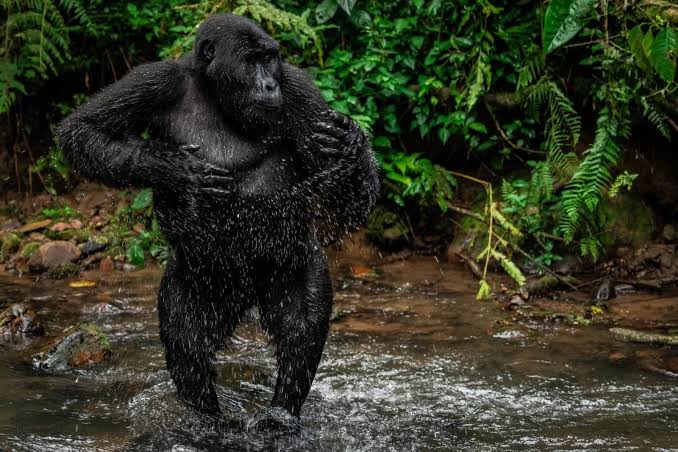
Uganda accounts for a significant share of the global mountain gorilla tourism market. The country hosts more than half of the world’s remaining mountain gorilla population and offers extensive trekking opportunities through multiple habituated gorilla families.
Bwindi Impenetrable National Park serves as the primary hub for gorilla tourism in Uganda. The park attracts visitors from around the world and supports a broad network of tourism businesses, including lodges, tour operators, transportation providers, and community enterprises.
Mgahinga Gorilla National Park also contributes to the market while offering opportunities to combine gorilla trekking with golden monkey tracking and volcanic scenery. Although smaller in scale, the park remains an important component of Uganda’s gorilla tourism portfolio.
The economic benefits generated by gorilla tourism have made wildlife conservation a major contributor to regional development and national tourism revenue.
Rwanda’s Premium Tourism Model
Rwanda has developed a highly successful premium tourism strategy that positions gorilla trekking as a luxury wildlife experience. This approach focuses on maximizing economic returns while maintaining low visitor volumes and strong conservation outcomes.
Volcanoes National Park serves as the country’s flagship gorilla tourism destination. Its proximity to Kigali and excellent infrastructure attract high-spending international visitors seeking convenience and exclusivity.
Rwanda’s premium pricing model has significantly increased the overall market value of gorilla tourism. Luxury accommodations, personalized services, and high-end safari experiences contribute to substantial visitor spending throughout the tourism sector.
This strategy demonstrates how conservation-based tourism can generate strong economic returns without relying on mass tourism. The success of Rwanda’s approach has attracted international attention and strengthened the country’s reputation as a leading conservation tourism destination.
Factors Driving Market Growth
Several factors continue to support the growth of the gorilla trekking market size and value. Rising global interest in sustainable tourism remains one of the most important drivers. Travelers increasingly seek experiences that contribute positively to conservation and local communities.
Experiential travel trends also favor gorilla tourism. Many travelers prioritize unique and meaningful experiences over traditional sightseeing vacations. The opportunity to observe mountain gorillas in their natural habitat aligns perfectly with these preferences.
Growing awareness of conservation issues further supports market expansion. Visitors often view gorilla trekking as a way to contribute directly to wildlife protection while enjoying a world-class travel experience.
Infrastructure improvements, better international connectivity, and increased marketing efforts are also expanding the industry’s reach. Emerging tourism markets in Asia, the Middle East, and Latin America present additional opportunities for future growth.
Together, these factors suggest continued expansion of the gorilla tourism market over the coming years.
Conservation Value as an Economic Asset
One of the most distinctive aspects of the gorilla tourism market is the direct relationship between conservation and economic value. Healthy gorilla populations form the foundation of the entire industry. Without effective conservation, the tourism product would not exist.
This relationship creates strong incentives for governments, communities, and private businesses to invest in wildlife protection. Tourism revenue supports conservation activities while conservation success enhances tourism appeal. The resulting cycle benefits both wildlife and local economies.
The recovery of mountain gorilla populations over recent decades demonstrates the effectiveness of this model. Conservation achievements have strengthened market confidence and reinforced the long-term sustainability of the industry.
As environmental responsibility becomes increasingly important to travelers and investors, the conservation value of gorilla tourism is likely to become even more significant.
Future Outlook for the Gorilla Tourism Market
The future outlook for the gorilla trekking market size and value remains highly positive. Demand continues to grow, new visitor markets are emerging, and conservation success supports long-term industry stability.
While permit availability will remain limited due to conservation requirements, overall market value is likely to increase through higher visitor spending, premium tourism offerings, and improved tourism infrastructure. Luxury travel segments are expected to remain particularly strong, especially in Rwanda.
Technology, digital marketing, and enhanced travel accessibility will also contribute to future growth. As more travelers discover the benefits of conservation-based tourism, gorilla trekking is likely to maintain its position as one of Africa’s most valuable wildlife experiences.
The combination of strong demand, limited supply, and global conservation significance creates a favorable environment for continued market expansion.
Conclusion
The gorilla trekking market size value represents far more than permit sales alone. It encompasses a complex tourism economy that generates revenue through accommodations, transportation, guiding services, cultural experiences, and conservation activities. Together, these sectors create one of Africa’s most successful wildlife tourism industries.
Destinations such as Bwindi Impenetrable National Park, Mgahinga Gorilla National Park, and Volcanoes National Park continue to attract international visitors while supporting conservation and community development.
As sustainable tourism continues to expand globally, gorilla trekking is expected to remain one of the world’s most valuable conservation tourism products. Its unique combination of wildlife protection, economic impact, and exceptional visitor experiences ensures a strong future for both the tourism industry and the mountain gorillas it helps protect.