Impala Rutting Africa: The November Rut and Its Extraordinary Acoustic Display
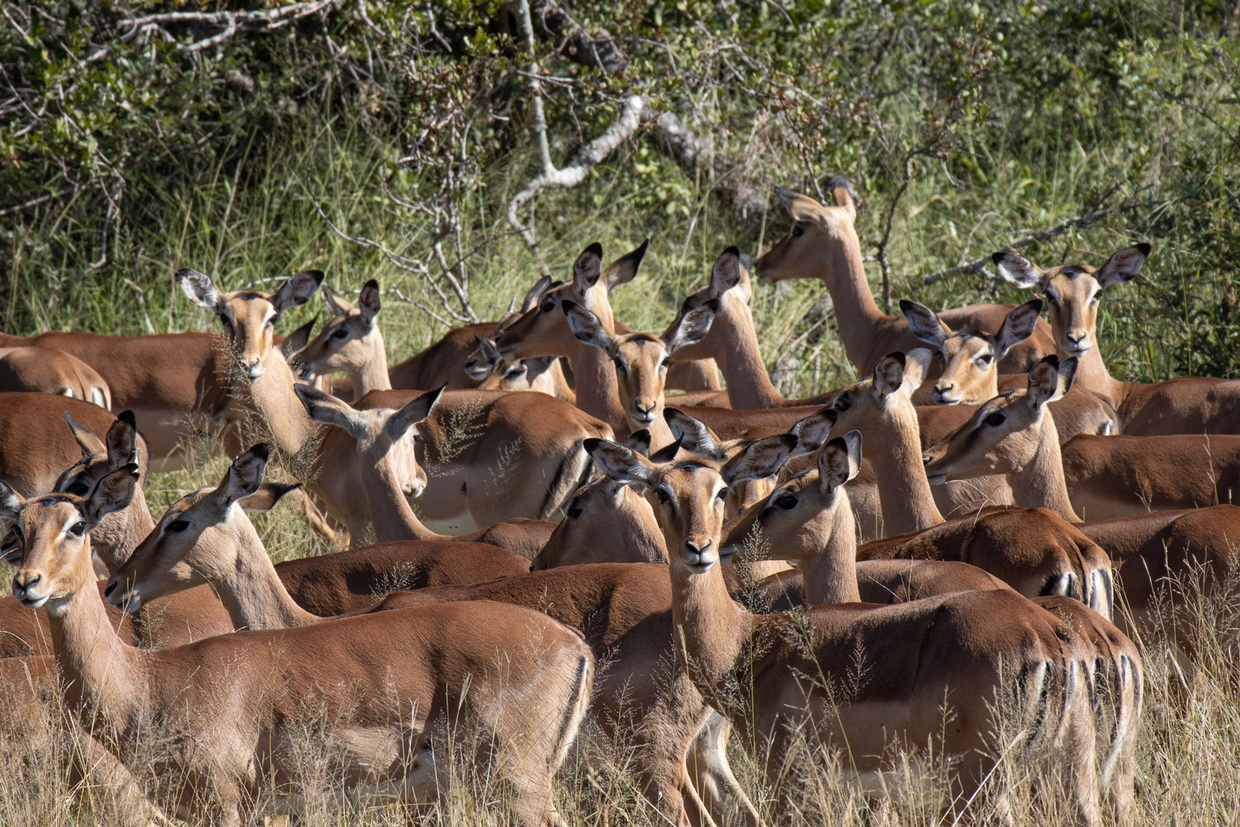
In November in the Maasai Mara and Serengeti, the impalas go loud. A rutting impala male produces a deep, repeated barking bellow that carries several hundred metres. Most visitors hearing it for the first time scan the bush for a buffalo or a predator before finding the source — a slender, elegant antelope. The rutting male herds females, fights rivals, and sprints back and forth across his territory while producing this call almost constantly. For six to eight weeks per year, the impala transforms from a calm grazer into a frantically driven reproductive machine.
The Timing: The November Rut
East Africa’s impala synchronise their rutting season in response to day length changes and rainfall patterns. The primary rut peaks in November and December — the start of the short rains. Calves arrive approximately six months later, in May and June, coinciding with the long rains’ grass flush. Abundant nutrition in those first weeks improves early calf survival significantly.
The coordinated rut creates a synchronised birth peak. Thousands of calves arrive within a few weeks — overwhelming local predators’ capacity to take them. A calf born three months outside the birth peak faces those same predators with no dilution of attention.
The Territorial Male’s Workload
A territorial impala male during the rut is among the most overworked animals in East Africa. His territory covers approximately 10 to 20 hectares. He herds females back from the boundary when they stray. He chases bachelor males away constantly. He performs the neck-stretch display at every passing male and produces his deep roaring call almost without pause through the active hours. He barely eats and barely rests.
This workload drains body condition fast. At the rut’s start, the male stands at his physical peak with months of quality feeding behind him. Three to four weeks later, that same male may have shed 30 to 40 percent of his body mass. Vigilance drops. Fighting performance declines. Younger, fresher males challenge successfully during this period of exhaustion, taking the territory and the reproductive access it carries.
Fighting: Horn Locking and Physical Combat
Rival impala fights are direct horn-to-horn engagements. The males approach head-on, lower their heads, interlock horns, and push — each attempting to turn the rival sideways and expose a flank. The S-curve of the lyre-shaped horns locks reliably when two males engage, preventing the fight from becoming a stabbing bout. Most fights end within a minute when one male gives ground. Prolonged circling bouts last up to 15 minutes.
Horn fatality — where locked horns cannot be disengaged after the fight — is well documented. Pairs found dead in the Maasai Mara with locked horns appear regularly during the rut. The locking mechanism that keeps most fights safe occasionally becomes fatally permanent.
Plan Your Safari
November is the optimal month to observe the impala rut in the Maasai Mara and Serengeti. Territorial male roaring is audible from the vehicle before the animals are visible — use the calls to locate active territories. The combination of the rut, the short rains greening the savanna, and high post-migration predator activity makes November one of East Africa’s most productive wildlife months, despite lower visitor numbers than the August peak.
African Wild Trekkers designs Maasai Mara and Serengeti itineraries timed to the impala rut for visitors interested in wildlife beyond the migration spectacle. Contact us to plan a November safari in East Africa.