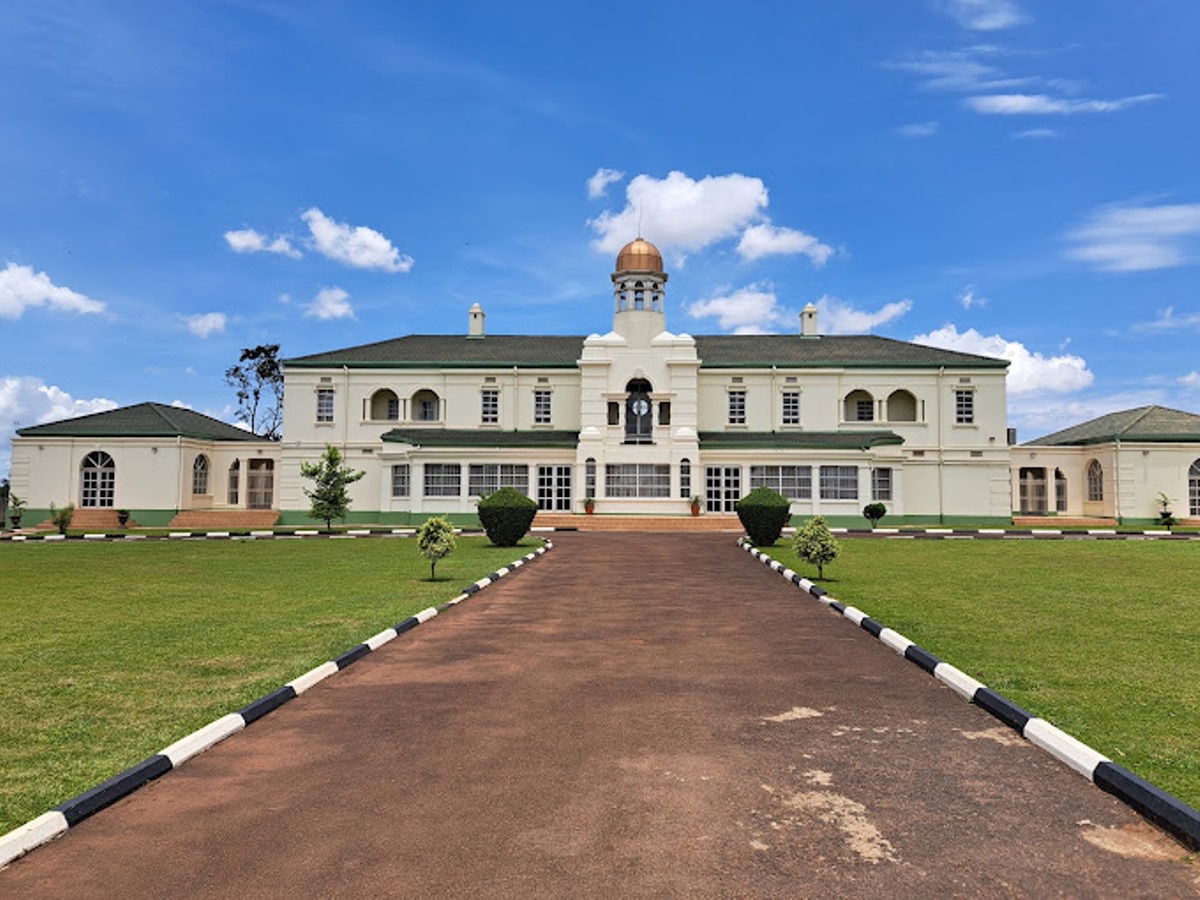
Baganda Kingdom Culture: Exploring the Traditions, Heritage, and Identity of Uganda’s Largest Kingdom
Baganda Kingdom Culture represents one of the most influential and well-preserved cultural identities in Uganda. Located in the central region of the country, the Kingdom of Buganda has played an important role in shaping Uganda’s history, traditions, language, and social systems. The Baganda people, also known as the Ganda, continue to celebrate their heritage through customs, ceremonies, music, art, and community values that connect present generations with their ancestors.
A journey into Baganda Kingdom Culture provides an opportunity to understand the traditions of a community with a rich historical background. From the leadership of the Kabaka, the traditional king of Buganda, to the importance of clans and cultural practices, every aspect of Baganda life reflects a strong sense of identity and belonging. Furthermore, exploring this culture allows visitors and communities to appreciate the importance of preserving heritage in a rapidly changing world.
The History and Importance of Buganda Kingdom
The history of Buganda Kingdom Culture connects deeply with the development of one of East Africa’s most organized traditional kingdoms. Buganda established strong political and social systems long before modern Uganda formed. The kingdom expanded its influence through effective leadership, agriculture, trade, and diplomatic relationships with neighboring communities.
The Kabaka serves as the cultural leader of the Baganda people and represents unity, tradition, and continuity. The institution of kingship remains an important symbol of cultural pride because it connects modern Baganda communities with their historical roots. Moreover, the Kabaka’s role reflects the importance of leadership, responsibility, and service within Baganda society.
Buganda’s traditional governance system included chiefs who managed different areas of the kingdom. These leaders helped maintain order, supported community development, and protected cultural practices. As a result, the kingdom developed a strong organizational structure that influenced social life for generations.
The Role of Clans in Baganda Culture
Clans form one of the most important foundations of Baganda Kingdom Culture. The Baganda people organize themselves into different clans, each with its own history, symbols, responsibilities, and traditional stories. Every clan connects members through shared ancestry and provides a sense of identity and belonging.
Traditionally, each clan has a specific totem, known as *omuziro*, which represents a special connection between people and nature. Clan members respect their totems and avoid harming or consuming them because they consider them important cultural symbols. For example, some clans associate themselves with animals, plants, or natural elements that carry historical meaning.
Additionally, clans play important roles during marriage ceremonies and community events. They help strengthen relationships between families and ensure that cultural knowledge passes from one generation to another. Through clan traditions, the Baganda preserve their history while maintaining strong social connections.
Traditional Baganda Lifestyle and Values
Traditional Baganda Kingdom Culture emphasizes respect, cooperation, family relationships, and community responsibility. Family remains a central part of Baganda society, where elders provide guidance and younger generations learn important values through experience and storytelling.
Agriculture has historically supported many Baganda communities because the fertile lands of Buganda allow the cultivation of crops such as bananas, coffee, and other food products. Matooke, a type of green banana, holds a special place in Baganda cuisine and represents an important cultural food. Many families consider preparing and sharing meals a meaningful way to strengthen relationships.
Furthermore, traditional values encourage respect for elders, hospitality toward guests, and responsibility toward the wider community. These principles continue to influence social interactions and contribute to the preservation of Baganda identity.
Traditional Ceremonies and Celebrations in Baganda Culture
Traditional ceremonies play an important role in preserving and celebrating Baganda Kingdom Culture. These events bring families and communities together while marking significant moments such as marriages, births, cultural gatherings, and other important occasions. Through these ceremonies, the Baganda people continue sharing values, customs, and historical knowledge with younger generations.
Marriage ceremonies hold special importance within Baganda traditions because they unite not only two individuals but also their families and clans. During traditional introductions, families exchange greetings, share gifts, and celebrate the beginning of new relationships. These gatherings highlight the importance of respect, cooperation, and family connections within Baganda society.
Additionally, cultural events connected to the Buganda Kingdom provide opportunities for people to celebrate their heritage. Music, storytelling, traditional clothing, and performances create a strong connection between the past and present. Therefore, these occasions help maintain cultural pride while allowing communities to share their traditions with others.
Music, Dance, and Artistic Expressions
Music and dance represent essential elements of Baganda Kingdom Culture. Traditional performances communicate history, emotions, and social values while bringing people together during celebrations. The Baganda use various instruments, including drums, string instruments, and flutes, to create rhythms that accompany songs and dances.
The royal drums of Buganda hold special cultural significance because they represent the authority and traditions of the kingdom. Drumming often accompanies important ceremonies and serves as a way to announce events, celebrate achievements, and preserve historical memories.
Dance also provides a powerful form of cultural expression. Traditional dances feature coordinated movements, colorful clothing, and meaningful rhythms that reflect community identity. Through these performances, younger generations learn about their heritage while audiences experience the creativity and beauty of Baganda traditions.
Exploring Baganda Heritage as a Visitor
Visitors interested in Baganda Kingdom Culture can explore many cultural sites and experiences throughout central Uganda. These experiences provide opportunities to learn about traditional leadership, architecture, history, and everyday life within the kingdom.
A visit to important cultural locations allows travelers to understand the significance of Buganda’s history and traditions. Visitors can learn about royal customs, traditional crafts, storytelling practices, and the role of cultural institutions in preserving heritage.
Moreover, cultural tourism encourages meaningful connections between visitors and communities. When people approach cultural experiences with respect and curiosity, they gain a deeper understanding of Baganda identity while supporting efforts to preserve important traditions.
Preserving Baganda Kingdom Culture for Future Generations
Modern changes continue to influence cultural practices around the world, and Baganda Kingdom Culture also experiences this transformation. However, many communities actively preserve their traditions through education, cultural events, storytelling, and family practices.
Young Baganda people continue learning about their history, language, and customs while participating in modern society. This balance allows cultural identity to remain strong while creating opportunities for growth and innovation.
Furthermore, preserving Baganda heritage requires support from families, cultural institutions, educators, and communities. By encouraging younger generations to value their traditions, society ensures that important knowledge and practices continue.
Why Baganda Kingdom Culture Matters
Baganda Kingdom Culture represents an important part of Uganda’s national heritage. Its traditions, leadership systems, arts, and social values demonstrate the richness of cultural diversity within the country. Learning about Buganda provides valuable insights into how communities maintain identity while adapting to changing times.
For visitors and local communities alike, exploring Baganda culture creates opportunities for connection, appreciation, and shared learning. The traditions of the Baganda people remind everyone of the importance of respecting heritage and celebrating the different cultures that contribute to human history.
Baganda Kingdom Culture reflects a powerful combination of history, tradition, leadership, and community values. From the role of the Kabaka and clan systems to traditional ceremonies, music, and food, every element contributes to a unique cultural identity that continues to thrive.
As Uganda develops and changes, preserving Baganda traditions remains essential for future generations. Through cultural education, responsible tourism, and community involvement, the heritage of the Baganda people can continue inspiring both present and future generations. Exploring this remarkable culture offers a deeper appreciation of Uganda’s history and the importance of protecting cultural diversity.