Karamajong Culture Uganda: Discover the Traditions, Lifestyle, and Heritage of Northern Uganda
Karamajong Culture Uganda represents one of the most unique and fascinating cultural identities in East Africa. Found mainly in the Karamoja sub-region of northeastern Uganda, the Karamajong people have preserved traditions, beliefs, and lifestyles that reflect their deep connection with their land, livestock, and community. A journey into Karamajong culture provides travelers with an opportunity to understand a way of life shaped by resilience, cooperation, and respect for generations of knowledge.
Unlike many modern destinations where cultural traditions have changed rapidly, the Karamajong people continue to celebrate important customs while adapting to new opportunities. Their traditional practices, ceremonies, music, dance, and pastoral lifestyle reveal a strong relationship between people and nature. Therefore, exploring Karamajong Culture Uganda allows visitors to experience authentic community interactions while gaining a deeper appreciation for cultural diversity.
Understanding the History of Karamajong Culture Uganda
The history of Karamajong Culture Uganda connects closely with the wider Nilotic communities of East Africa. The Karamajong people traditionally practice pastoralism, where cattle play a central role in their social, economic, and cultural systems. For generations, livestock have provided food, security, and a sense of identity within families and communities.
Cattle represent much more than economic resources among the Karamajong. They symbolize wealth, relationships, and social status while also playing important roles in ceremonies and traditional exchanges. Furthermore, many cultural practices, including marriage arrangements and community celebrations, involve strong connections between people and their livestock.
Over time, the Karamajong people have experienced changes caused by climate conditions, education, development programs, and shifting economic opportunities. However, many communities continue to maintain important traditions while finding new ways to support their families and protect their cultural heritage.
Traditional Lifestyle and Community Values
A significant part of Karamajong culture in Uganda focuses on community living and shared responsibilities. Traditionally, Karamajong communities organize themselves around strong family structures where elders, adults, and young people each contribute to the well-being of the group. Elders often provide guidance because they carry important knowledge about history, customs, and community decisions.
Many Karamajong families live in traditional homesteads known as *manyattas*. These settlements often consist of circular compounds built using locally available materials such as mud, sticks, and grass. The design of these homes reflects practical knowledge about the local environment while providing protection and supporting family life.
Additionally, the Karamajong value cooperation and collective responsibility. Community members often work together during important activities such as livestock management, celebrations, and problem-solving. This spirit of unity strengthens relationships and helps communities overcome challenges together.
The Importance of Cattle in Karamajong Society
Cattle remain one of the most important symbols within Karamajong culture in Uganda. Livestock influence many aspects of daily life, from nutrition and income to cultural identity and social relationships. Families take great pride in caring for their animals because cattle represent heritage and connection to previous generations.
Young men traditionally develop skills in livestock management from an early age. They learn how to care for animals, understand seasonal movements, and protect community resources. These responsibilities help prepare younger generations to continue important cultural practices while developing confidence and leadership skills.
Moreover, cattle contribute to important ceremonies and social events. Traditional celebrations often recognize significant life stages, family relationships, and community achievements. Through these activities, livestock continue to connect individuals with their cultural roots.
Traditional Music, Dance, and Cultural Expressions
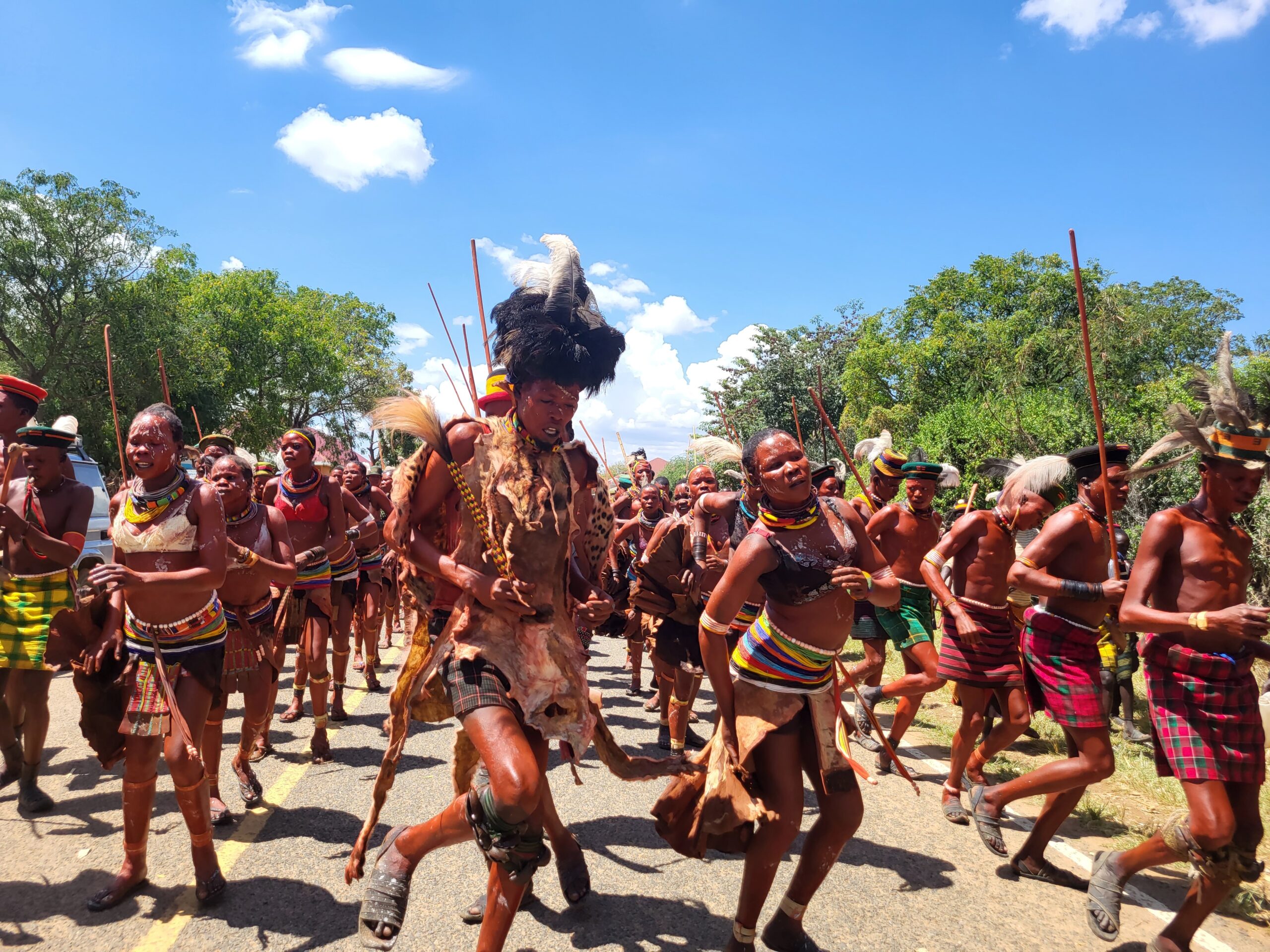
Music and dance form an important part of Karamajong culture in Uganda because they allow communities to celebrate identity, history, and shared experiences. Traditional performances often take place during ceremonies, festivals, and important social gatherings. Through songs and dances, community members pass knowledge from one generation to another while strengthening relationships among families and neighbors.
The Karamajong use traditional instruments, rhythmic movements, and vocal performances to express emotions and tell stories. Many songs highlight themes such as bravery, community unity, livestock, and important events. Furthermore, dances create opportunities for people of different ages to participate and celebrate their heritage together.
Traditional clothing and personal decorations also represent important aspects of Karamajong identity. Many community members use colorful beads, jewelry, and unique designs that reflect cultural pride and social meaning. These artistic expressions demonstrate creativity while preserving connections to ancestral traditions.
Experiencing Karamajong Culture in Uganda as a Visitor
A visit to the Karamoja region provides travelers with an opportunity to experience authentic cultural interactions and learn directly from local communities. Visitors can explore traditional homesteads, participate in cultural activities, listen to local stories, and observe daily routines that reflect the Karamajong way of life.
However, responsible tourism plays an important role in ensuring that cultural visits benefit both visitors and communities. Travelers should approach these experiences with respect, understanding, and genuine interest. Asking permission before taking photographs, supporting local artisans, and listening to community members help create positive connections.
Moreover, cultural tourism can support local development by creating income opportunities for families, guides, and craft producers. When visitors choose community-based experiences, they contribute to preserving cultural knowledge while encouraging sustainable economic opportunities.
Challenges and the Future of Karamajong Heritage
Although Karamajong Culture Uganda remains strong, communities continue to experience challenges that influence traditional lifestyles. Climate change, limited resources, changing economic conditions, and access to services can affect pastoral communities in different ways. As a result, many Karamajong people continue to find a balance between preserving traditions and embracing new opportunities.
Education and community development programs have created new pathways for younger generations. Many young Karamajong people now pursue education, entrepreneurship, and professional careers while maintaining connections with their cultural background. This combination allows traditions to continue evolving without losing their importance.
Furthermore, preserving Karamajong heritage requires collaboration between communities, cultural organizations, government institutions, and responsible travelers. By valuing traditional knowledge and supporting inclusive development, society can help ensure that future generations continue celebrating this unique cultural identity.
Why Karamajong Culture Uganda Matters
Karamajong Culture Uganda offers valuable lessons about resilience, community cooperation, and the relationship between people and their environment. The traditions of the Karamajong people demonstrate how communities can maintain their identity while adapting to changing circumstances.
For travelers seeking meaningful cultural experiences, exploring Karamoja provides more than a simple visit. It creates an opportunity to connect with people, understand different perspectives, and appreciate the diversity that makes Uganda culturally rich. Through respectful engagement, visitors can become part of a shared journey that celebrates heritage and human connection.
Karamajong Culture Uganda represents a powerful example of cultural preservation, community strength, and traditional knowledge. From pastoral lifestyles and cattle traditions to music, dance, and storytelling, every aspect of Karamajong heritage reflects deep connections between people, land, and history.
As Uganda continues to develop, protecting and celebrating Karamajong traditions remains important for future generations. Responsible cultural tourism, education, and community support can help preserve this remarkable heritage while creating meaningful experiences for visitors. Anyone interested in discovering Uganda beyond ordinary attractions can find inspiration and valuable lessons through the rich traditions of the Karamajong people.