African Astronomy Tour: Stargazing in the Dark Skies of East Africa’s Safari Wilderness
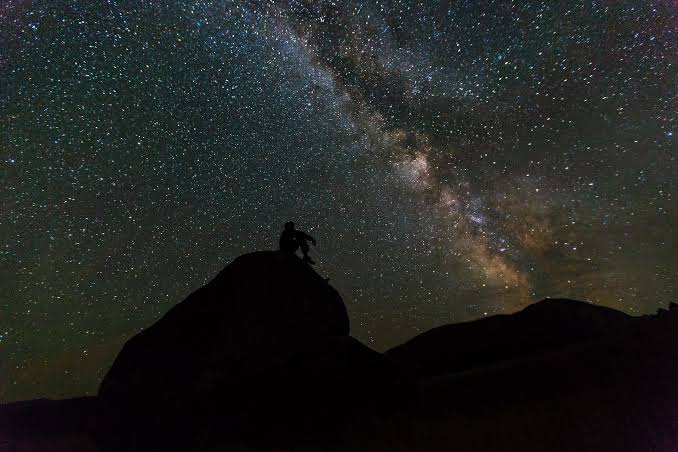
East Africa straddles the equator and gives observers access to both the northern and southern celestial hemispheres simultaneously. The Southern Cross invisible from Europe and North America hangs on the southern horizon. The Magellanic Clouds appear as detached cloud fragments against the dark sky. Scorpius rises high enough to show its full curved tail. The northern sky delivers Orion and Ursa Major at the same time as the southern hemisphere’s signature constellations. Moreover, combine this equatorial advantage with East Africa’s high altitude, exceptional air quality, and complete absence of light pollution across national parks and conservancies the result is the finest accessible stargazing conditions in the world.
What Makes East Africa’s Sky Exceptional
Light pollution the primary destroyer of dark sky quality in populated regions is absent across East Africa’s protected wilderness areas. The nearest urban light sources from a camp in the Maasai Mara conservancies are 200 to 300 kilometres away. The sky background rates 1 to 2 on the Bortle scale of 1 to 9 the same rating as Earth’s most remote high-altitude observatories. The Milky Way at Bortle 1 shows individual cloud structure within the galactic arm. Dark nebulae create visible lanes of obscuration, and naked-eye star clusters too faint to see from any light-polluted location appear clearly. Furthermore, altitude compounds the advantage Kenya’s highlands at 1,500 to 2,000 metres reduce atmospheric column depth by 15 to 20 percent, improving seeing conditions significantly compared to sea-level observations.
Southern Hemisphere Highlights
The Southern Cross is East Africa’s most distinctive southern constellation. Its four main stars form a compact cross pattern useful for navigation the long axis extended 4.5 times its own length beyond the bottom star points south. Centaurus surrounds the cross on three sides, and its two brightest stars serve as pointers to the cross’s orientation. Alpha Centauri is the nearest star system to earth at 4.37 light years. It appears to the naked eye as the third-brightest star in the sky. Additionally, the Eta Carinae Nebula one of the most massive nebulae in the galaxy sits in the southern Milky Way in excellent binocular condition from East Africa’s latitudes.
Guided Astronomy Sessions at Safari Camps
Several East Africa safari camps now offer structured astronomy sessions as evening activities. A guide with basic astronomy training identifies constellations, explains their mythology and navigation use, and locates planets with binoculars. The guide operates a simple telescope to show the moon’s craters, Saturn’s rings, Jupiter’s moons, and star clusters in the Pleiades and Orion. These sessions typically run 45 to 90 minutes after dinner. Furthermore, the astronomy session combined with a star bed overnight falling asleep under the sky the guide just explained creates a complete experience more immersive than any observatory visit.
Plan Your Safari
Kenya’s Laikipia Plateau, at 1,700 to 2,000 metres altitude, provides the finest astronomy conditions in East Africa. Tanzania’s Ngorongoro Crater rim area offers similar altitude advantage. Amboseli and the Maasai Mara conservancies still produce exceptional dark sky quality even at lower altitude. The best months for Milky Way core visibility are March through September. June and July position the galactic core directly overhead from equatorial latitudes, producing the most spectacular Milky Way views of the year.
African Wild Trekkers places guests in East Africa camps with the best dark sky conditions and evening astronomy programmes. Contact us to plan a safari combining the finest wildlife viewing with the world’s most extraordinary accessible dark sky experience.