Firefly Season Africa: When and Where to See Bioluminescent Insects in East Africa
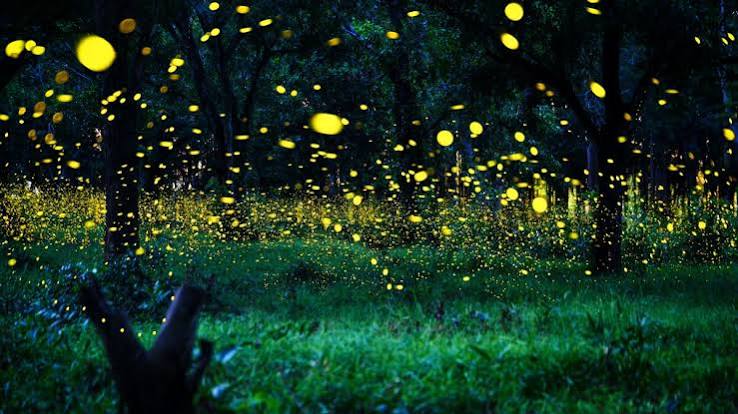
Fireflies transform East Africa’s night bush into a living light show. Hundreds of flying beetles produce synchronised cold light pulses from grass stems, tree canopy, and papyrus beds. Each pulse follows a species-specific pattern that allows males to locate females in the darkness. A firefly meadow at peak season, seen from a hillside or boat at night, produces a field of drifting, pulsing green-gold light unlike any other wildlife encounter in East Africa. The experience is quiet and unhurried. It is meditative in its own way, watching hundreds of small lights advertising for mates while the rest of the night’s wildlife operates around them.
What Are Fireflies?
Fireflies are beetles of the family Lampyridae. The bioluminescent light comes from a chemical reaction in the abdomen luciferin oxidises in the presence of the enzyme luciferase to produce light without significant heat. This cold light efficiency reaches nearly 100 percent. Almost all the chemical energy converts to light rather than heat. By comparison, an incandescent bulb achieves only 10 percent light efficiency. The flash pattern is species-specific. Males fly and flash. Females rest on vegetation and respond with their own matching pattern. Different species in the same habitat use different flash intervals and colours to maintain species isolation in the mixed-species assemblages of productive habitats.
When Fireflies Appear in East Africa
Fireflies reach peak activity during and immediately after the rainy seasons. The long rains run from March to May, and the short rains run from October to December. Larval fireflies develop in moist soil and leaf litter over several months. Adult emergence correlates with the period of peak soil moisture. As a result, peak firefly nights in Uganda occur from April through June and from November through January. Kenya’s highland areas and coastal forest margins produce firefly activity across these same wet-season periods. Additionally, the onset of the dry season reduces adult populations rapidly as soil moisture drops.
Best East Africa Locations
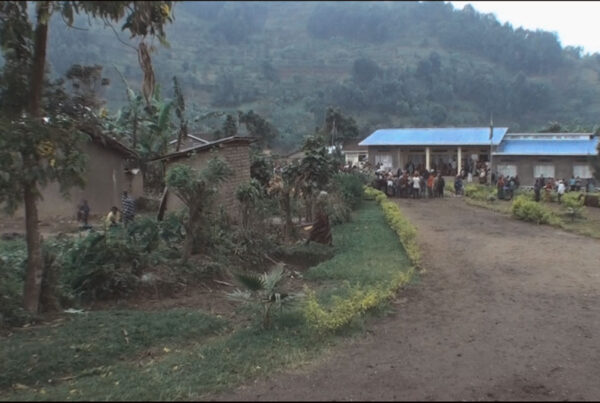
Uganda’s wetland margins produce the most impressive firefly displays in East Africa. The papyrus beds along the Kazinga Channel, the lake margins around Lake Bunyonyi, and the forest edges of Bwindi all produce abundant firefly activity during the rainy season months. Kenya’s Aberdare forest margins, highland tea-growing areas near Kericho, and coastal forest zones around Arabuko Sokoke generate firefly displays visible from lodge gardens in April and November. Tanzania’s Usambaras and the Ngorongoro highlands provide highland-altitude firefly activity in the wet season months.
The viewing method matters as much as the location. A position on a hillside or elevated bank overlooking a river valley, papyrus swamp, or forest edge allows a broad view of the full display. Furthermore, night drives through forest margins in firefly season produce spontaneous displays visible in the headlights. Stopping and extinguishing the lights reveals the full ambient display around the stationary vehicle.
Plan Your Safari
Including firefly viewing requires deliberate timing and location selection. Uganda’s rainy season camp stays near Lake Bunyonyi or the Kazinga Channel margin provide the best chance of peak firefly nights. Requesting evening boat trips on the Kazinga Channel in rainy season months adds this experience to a Uganda circuit naturally. Kenya’s highland camp stays in April and November allow evening walks along forest edges where firefly activity peaks before the dry season onset.
African Wild Trekkers designs Uganda and Kenya safari itineraries timed to include firefly season viewing at the best locations. Contact us to plan a safari that reveals East Africa’s most unusual and beautiful natural light displays.